About
Restoration
The record of Ceylon is written on paper, and this island is hard on paper.
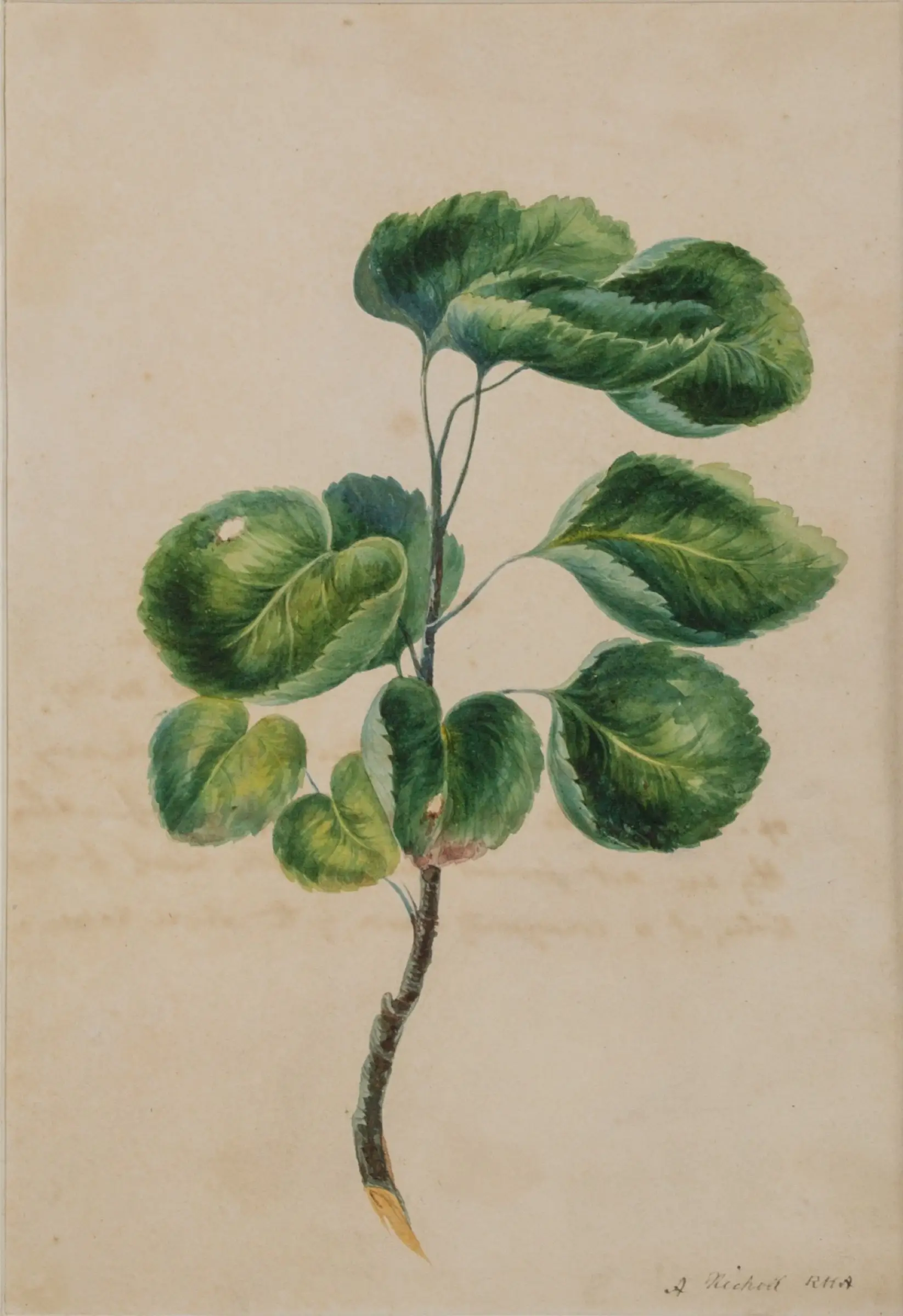
A watercolour made in Ceylon in 1820 has spent two centuries in the wrong climate. The heat and humidity of the island work at it from the first day: moisture settles into the fibres and raises the brown bloom of foxing and, in time, the grey of mould; silverfish and booklice graze the surface for the starch in the paper and the paste behind it; and the paper carries its own undoing within, the acids left by its making, which turn it slowly brittle and tan. Left to itself it browns, cockles, and at last breaks along the fold. The topographical record of the island, its early maps, its prints and its drawings, rests on paper as fragile as this.
Malaka works closely with a conservator to save them, and the labour is patient and largely invisible. A drawing is cleaned of surface grime and old repairs, then washed in a buffered bath that draws out the acid and lifts the staining, so the paper comes back to something near its own strength and colour. Tears are closed with Japanese tissue and wheat-starch paste, chosen because they are strong, nearly weightless and reversible: re-wetted, every mend releases, so nothing done to the sheet is done for good. A damaging old backing, a Victorian mount whose board is more acidic than the drawing it carries, is lifted away; the flattened work is rehoused in imported acid-free board and kept at a humidity low enough that neither mould nor insect finds a purchase.
The governing rule is restraint. A conservator does the least the work needs and no more, and leaves the honest marks of age rather than inventing a smoothness the paper never had; the aim is to stabilise a thing, not to counterfeit a new one. That restraint is the whole of it. A watercolour that would have been lost to the next monsoon is made sound enough to be shown and studied again, and the record it belongs to survives another generation. To bring a work back is not to make it look untouched. It is to buy it another hundred years.
This care extends beyond one collection. If you hold such a work, a drawing, a print, a map or an early painting that the climate has begun to take, it can be brought back. Malaka can arrange its restoration, and is glad to hear from anyone with a piece that needs it.