Classical
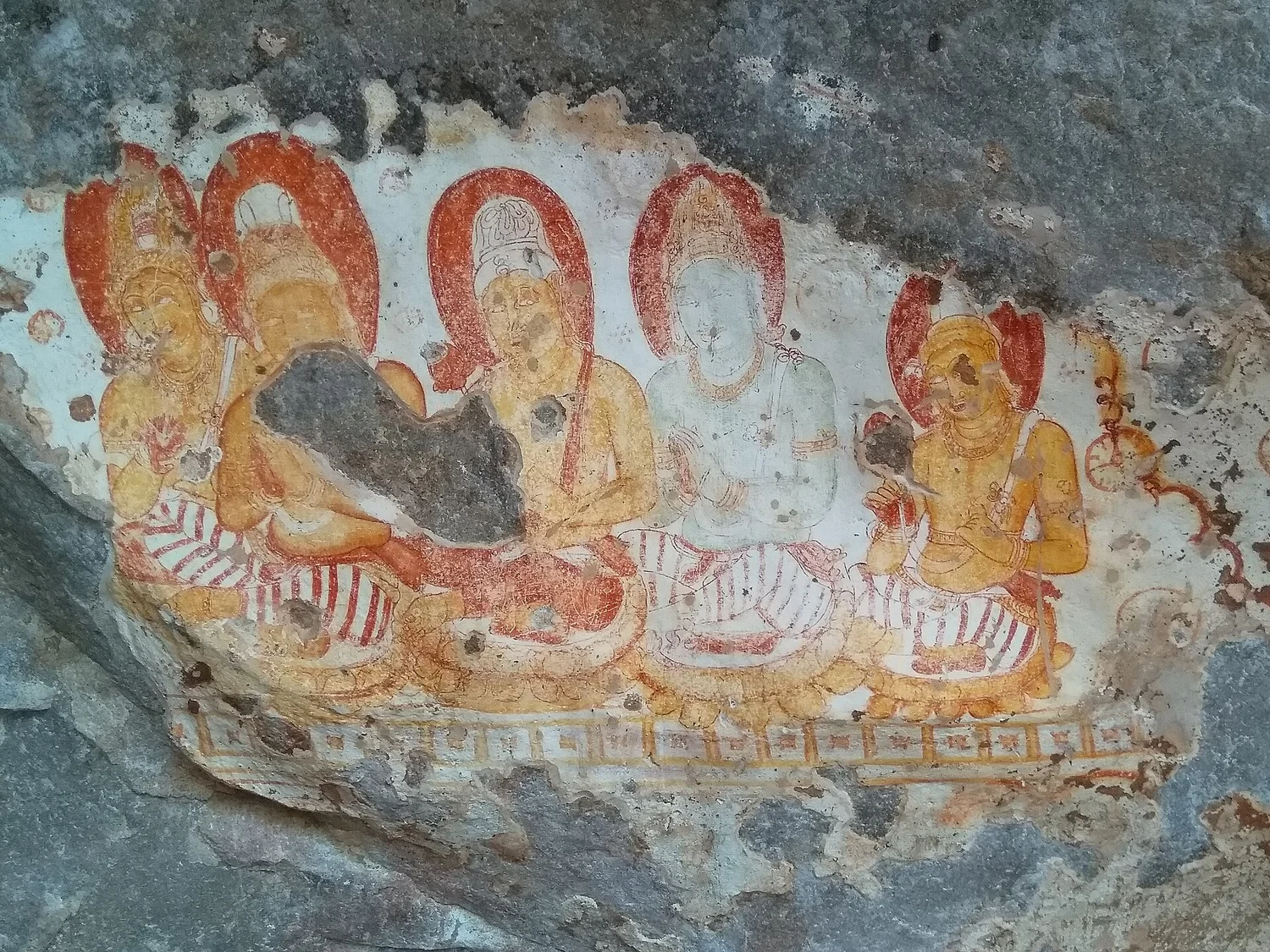
The oldest paintings on the island, kept on the living rock that has held them for centuries, from the fifth-century painters of Sigiriya to the shrine walls of Anuradhapura and Polonnaruwa. It is the oldest surviving painting in the country, and among the oldest in South Asia. The hands that made it kept no names; the work is known instead by its places, and it is under those places that it is gathered here.
“Life is short, art is long.”
Hippocrates
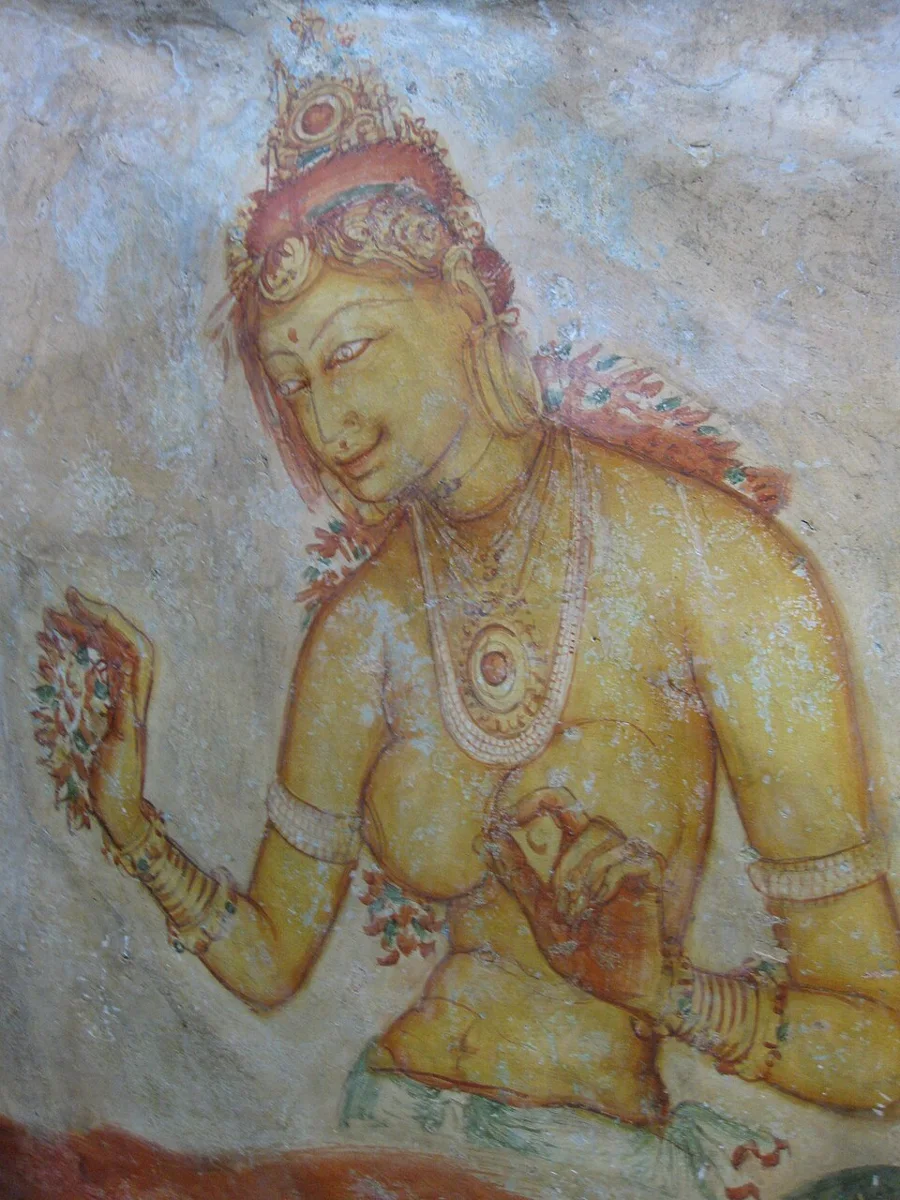 ClassicalIntroduction to this period
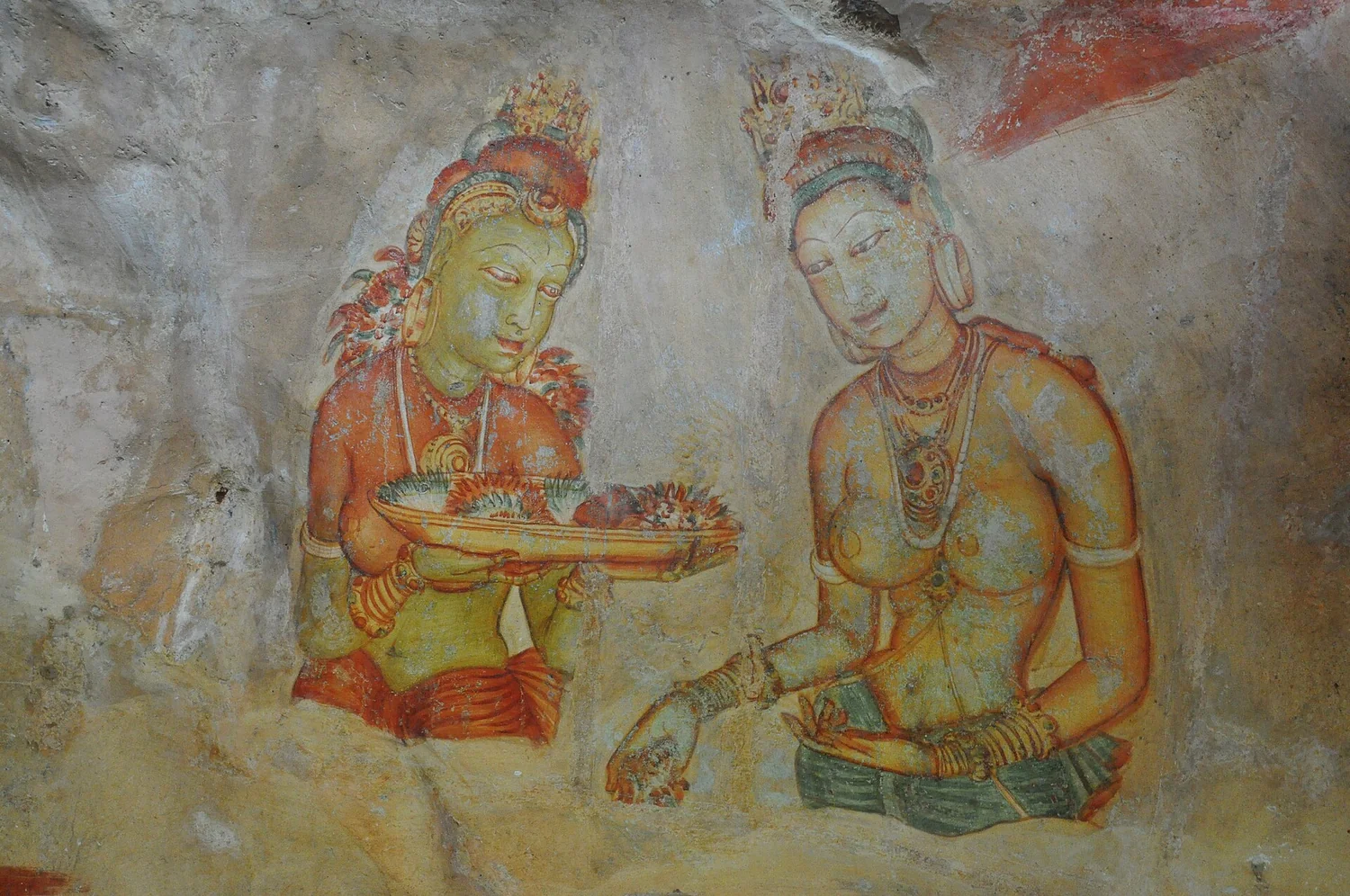 Sigiriya5th century
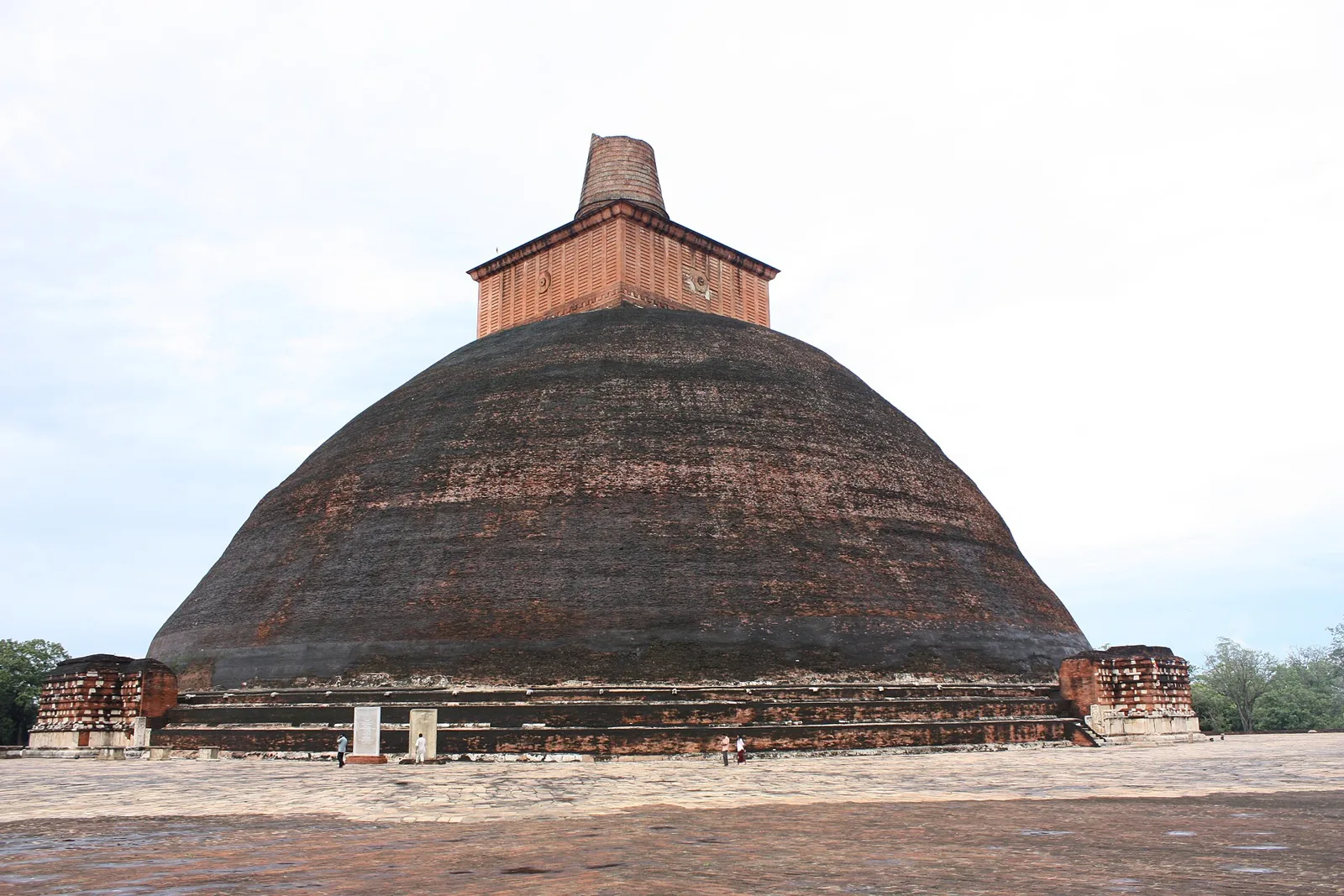 Anuradhapura4th century BCE – 11th century CE
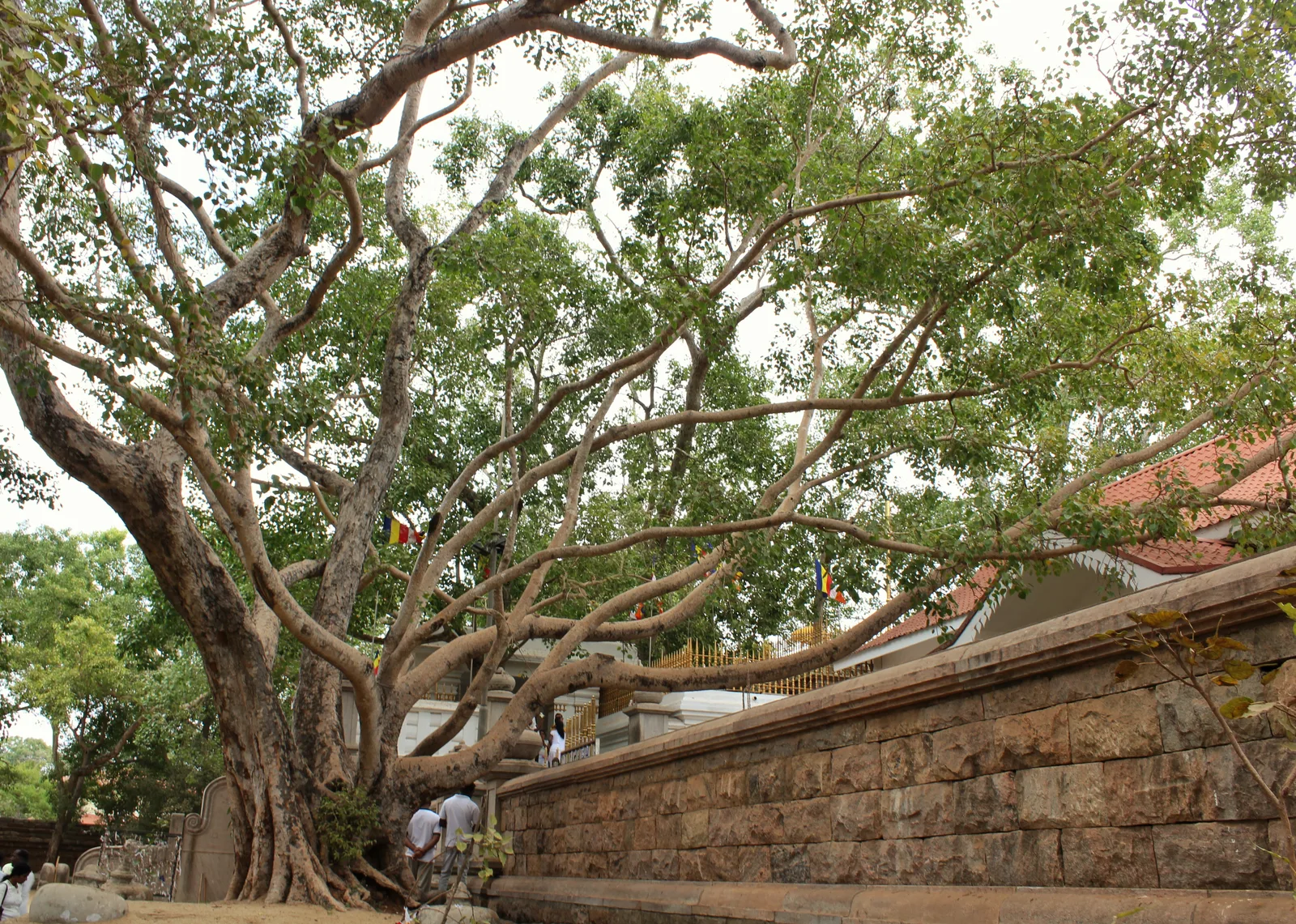 Sri Maha Bodhi3rd century BCE
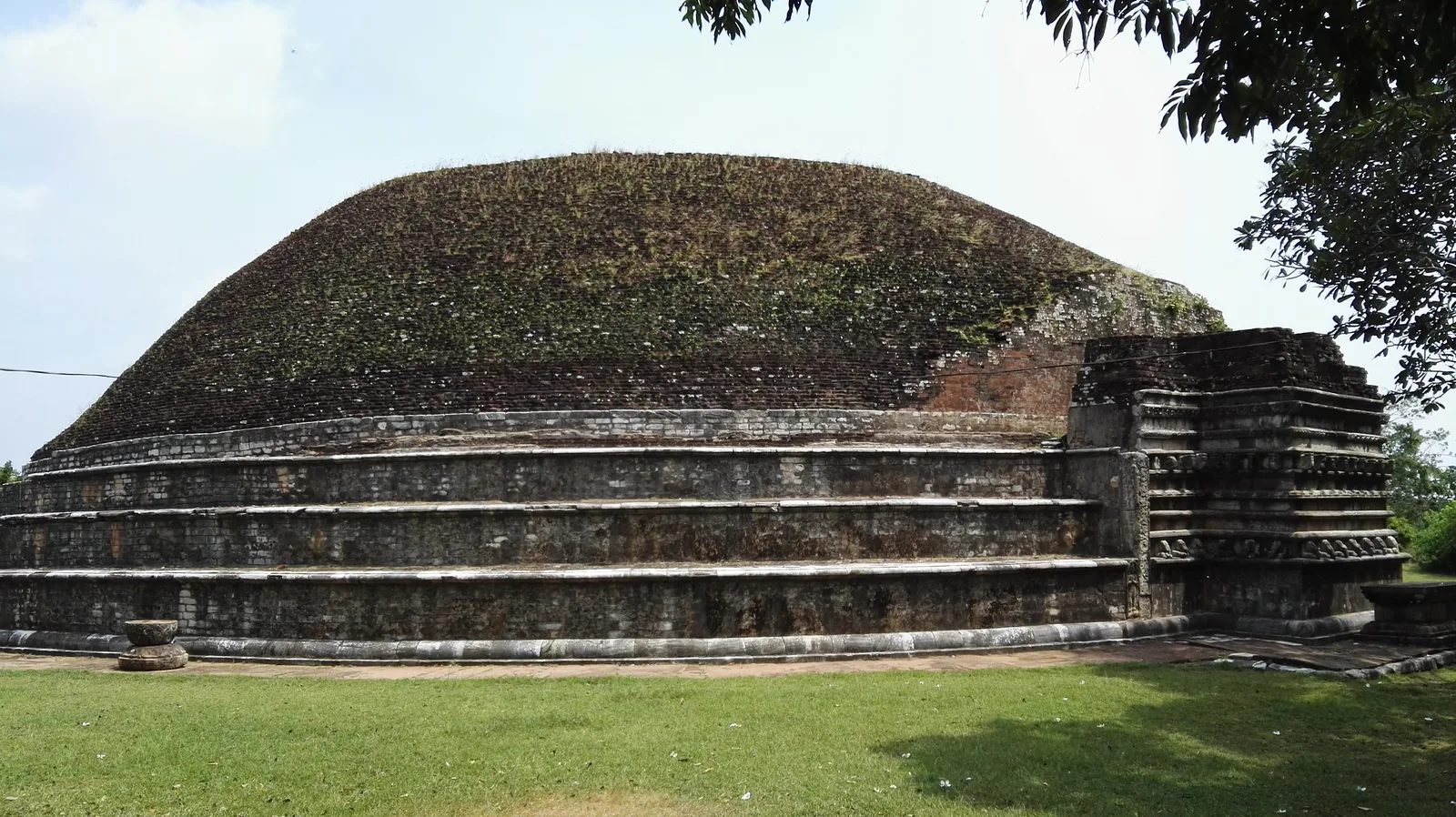 Mihintale3rd century BCE onward
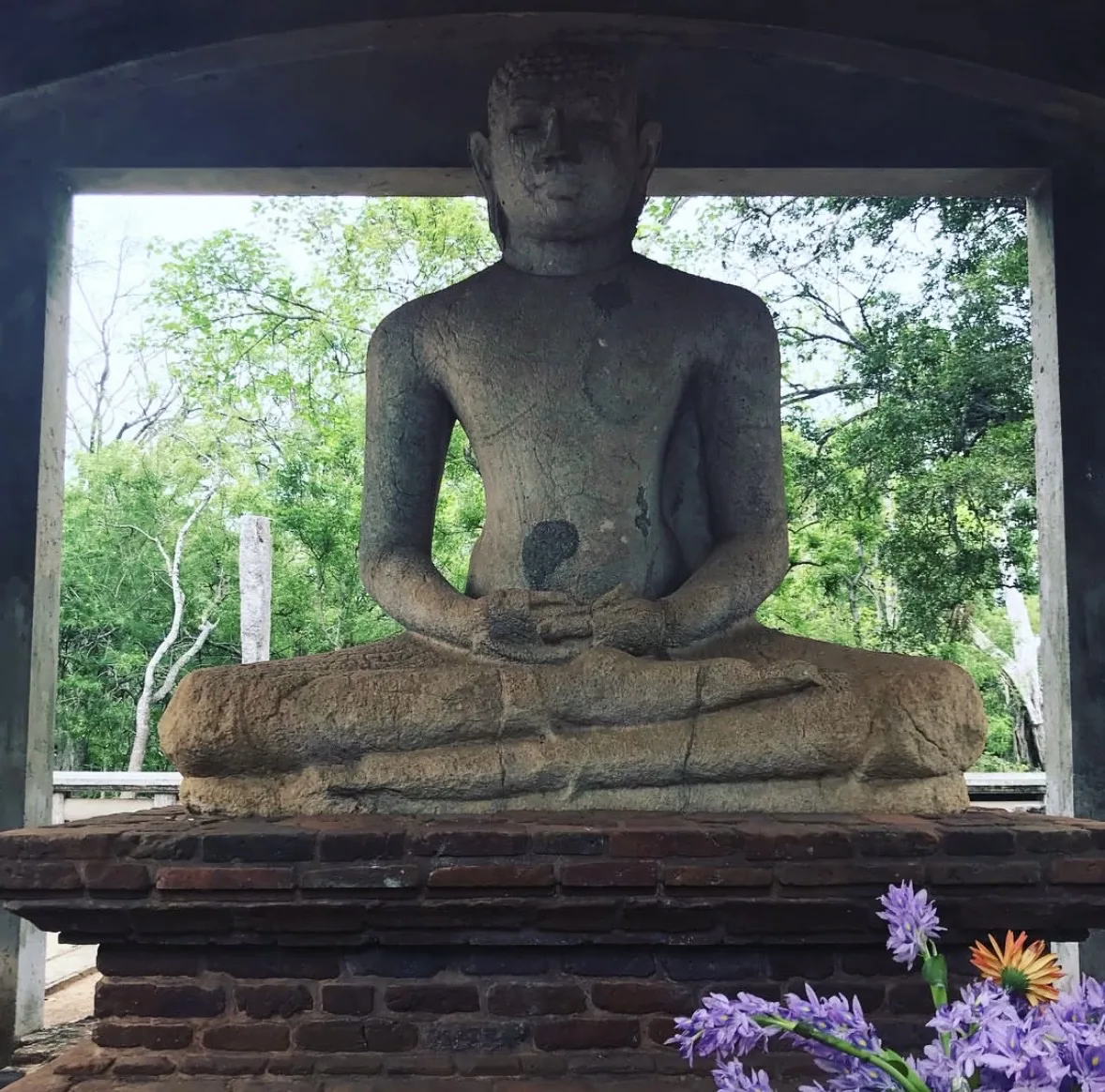 The Samadhi Buddhac. 3rd–4th century
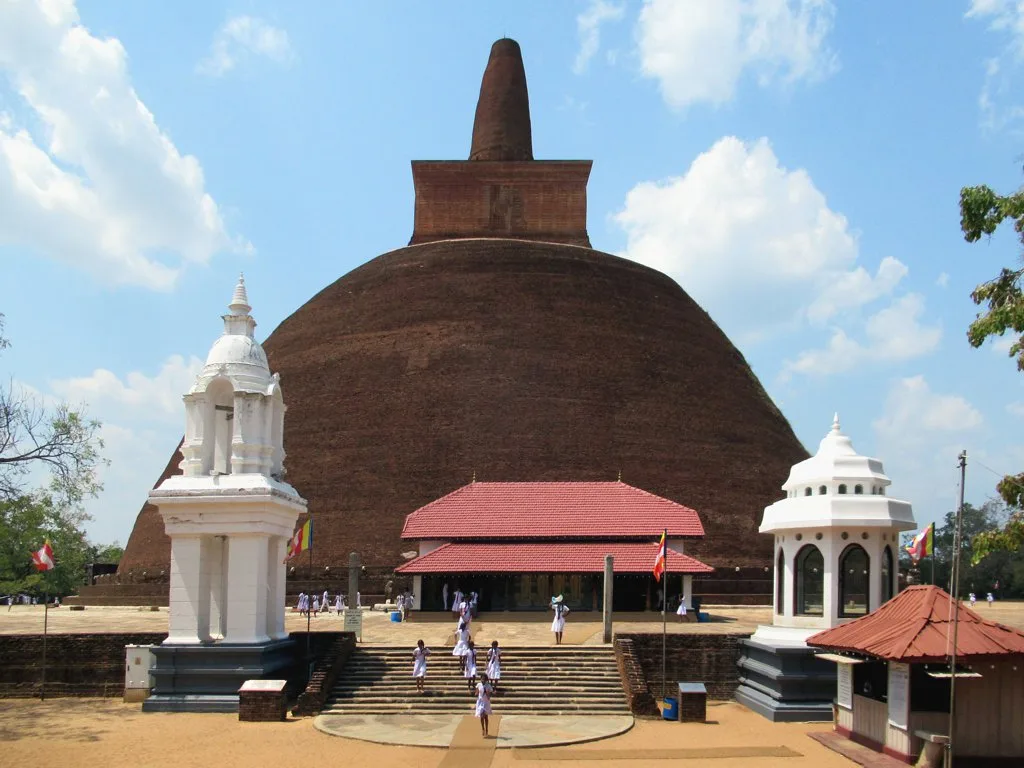 Abhayagiri1st century BCE onward
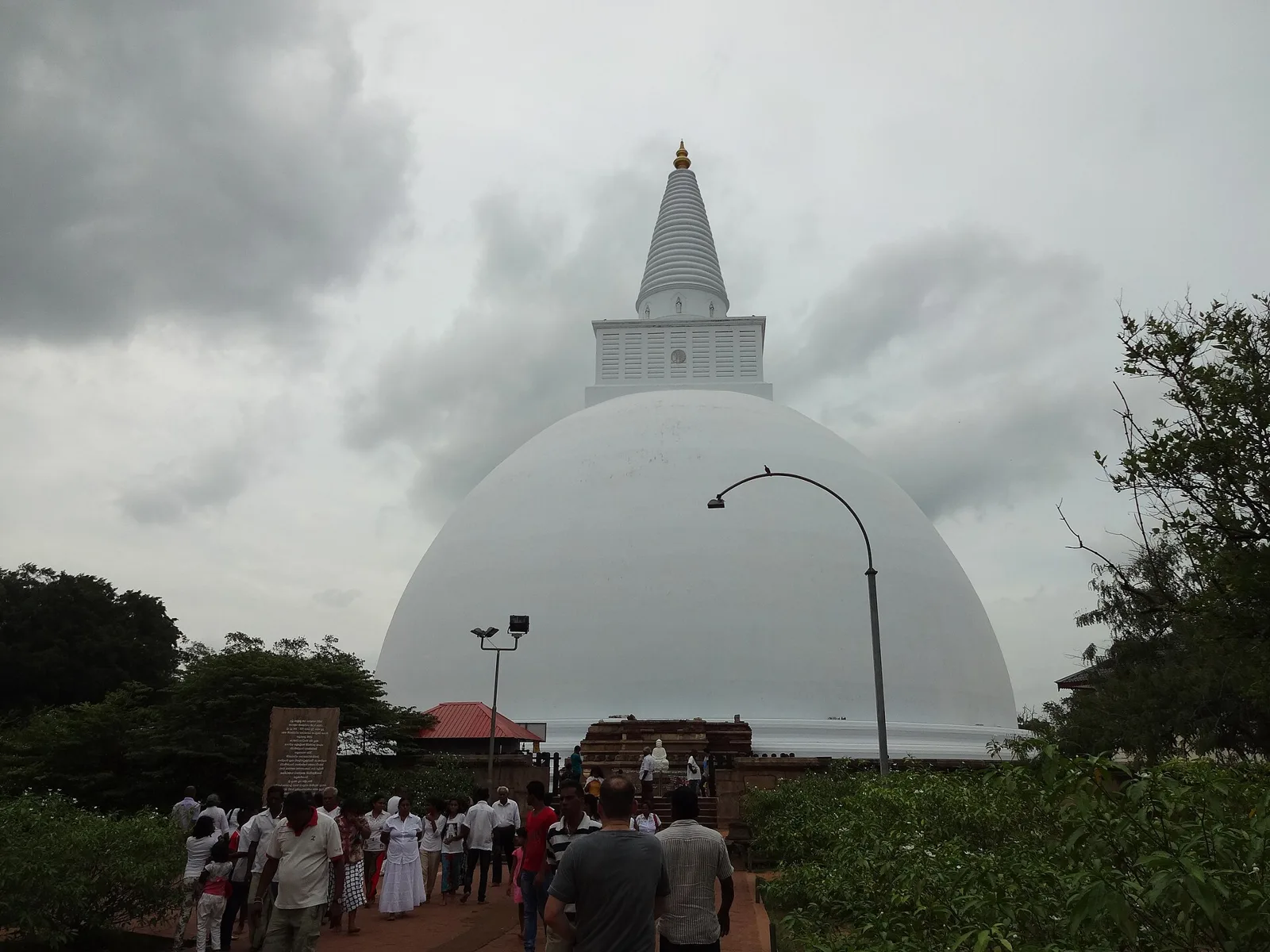 Mirisavetiya2nd century BCE
- The Toluvila Buddhac. 4th century
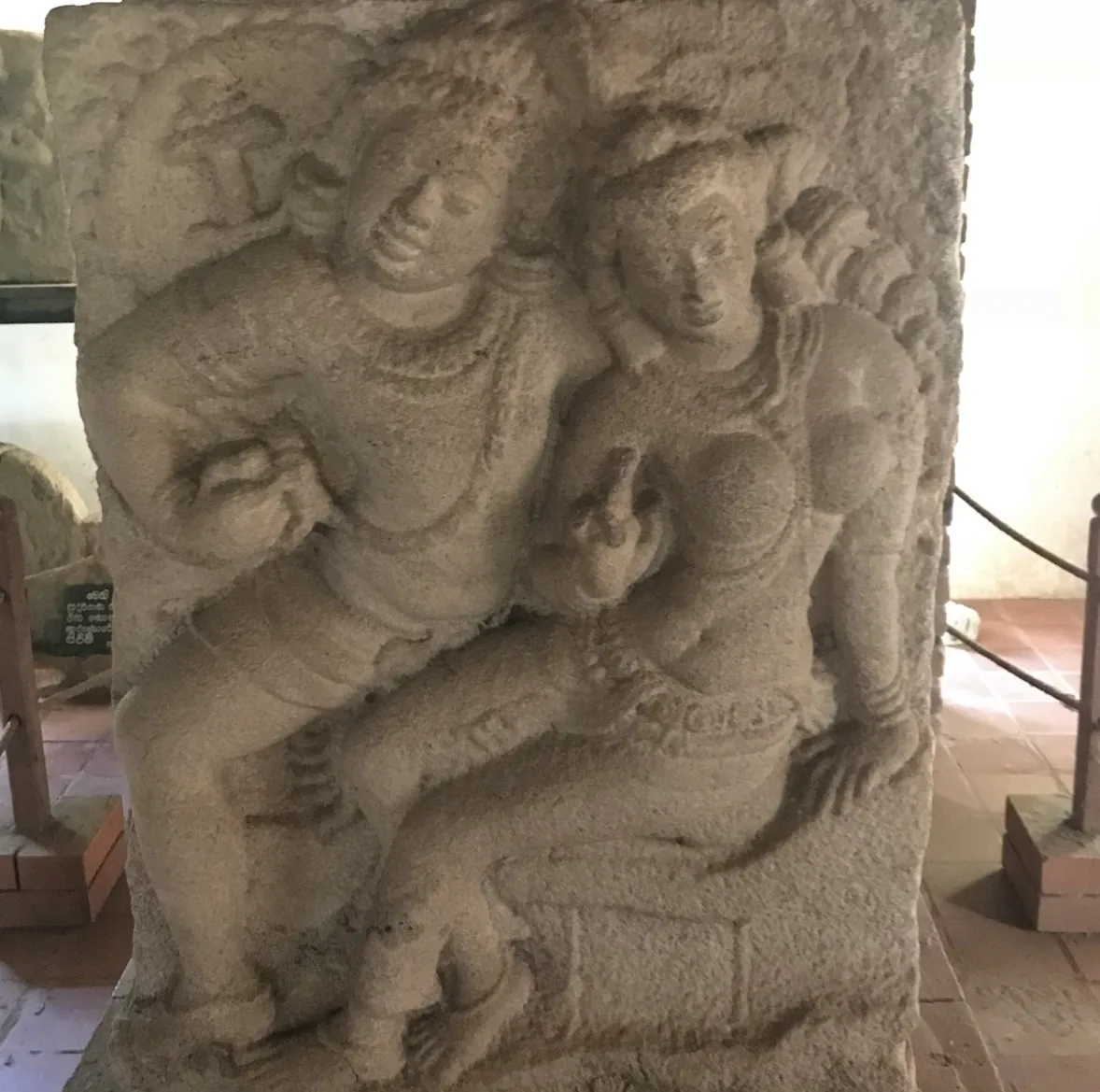 Isurumuniya5th–8th century
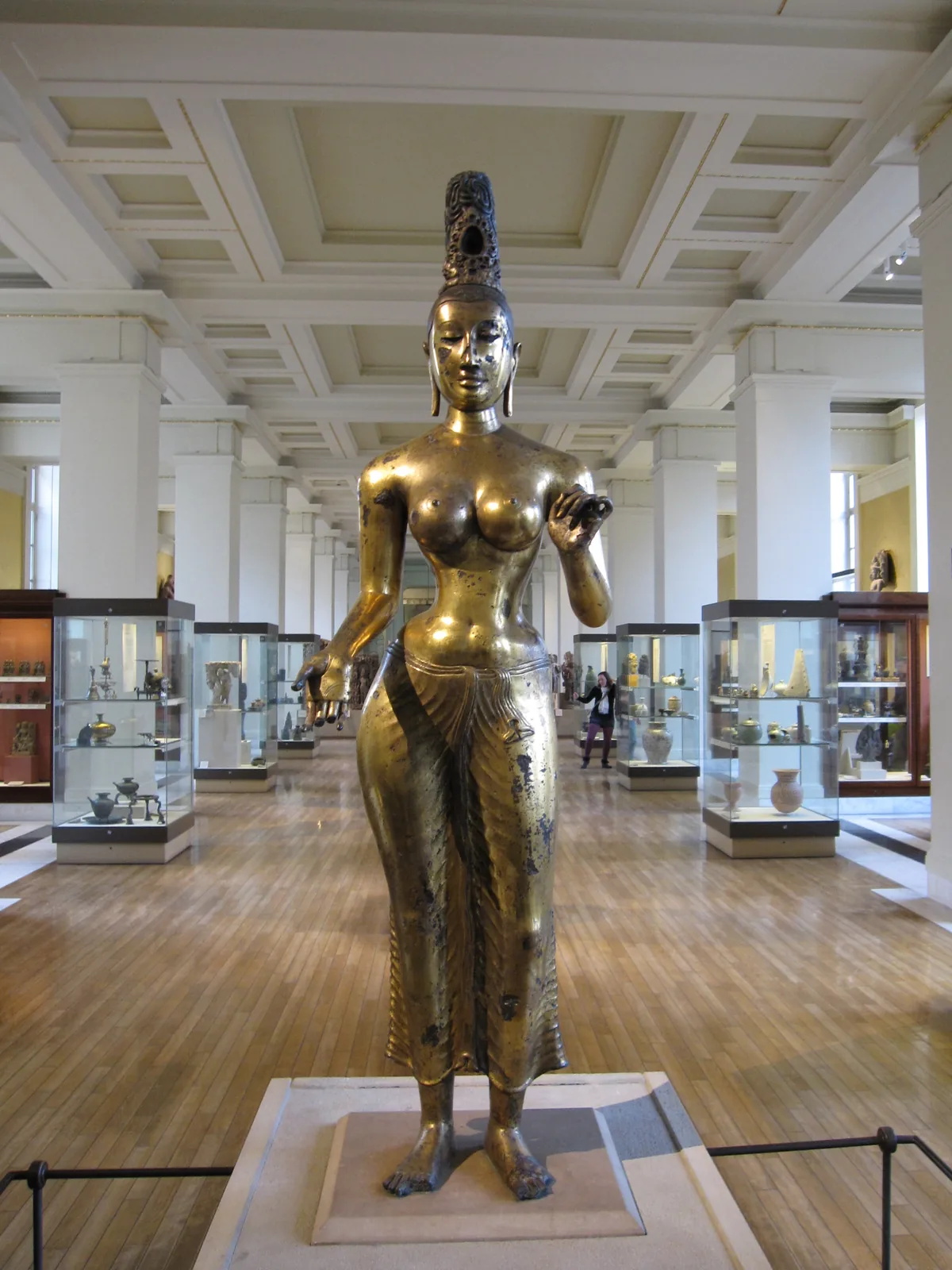 The Tara Bronzec. 8th century
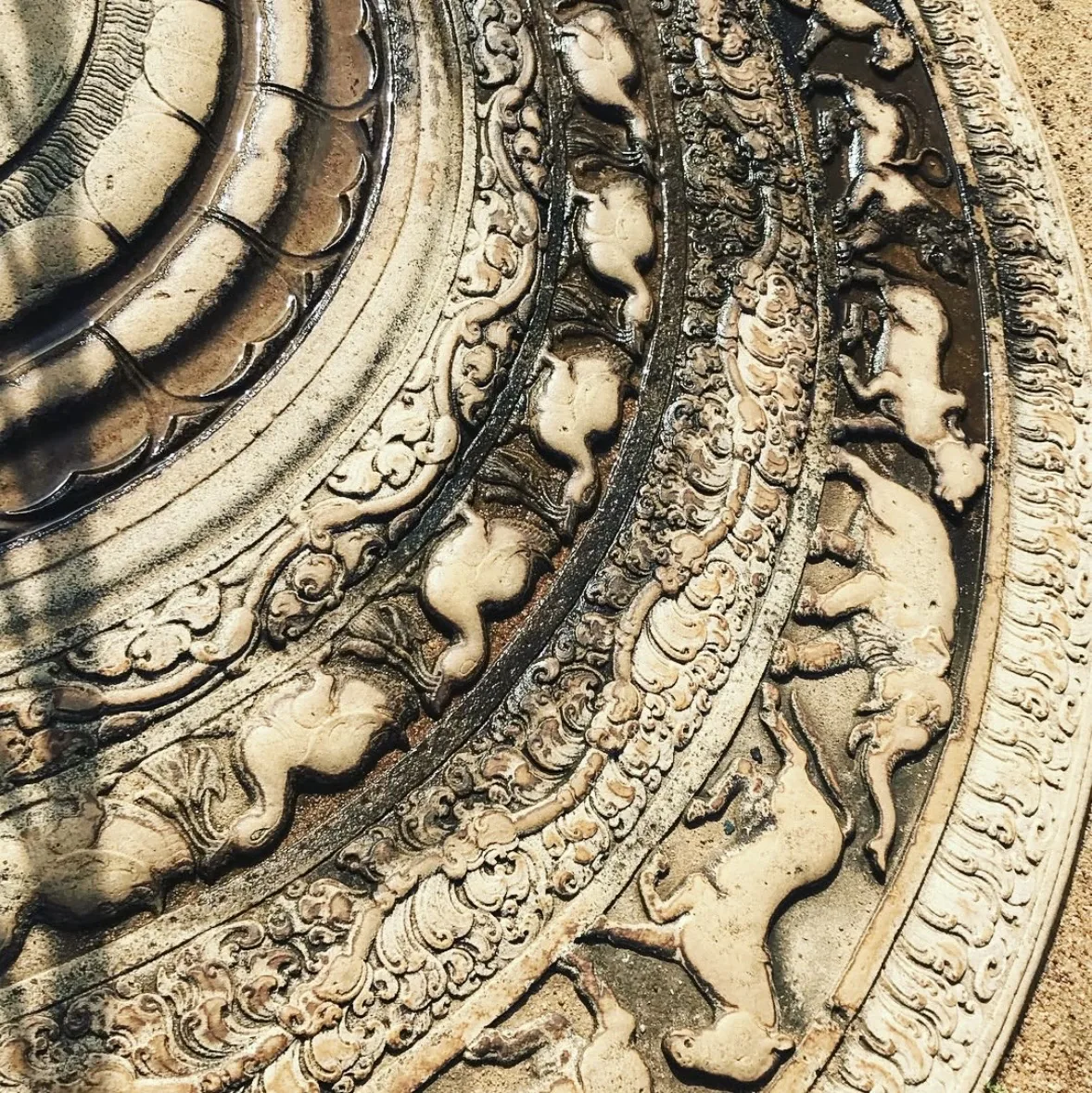 The Moonstone8th–10th century
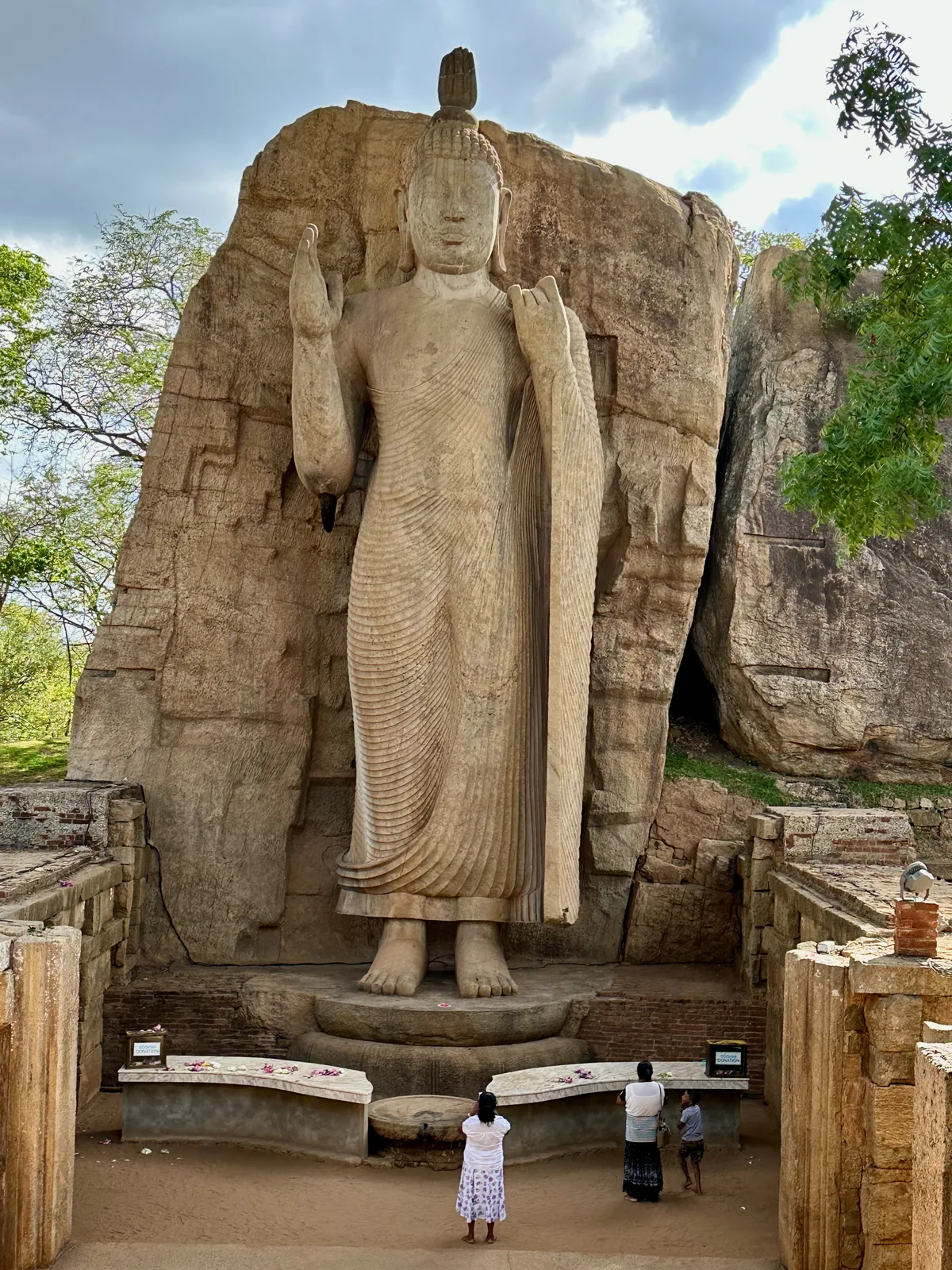 The Aukana Buddha5th or 8th century
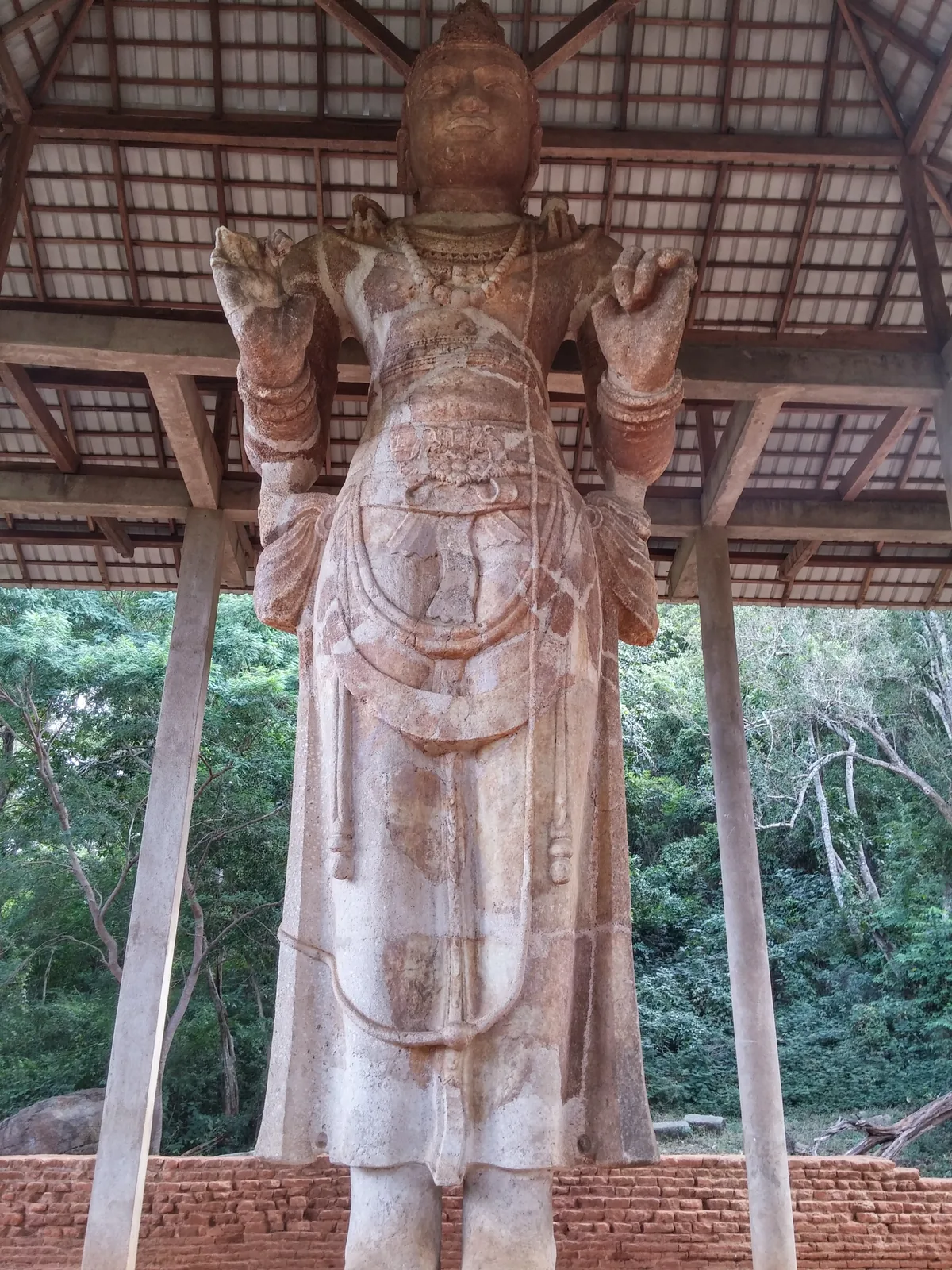 Maligawila and Dambegoda7th century
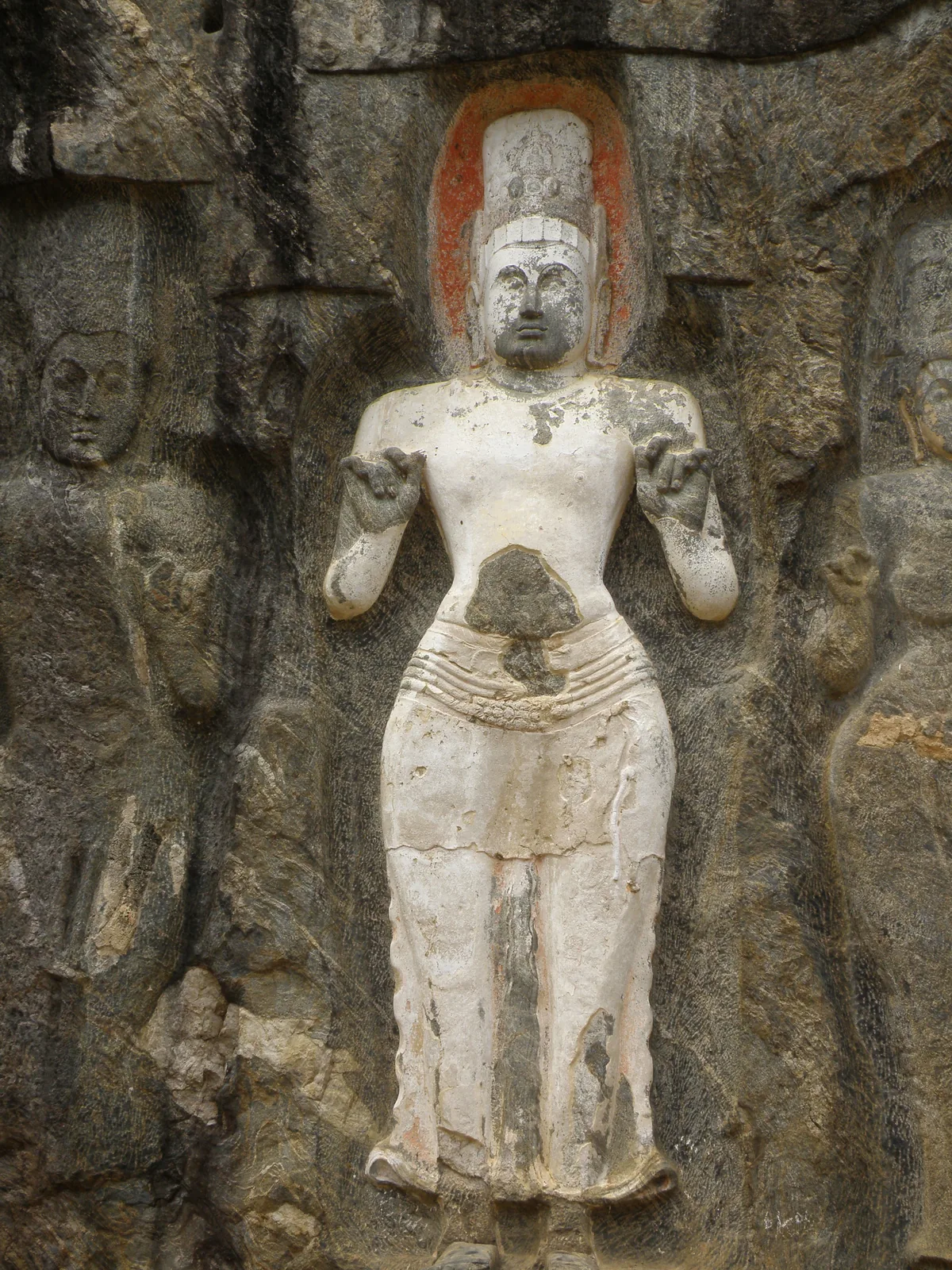 Buduruwagalalate Anuradhapura period
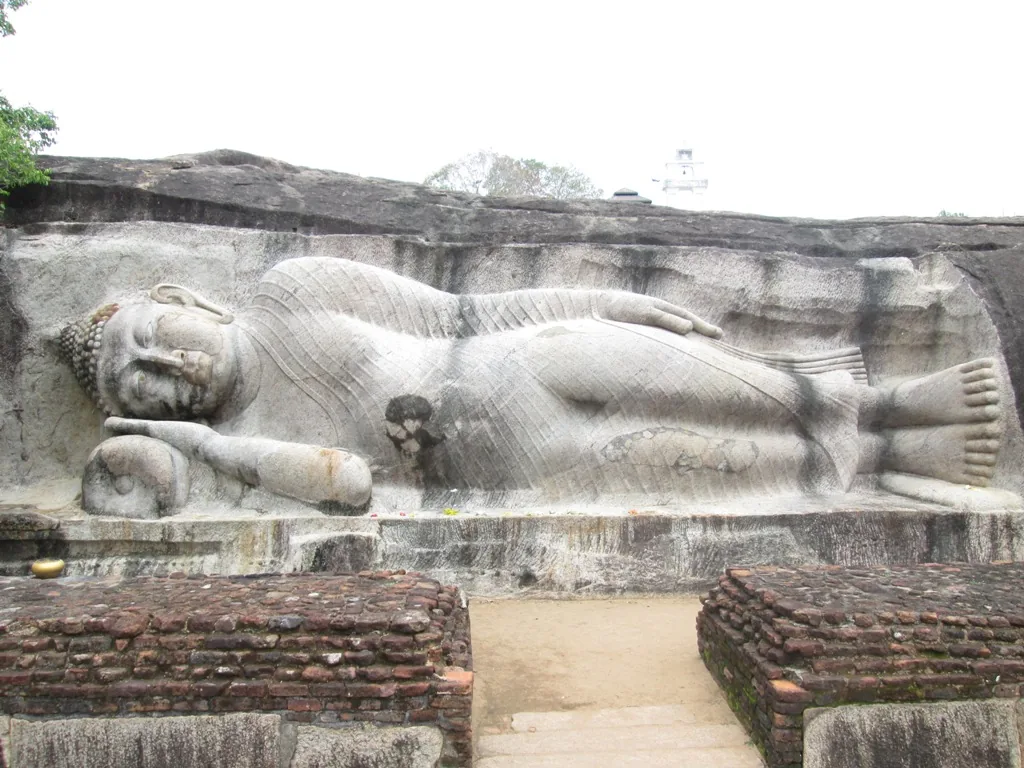 Tantirimalelate Anuradhapura period
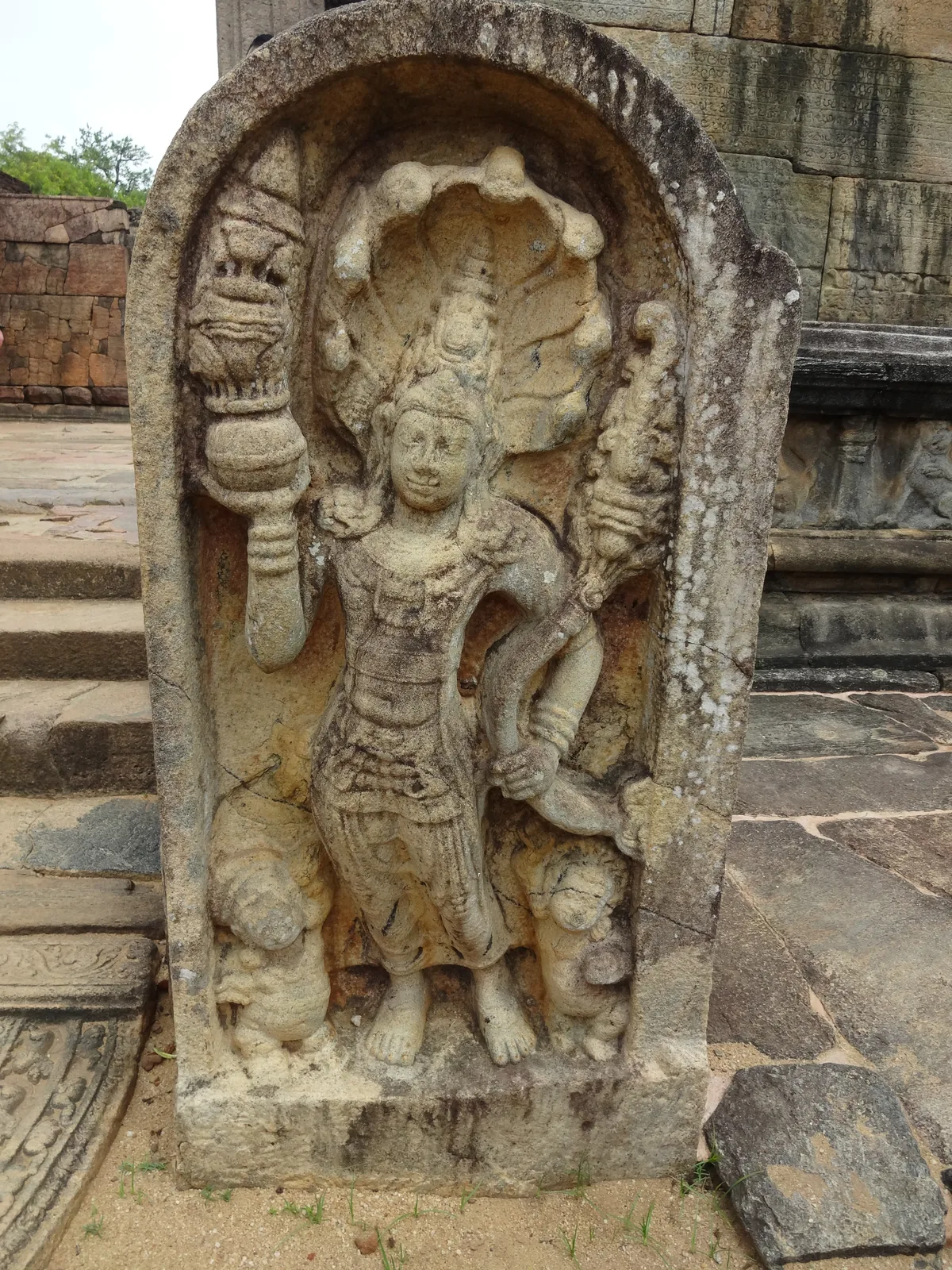
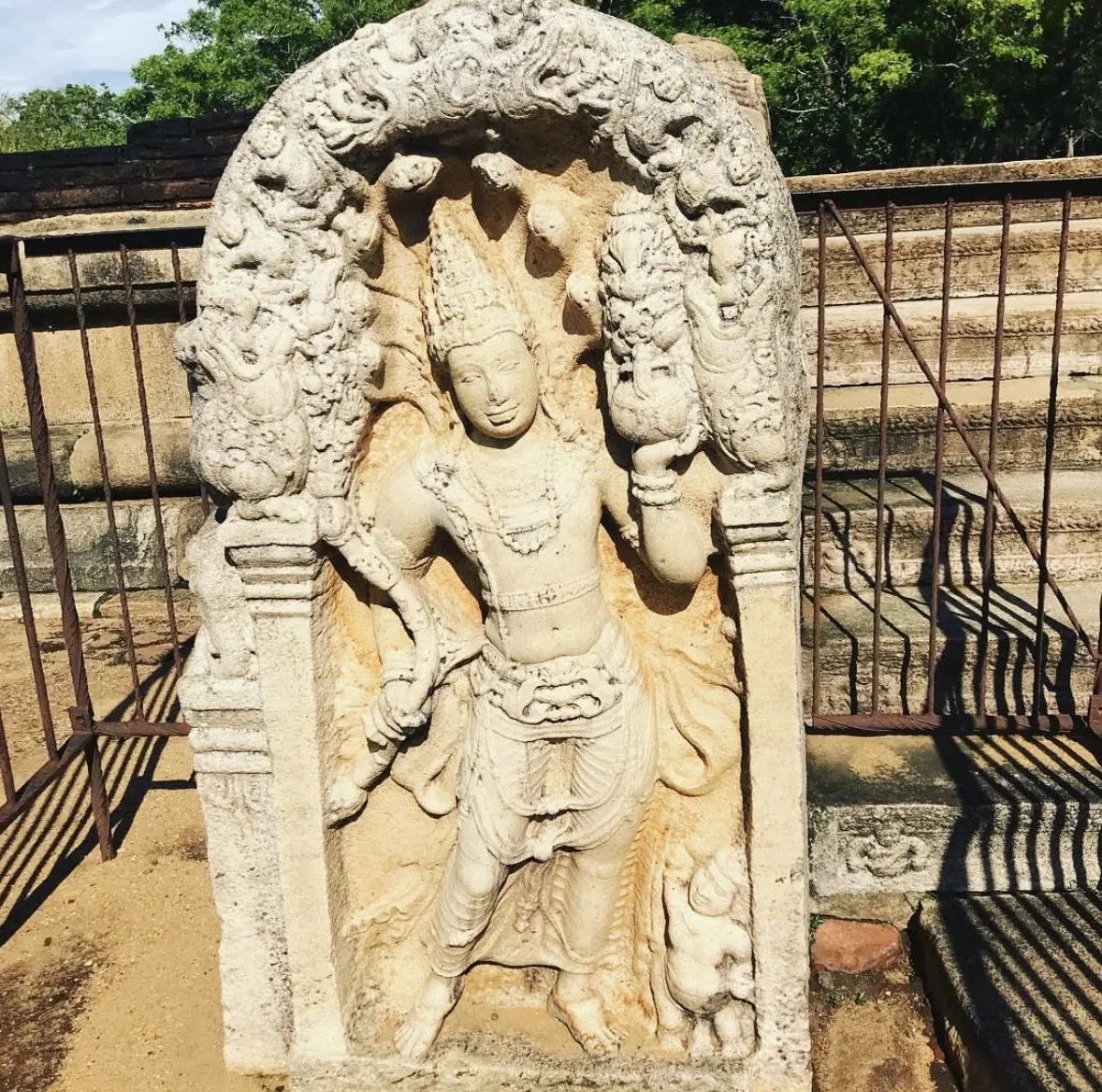 The Guardstone8th century
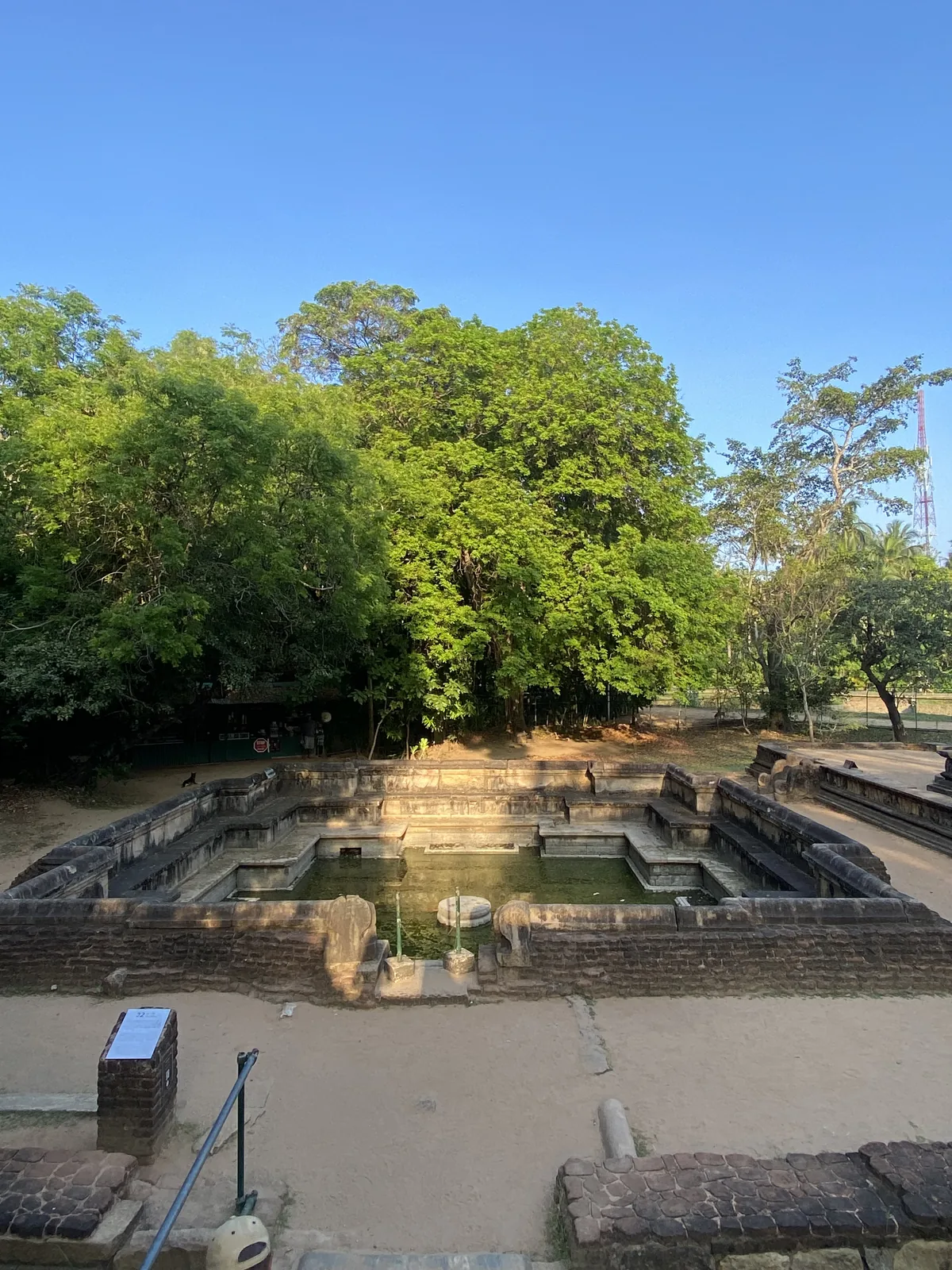 Kuttam Pokuna6th–9th century
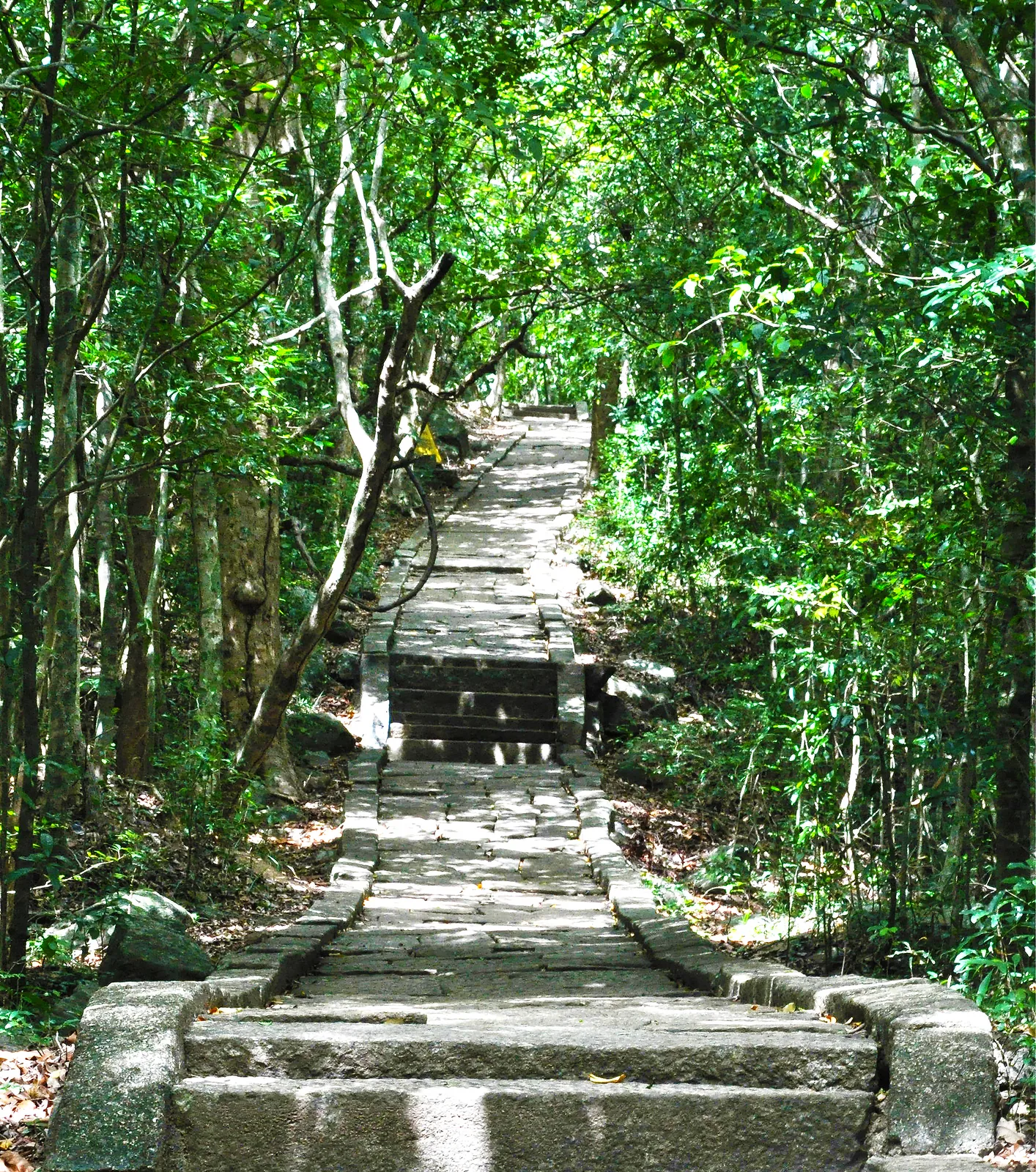 The forest monasteries3rd century BCE – 10th century CE
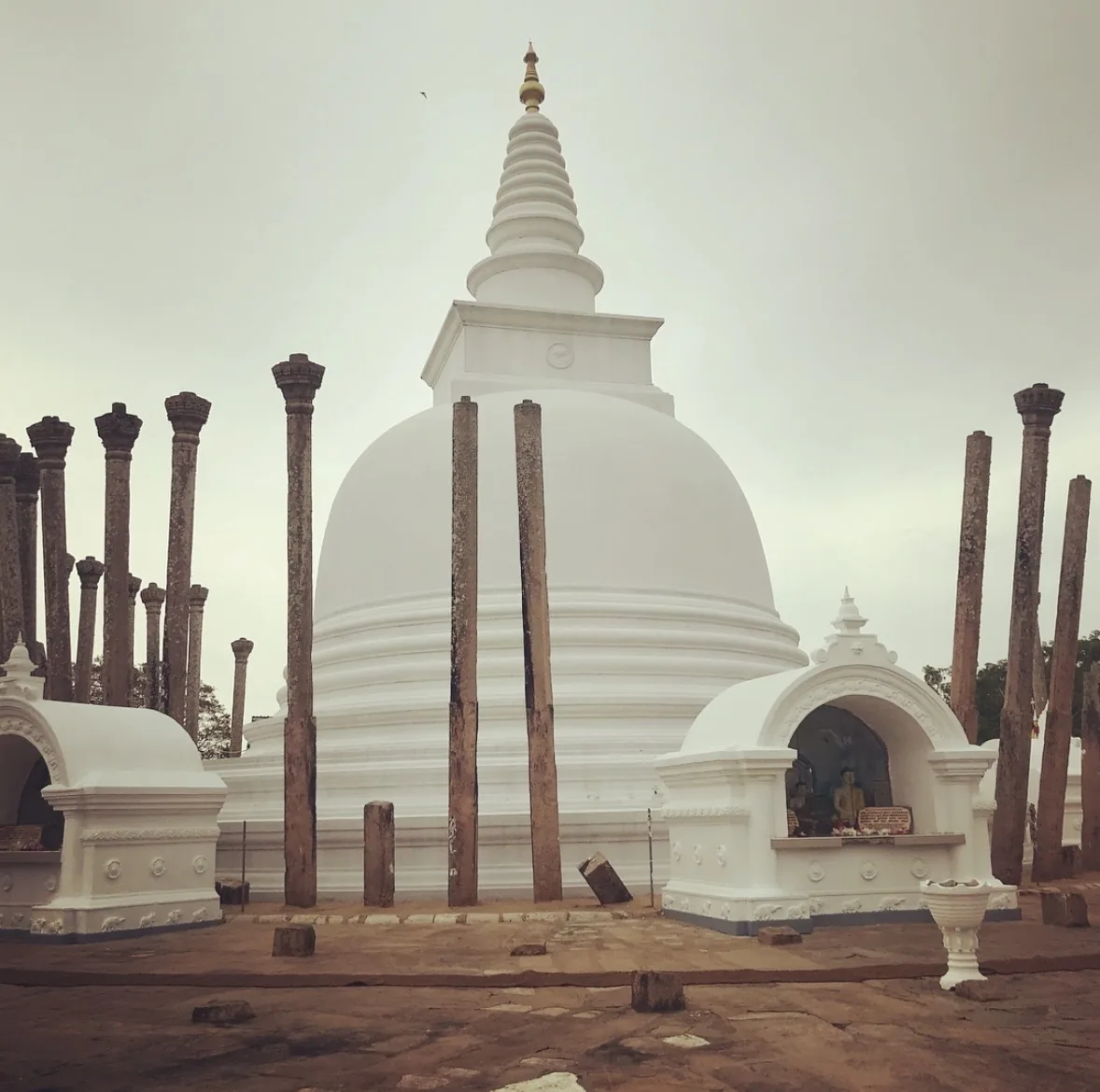 Thuparama3rd century BCE
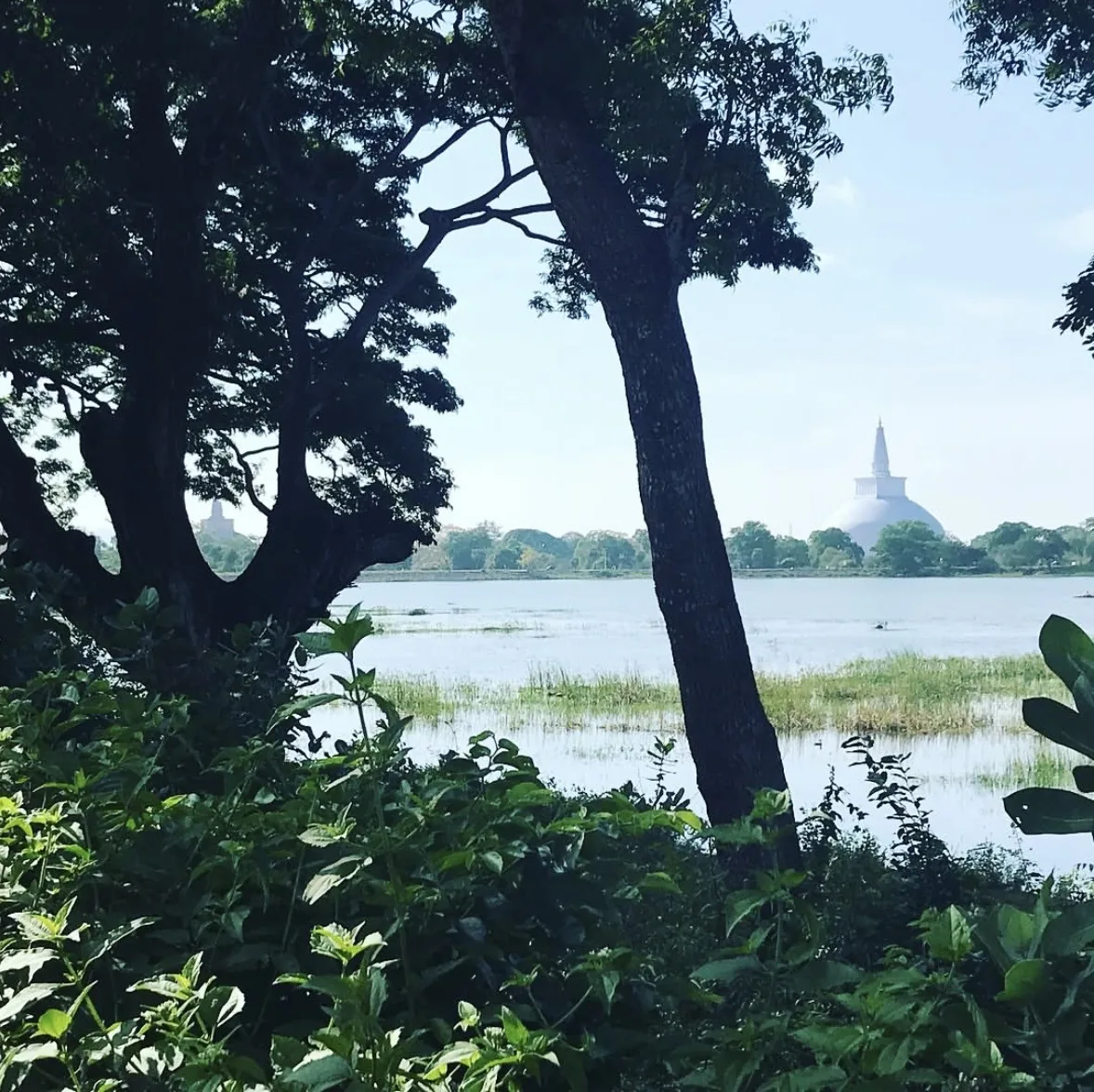 Ruwanwelisaya2nd century BCE
 Lovamahapaya2nd century BCE
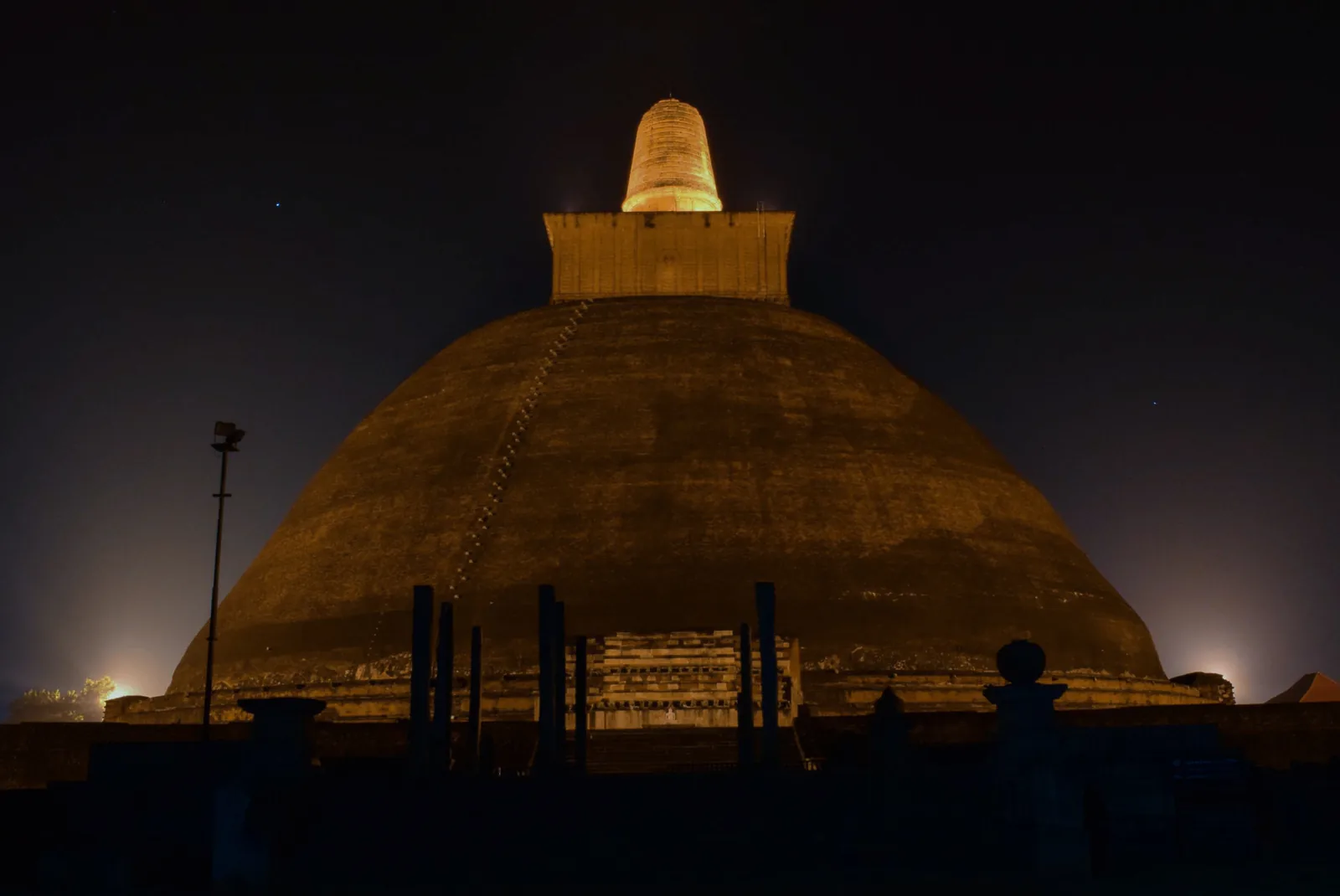 Jetavanaramaya3rd century CE
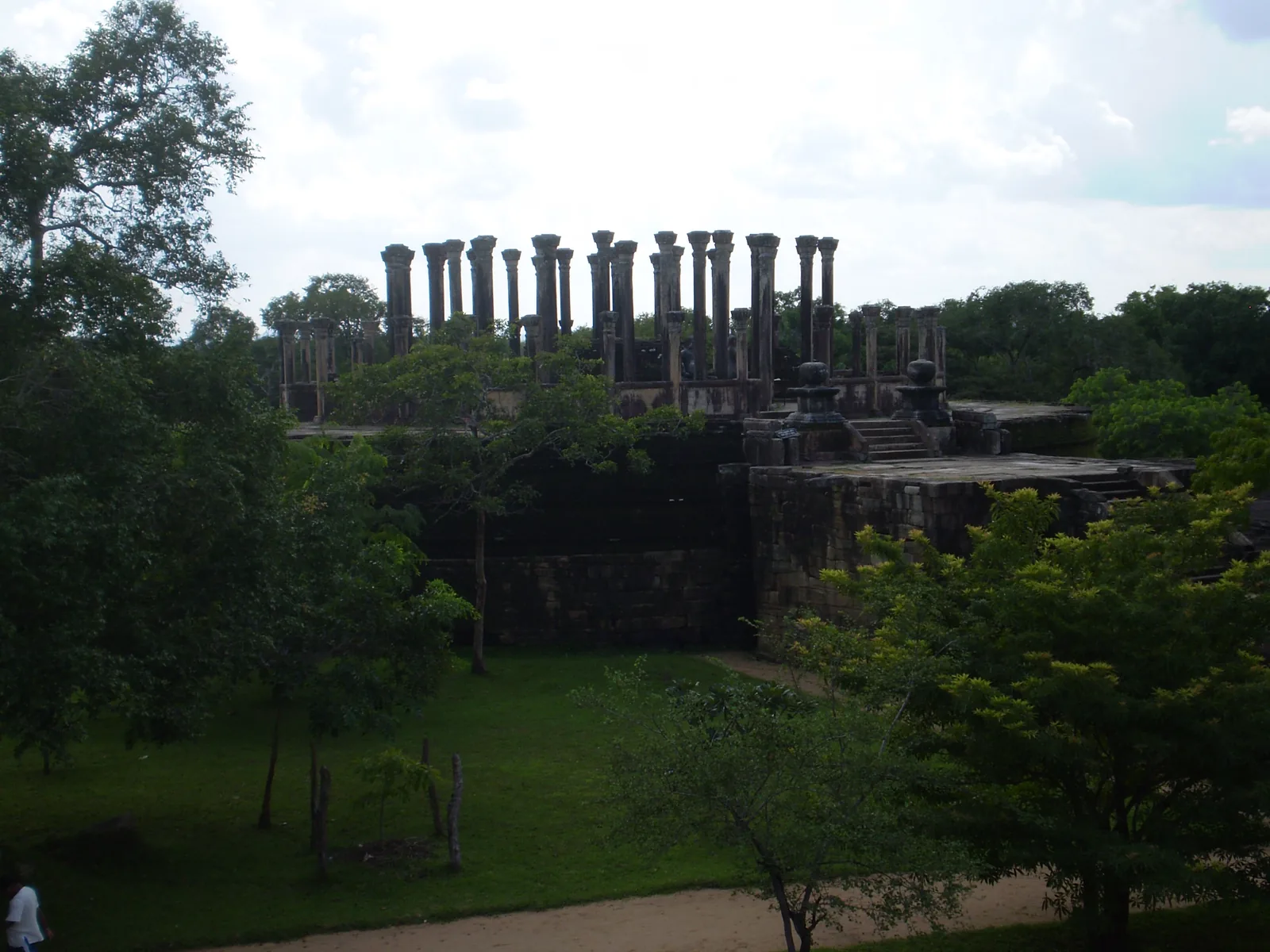 The early vatadages7th–8th century
- Hindagalac. 6th–8th century
 Pulligoda Galgec. 7th century
- Dimbulagala12th century
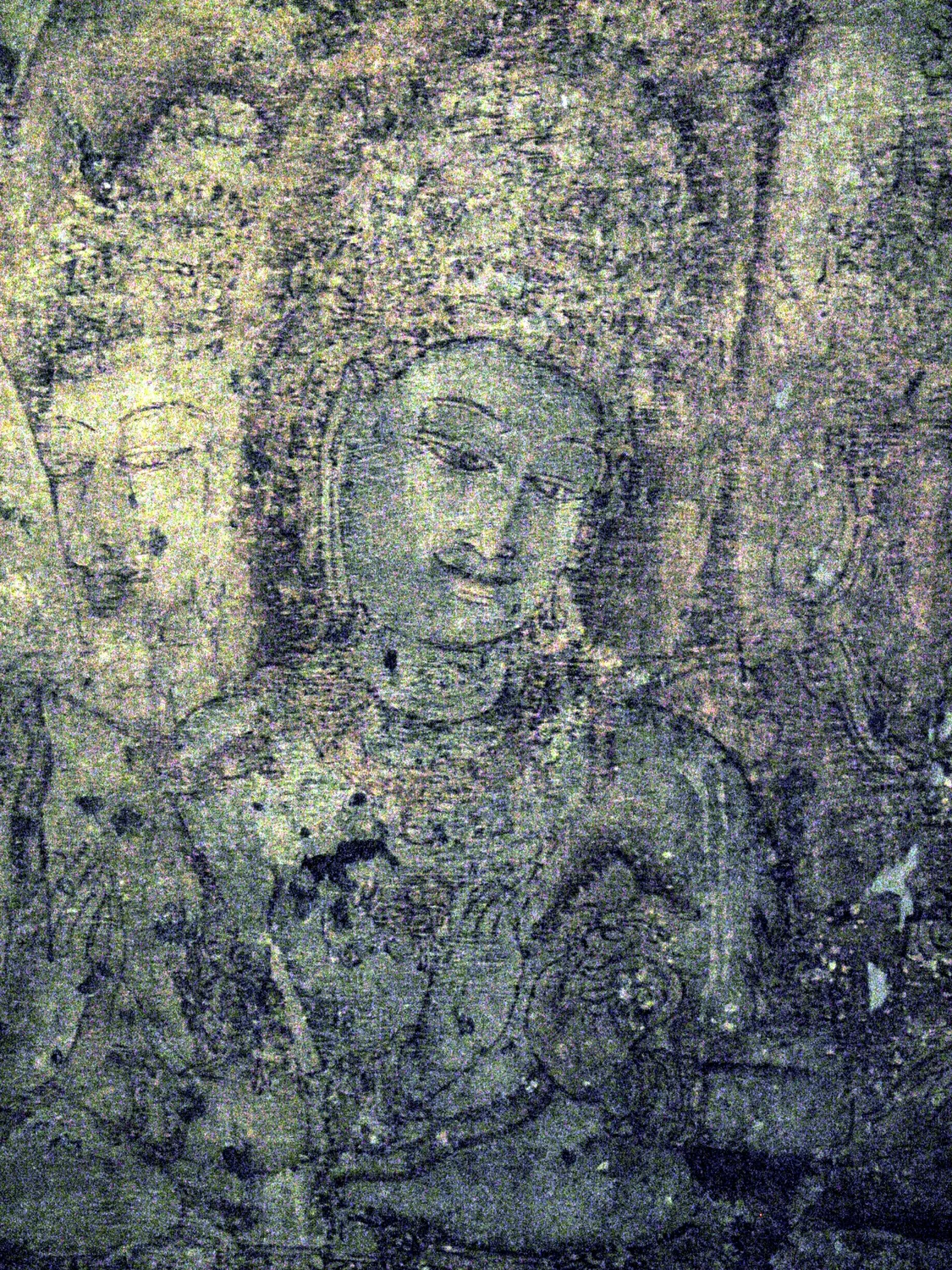 The Tivanka Image House12th–13th century
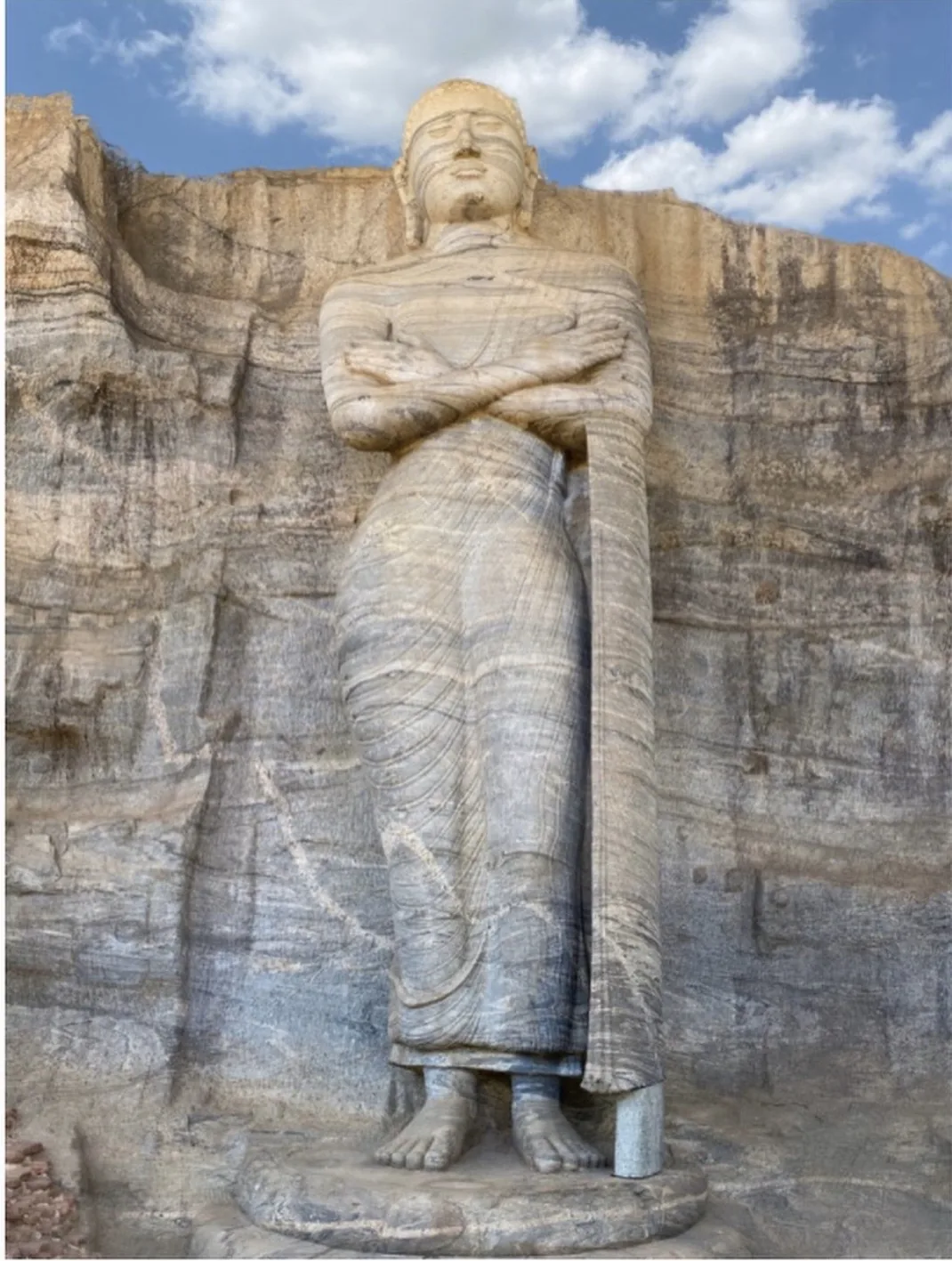 Gal Vihara12th century
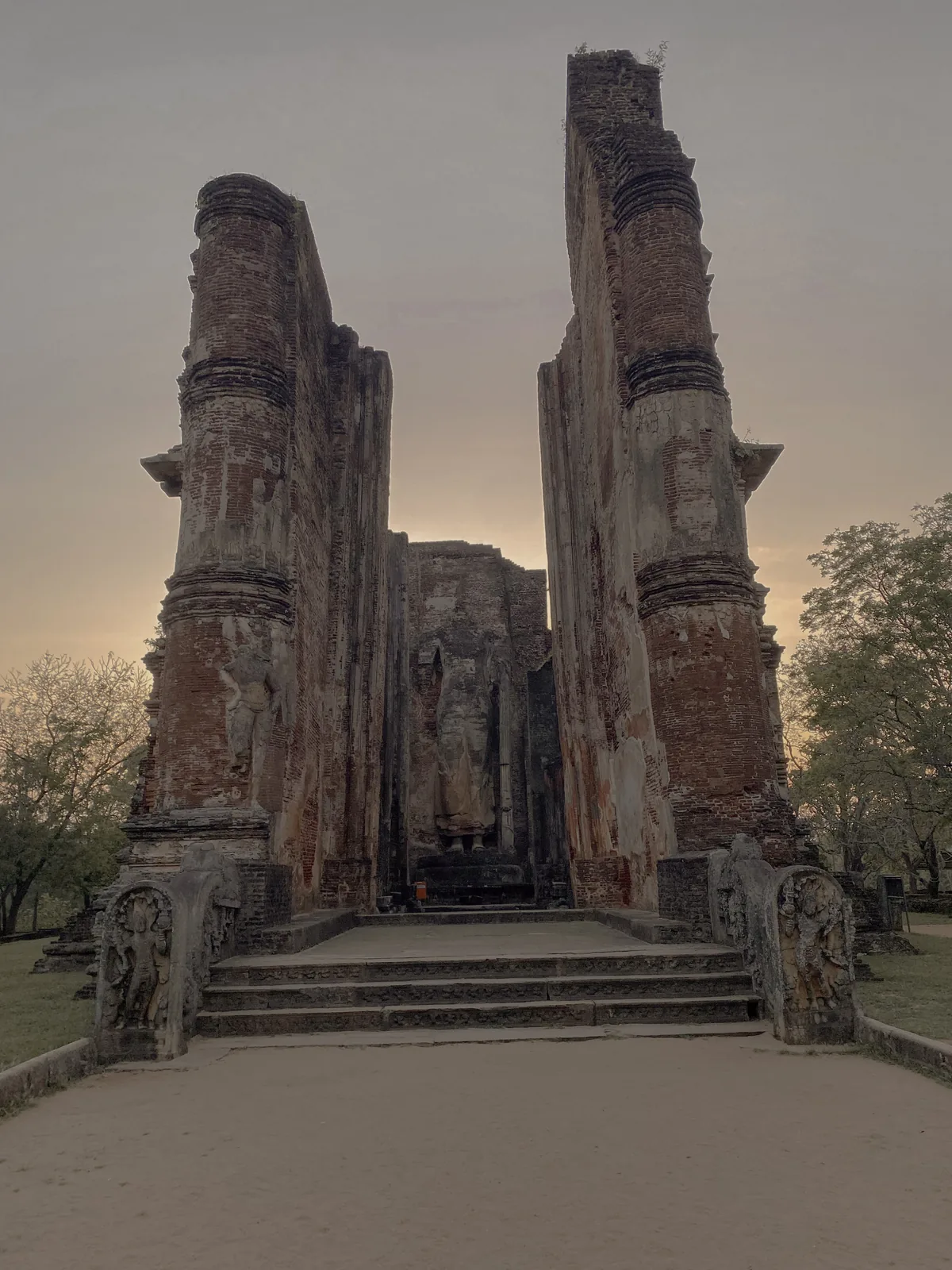 The Lankatilaka Image House12th century
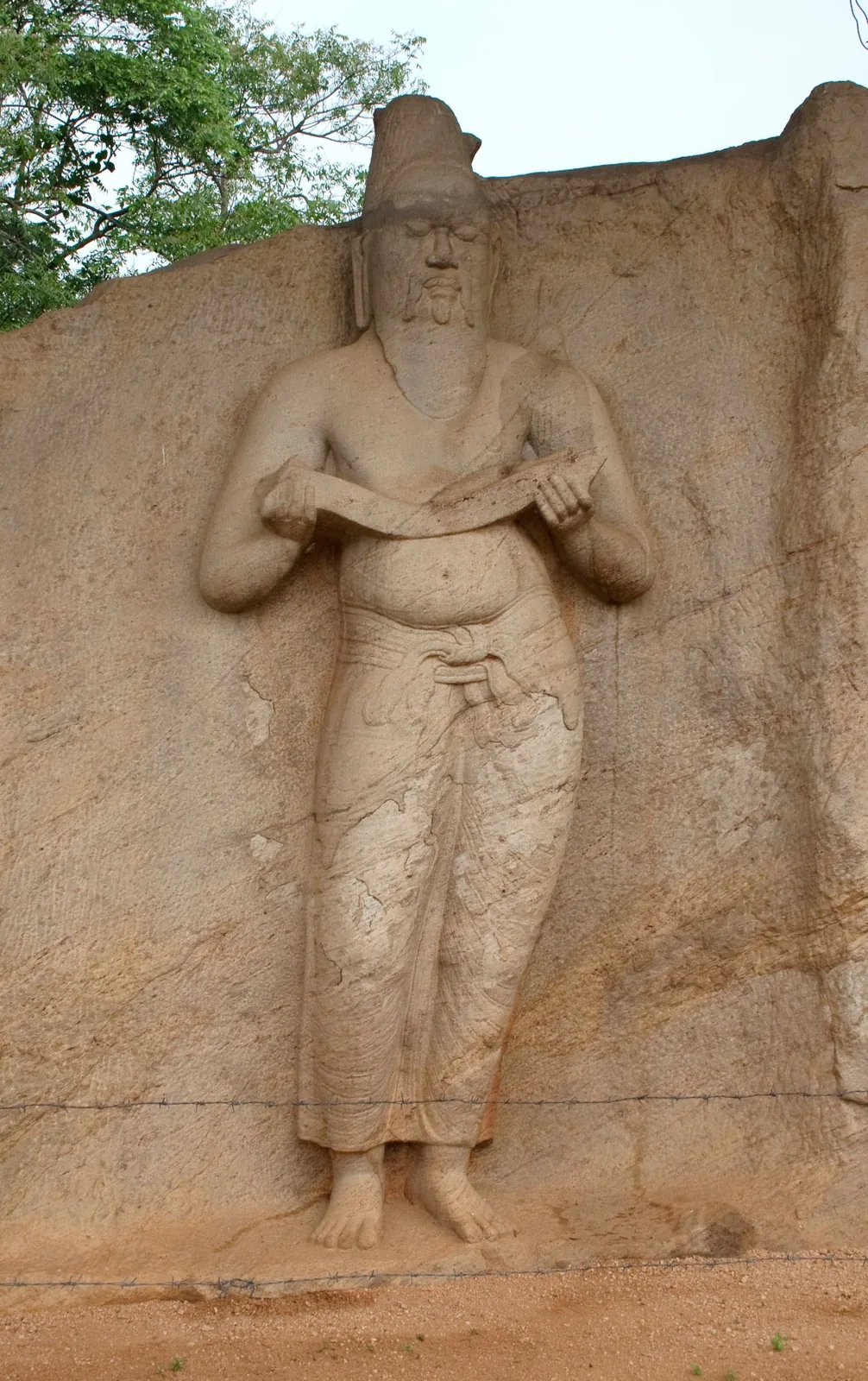 The Potgul Vihara Statue12th century
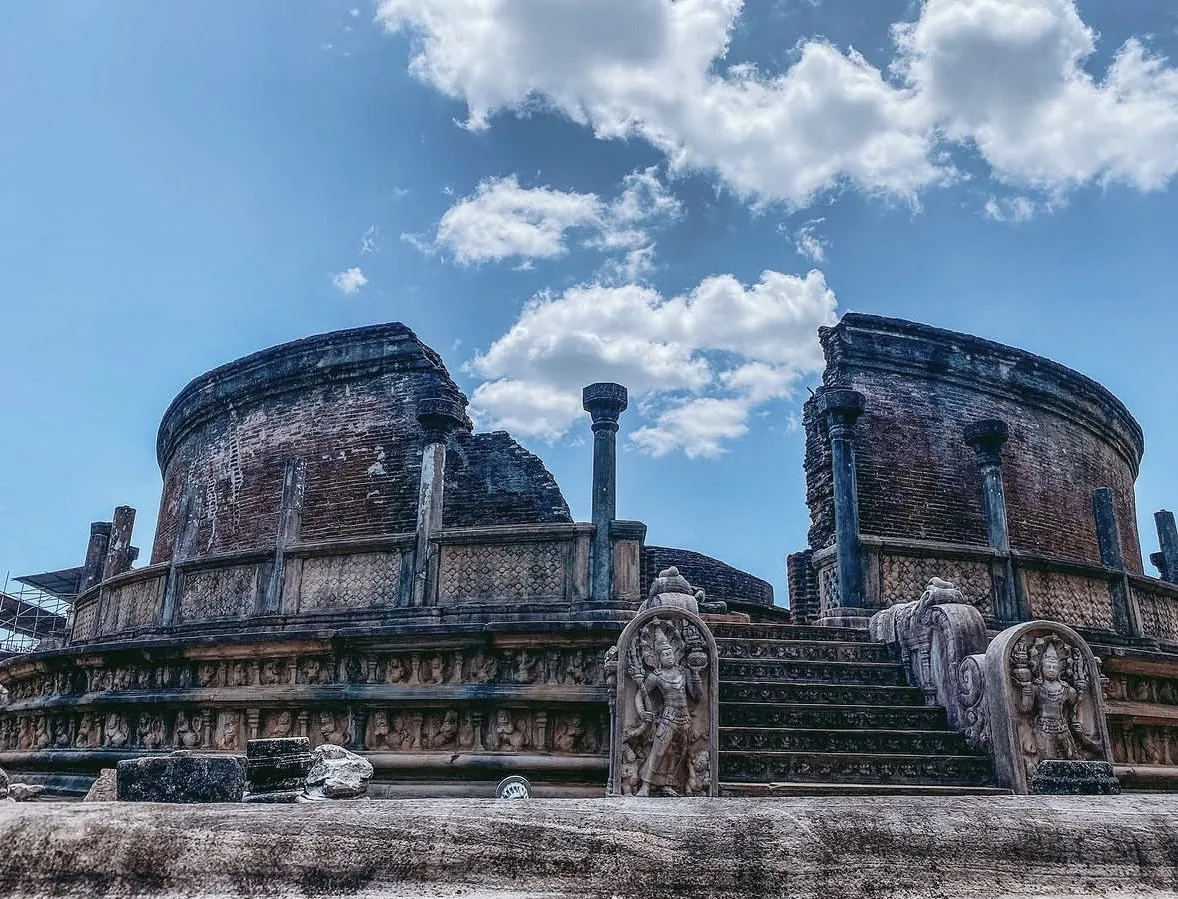 The Polonnaruwa Vatadage12th century
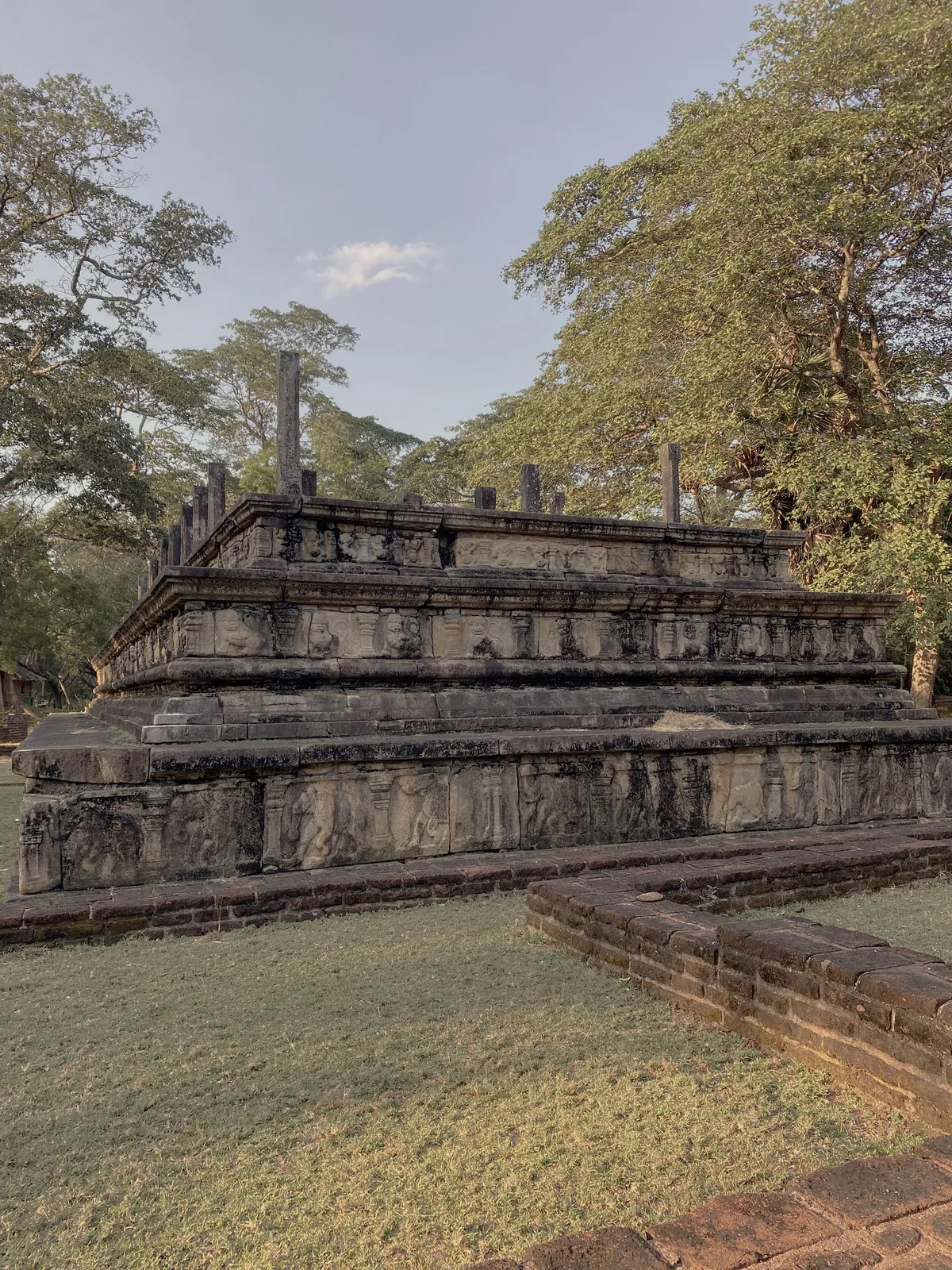 The Council Chamber12th century
- The Polonnaruwa Bronzes11th–13th century
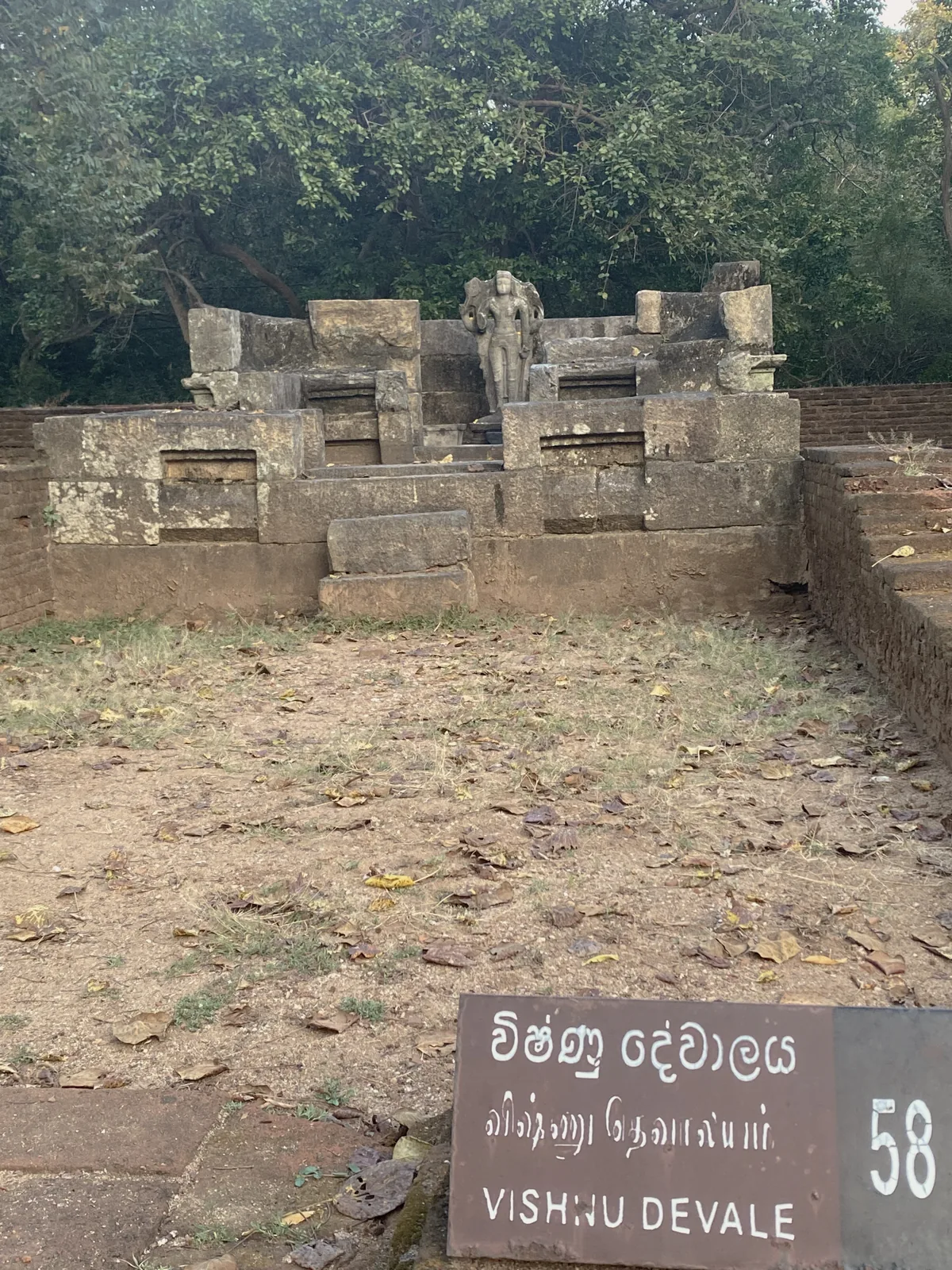 The Shiva Devales11th–13th century
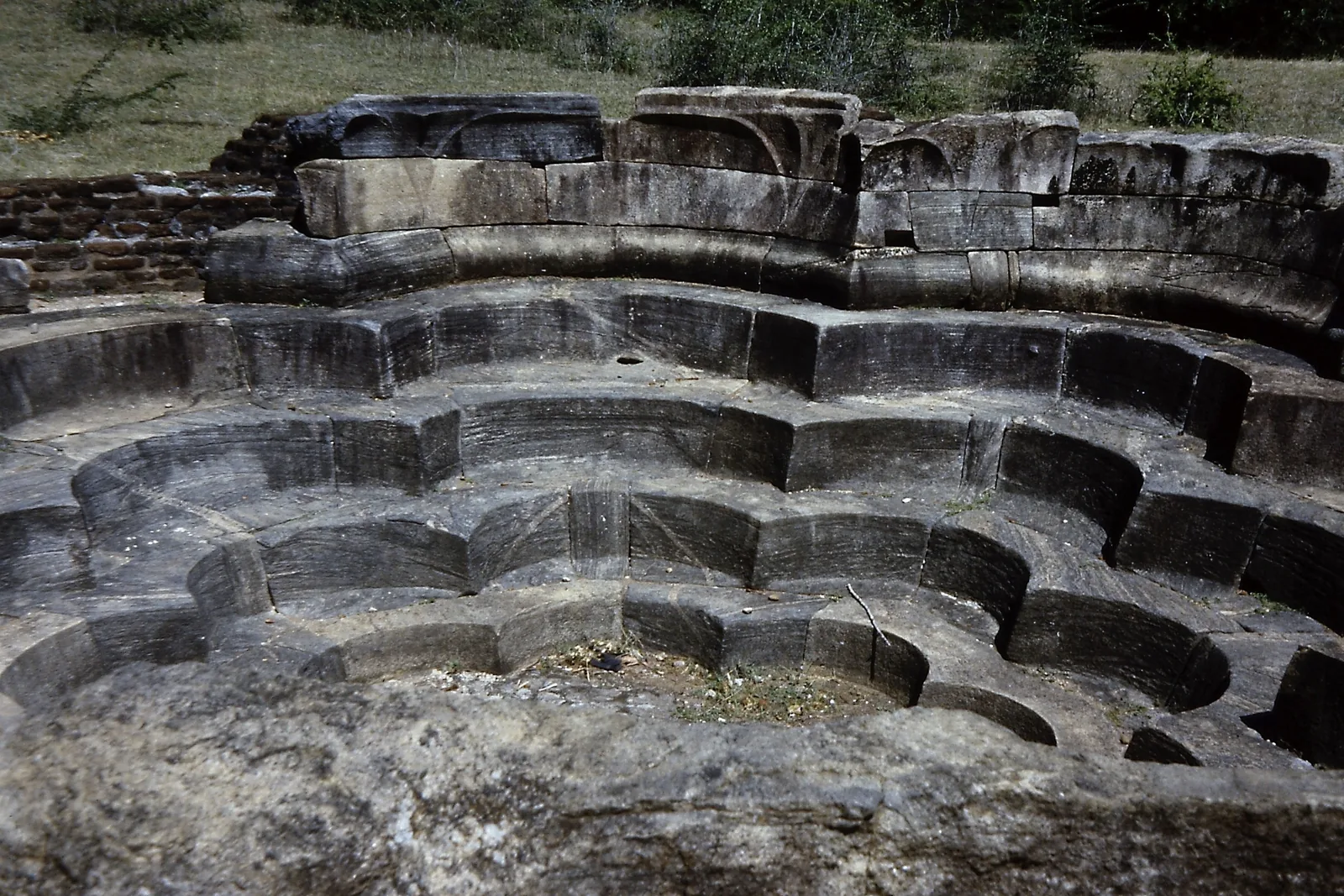 The Nelum Pokuna12th century
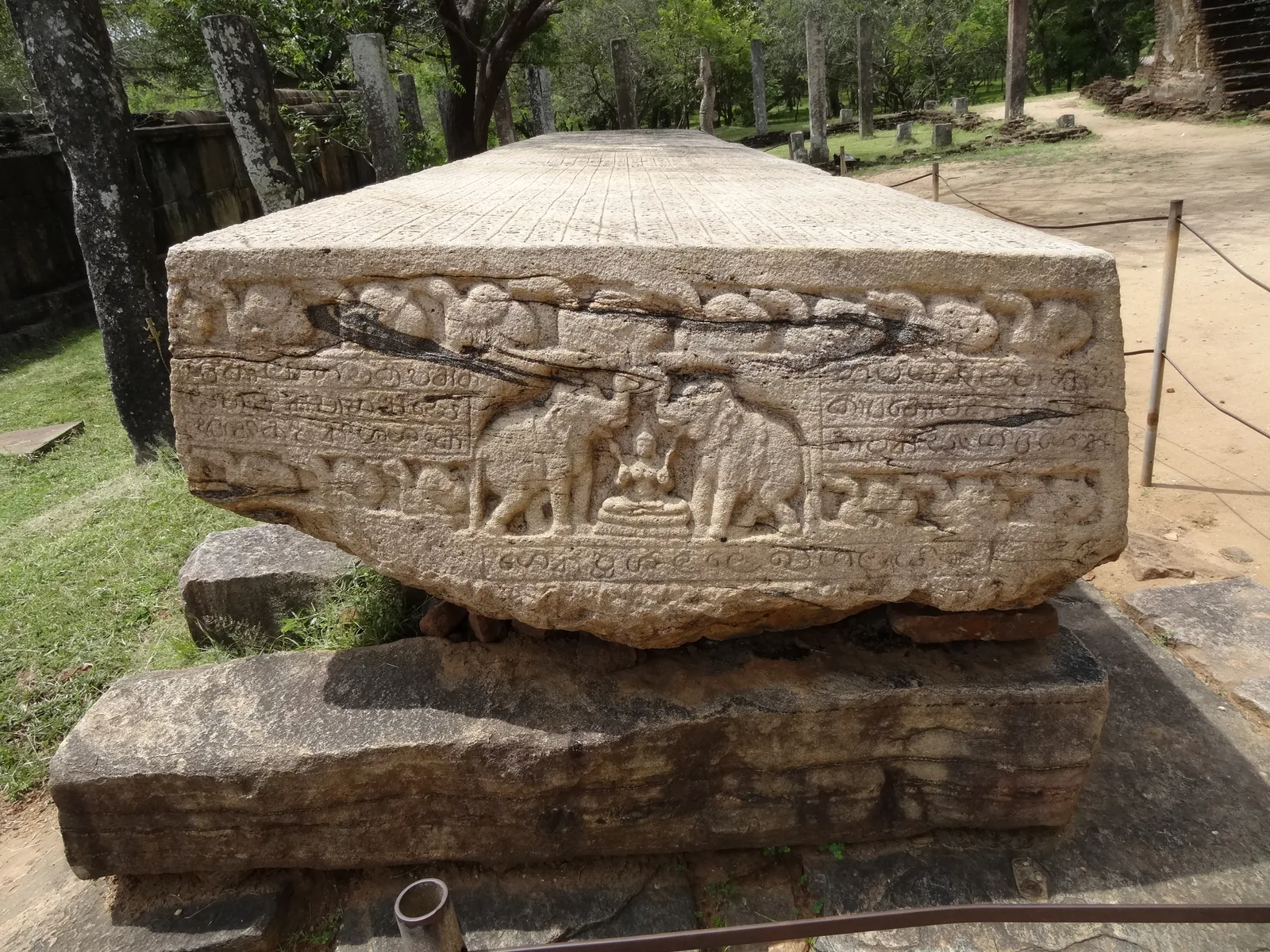 The Gal Potha12th century
 The Sacred Quadrangle11th–12th century
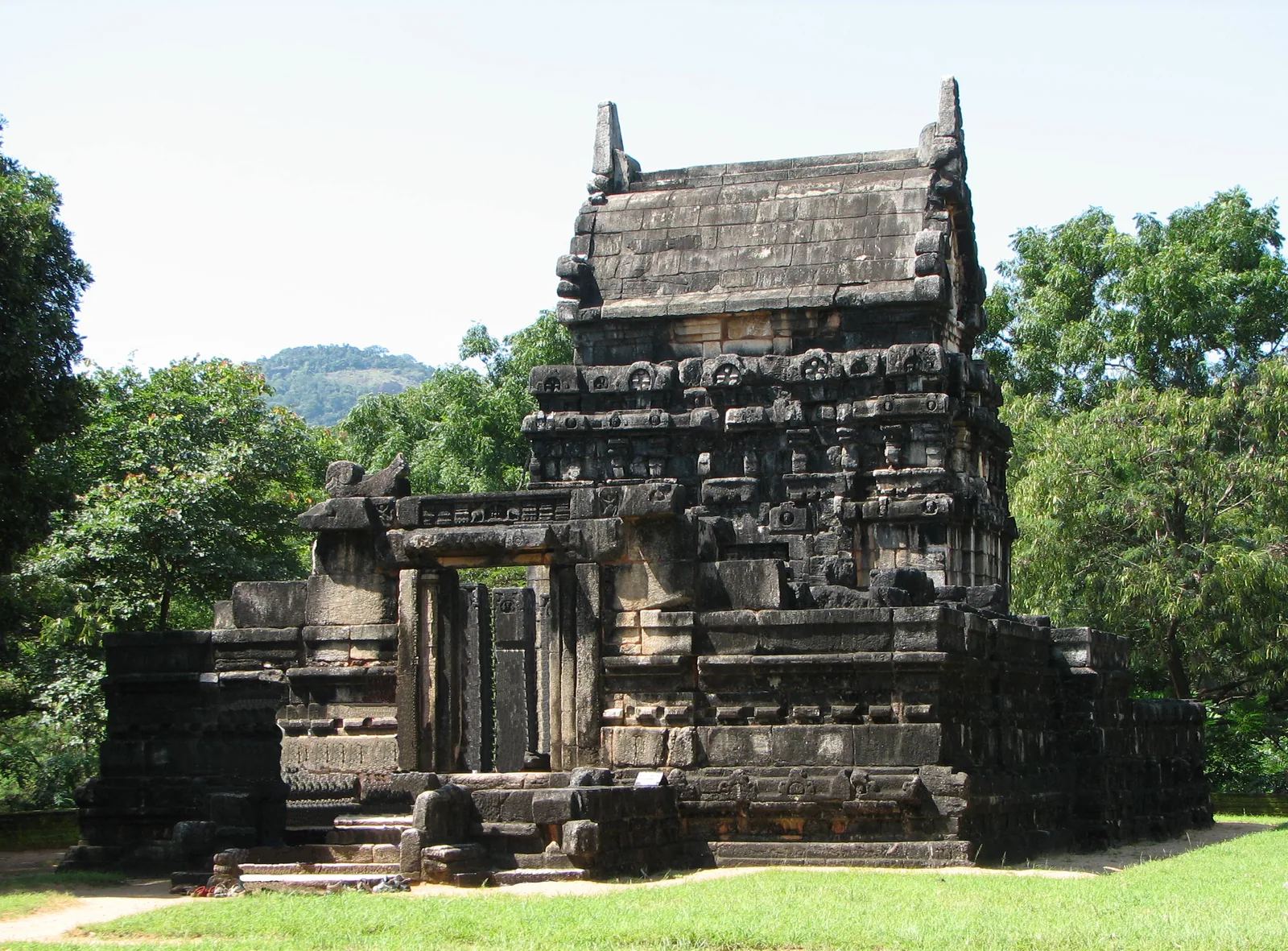 Nalanda Gedige8th–11th century
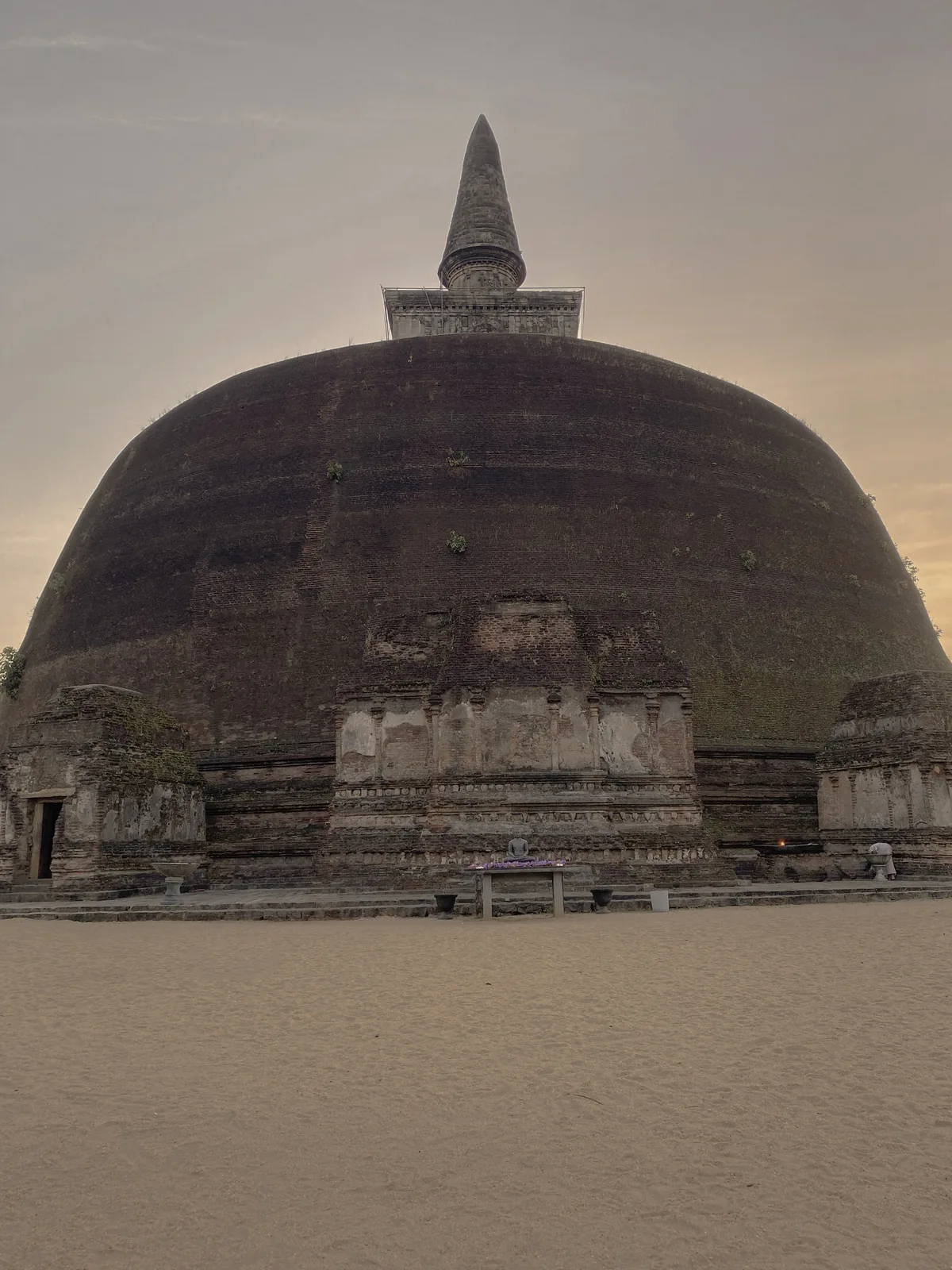 The Polonnaruwa stupas12th century
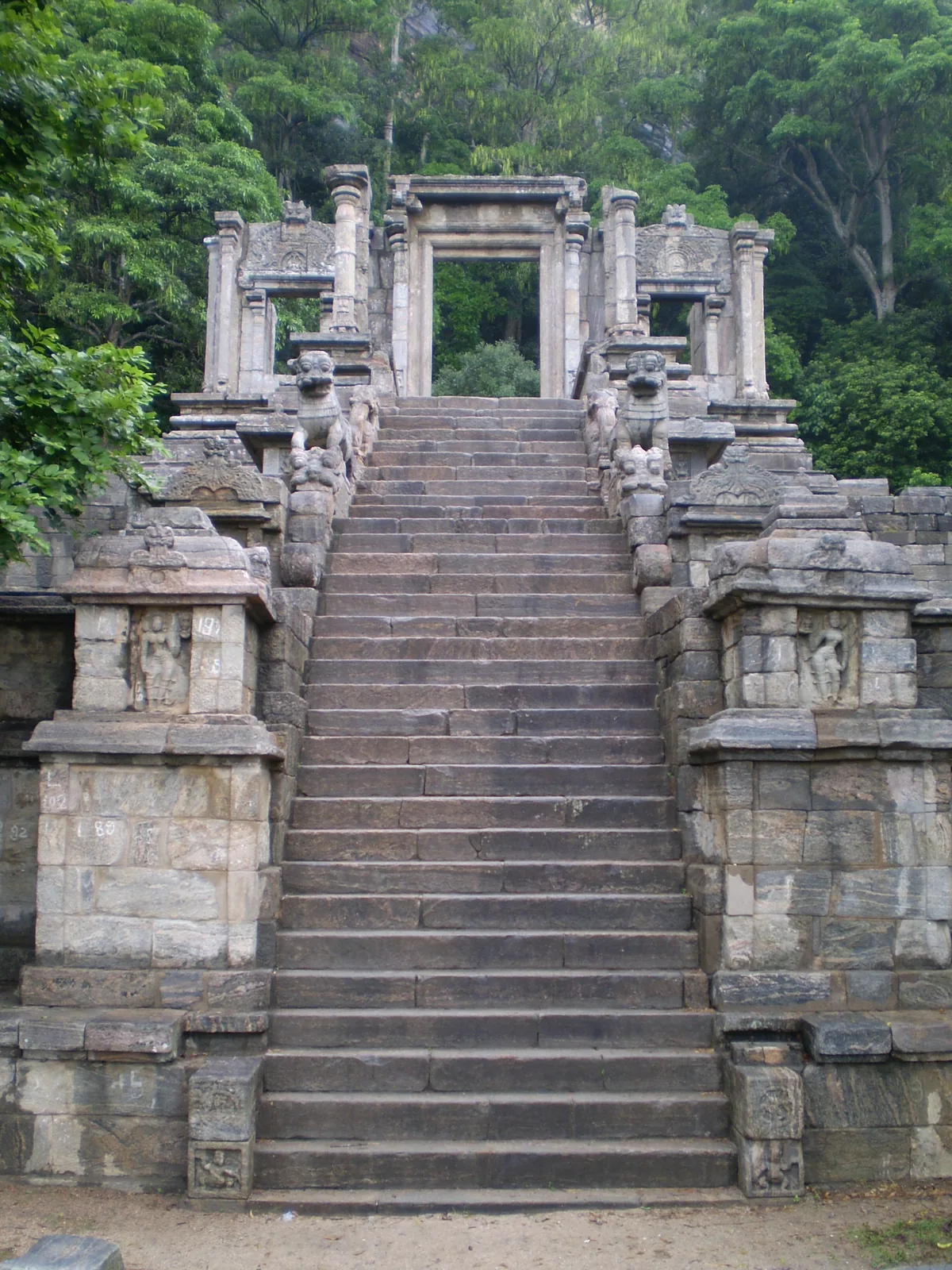 Yapahuwa13th century
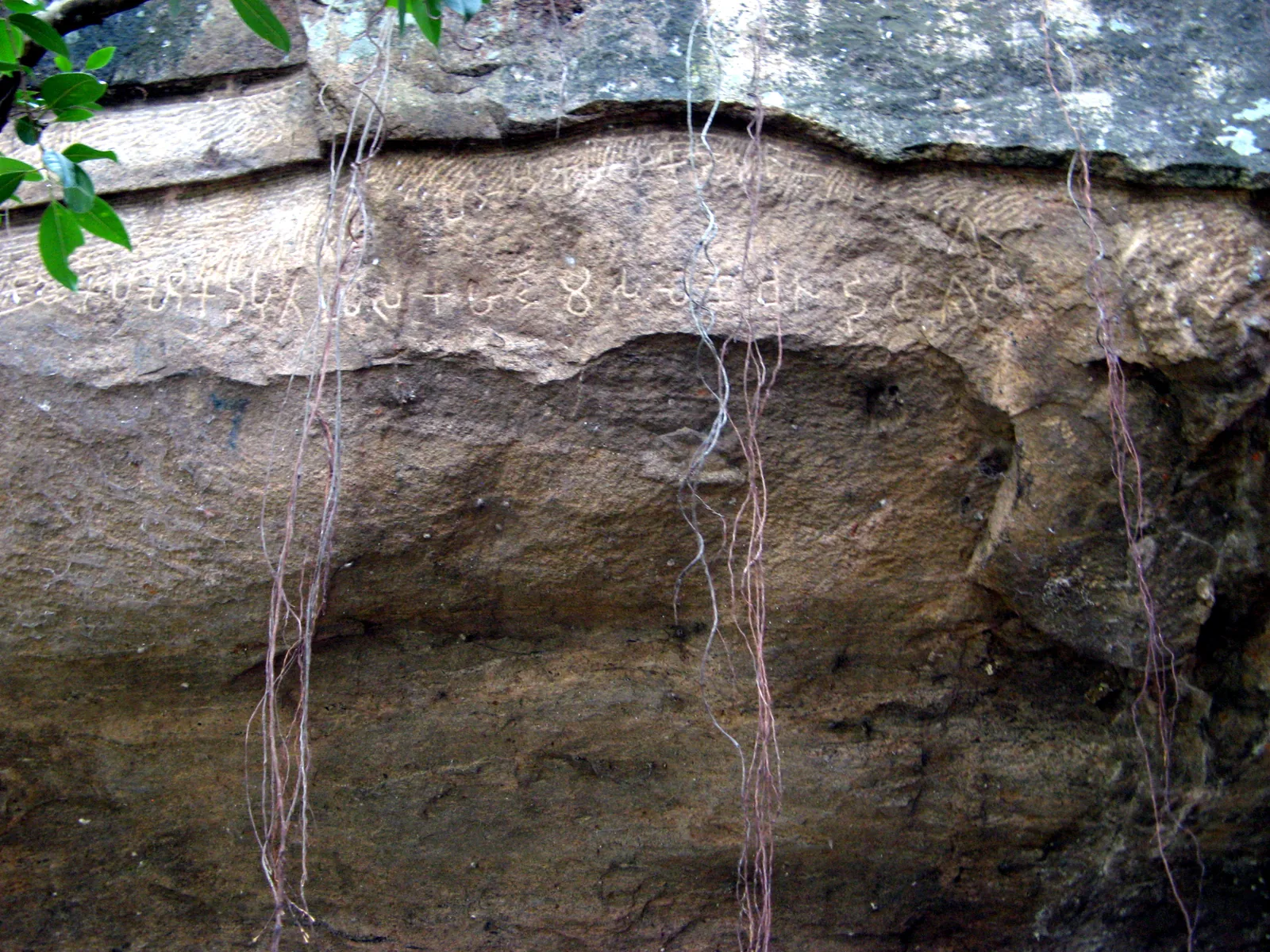 The minor arts3rd century BCE – 13th century CE