The hands that made the island visible.
The island has pictured itself since the fifth century, on the rock at Sigiriya and the walls of its temples. Outsiders later drew it for the world, and in time it made a modern art of its own. This is that whole record, from the ancient hand to the living one.
“Creativity takes courage.”
Henri Matisse
Classical
The oldest paintings on the island, kept on the living rock that has held them for centuries, from the fifth-century painters of Sigiriya to the shrine walls of Anuradhapura and Polonnaruwa. It is the oldest surviving painting in the country, and among the oldest in South Asia. The hands that made it kept no names; the work is known instead by its places, and it is under those places that it is gathered here.
See the classical
Kandyan
The paintings of the island's last kingdom, and the first of its artists we can name, worked on temple and shrine walls through the seventeenth, eighteenth and nineteenth centuries. Here, for the first time, the makers step out of anonymity. The Sittara, the hereditary painter-craftsmen, and the master-monks who led them, are the earliest Sri Lankan artists whose names the record keeps.
See the kandyan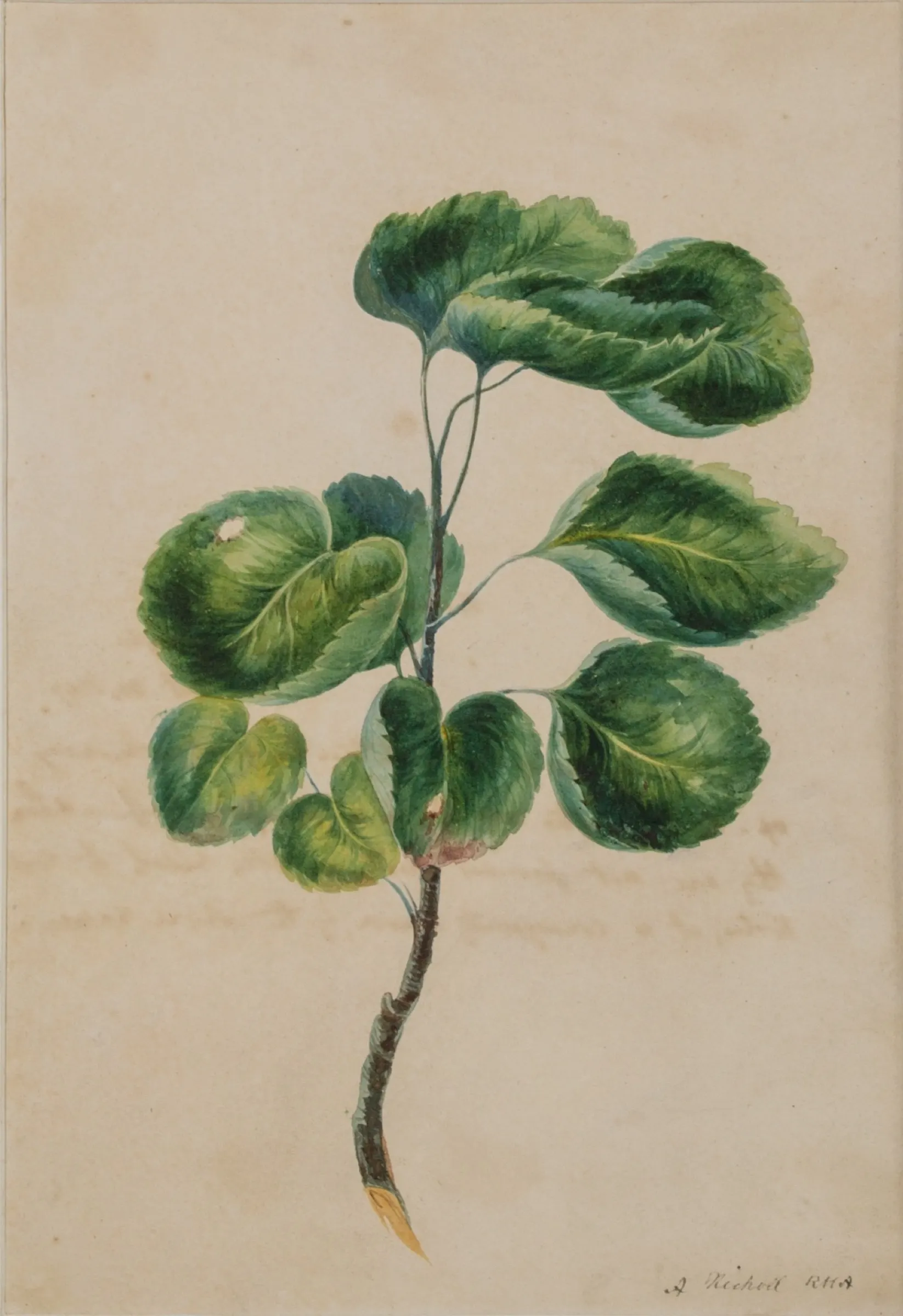
Pre-modern
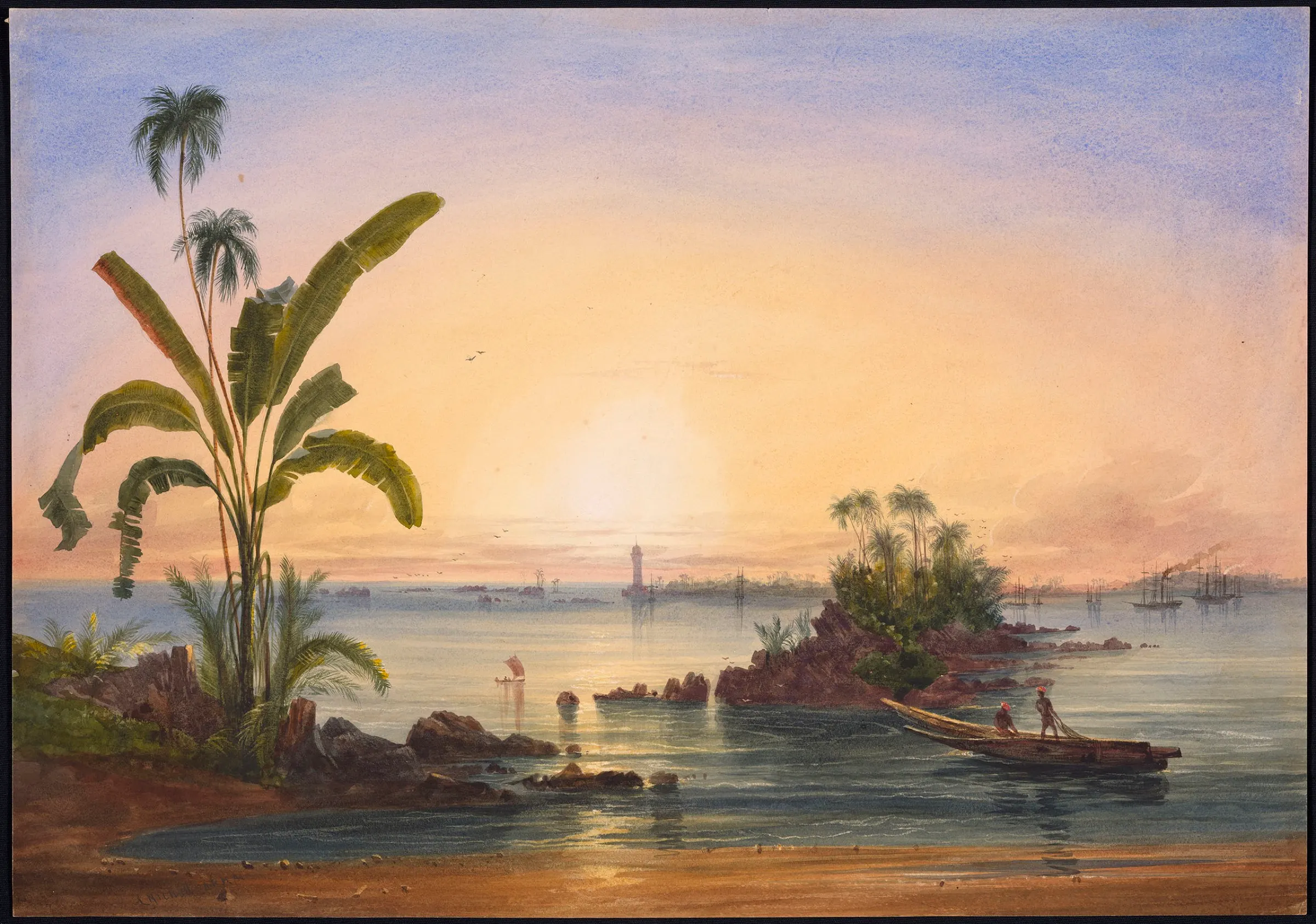
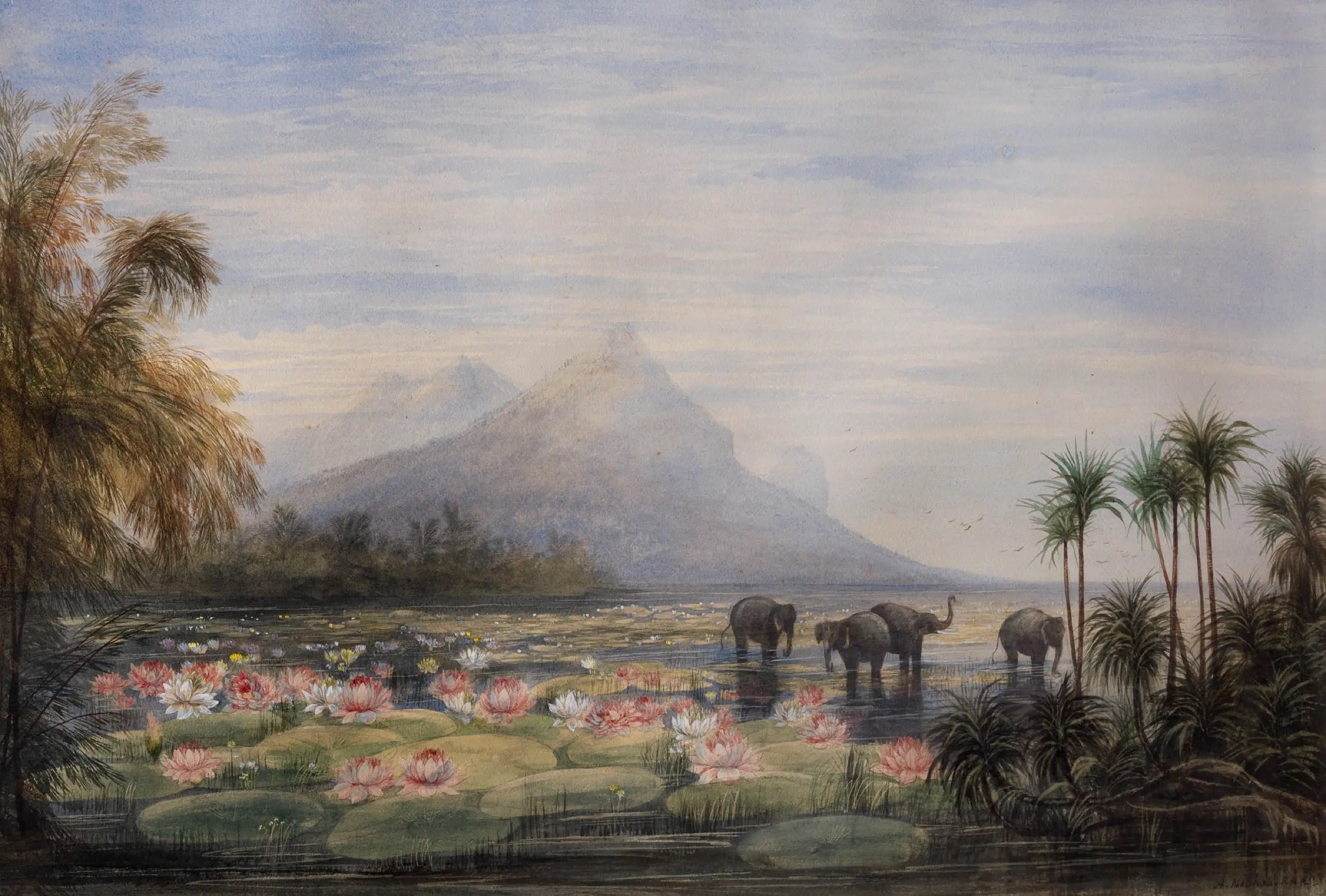
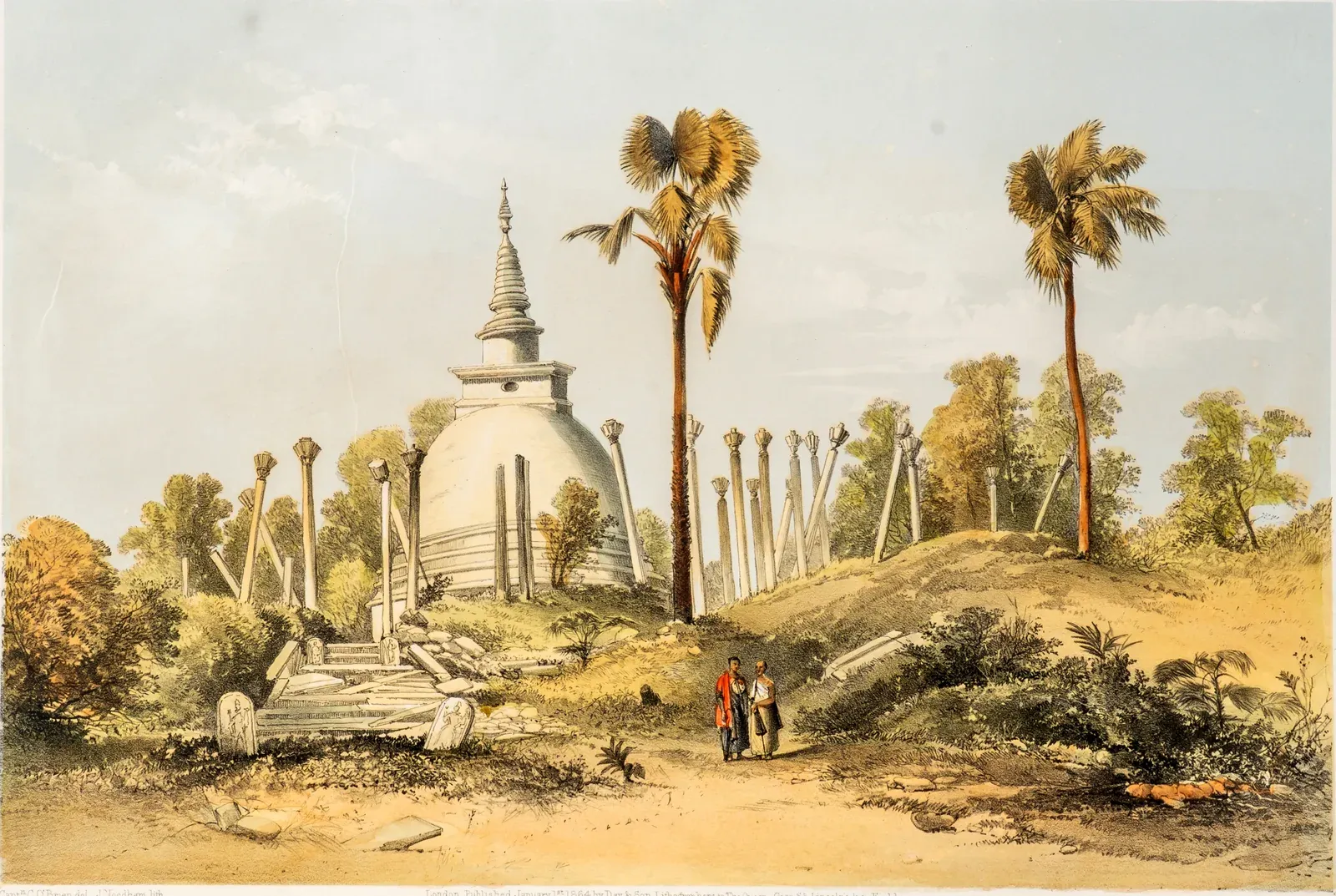
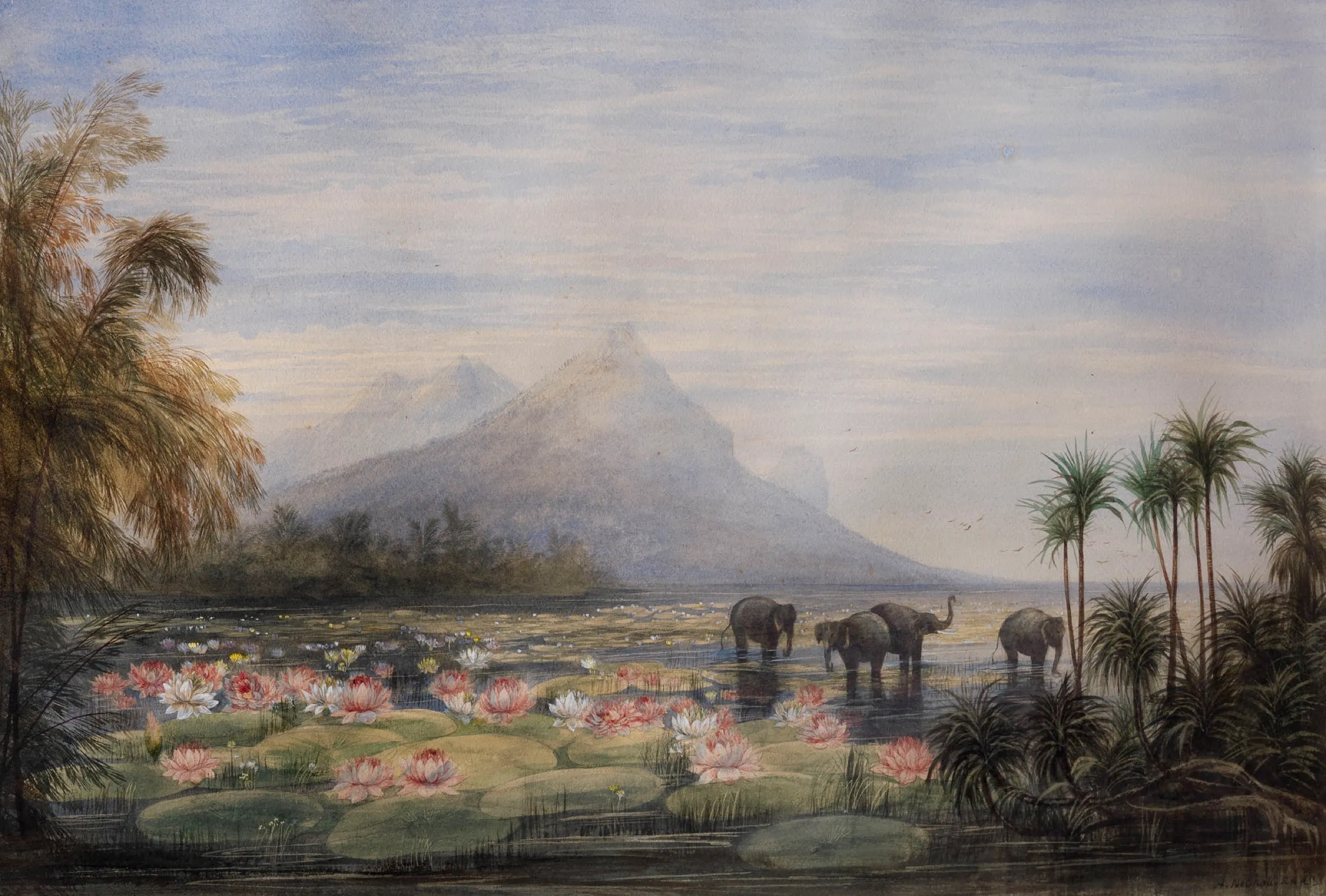
A vanished Ceylon, and for three centuries very largely the one the world knew: the island as its foreign visitors drew it. They were soldiers, officials, travellers and professional painters, working under the Dutch and the British, from the Netherlands, Britain, Ireland and across Europe, with a few who drew it from afar without ever landing, and their work was printed and carried abroad. Beside that record, towards the close of the period, the island's own hand began to picture it from within.
See the pre-modern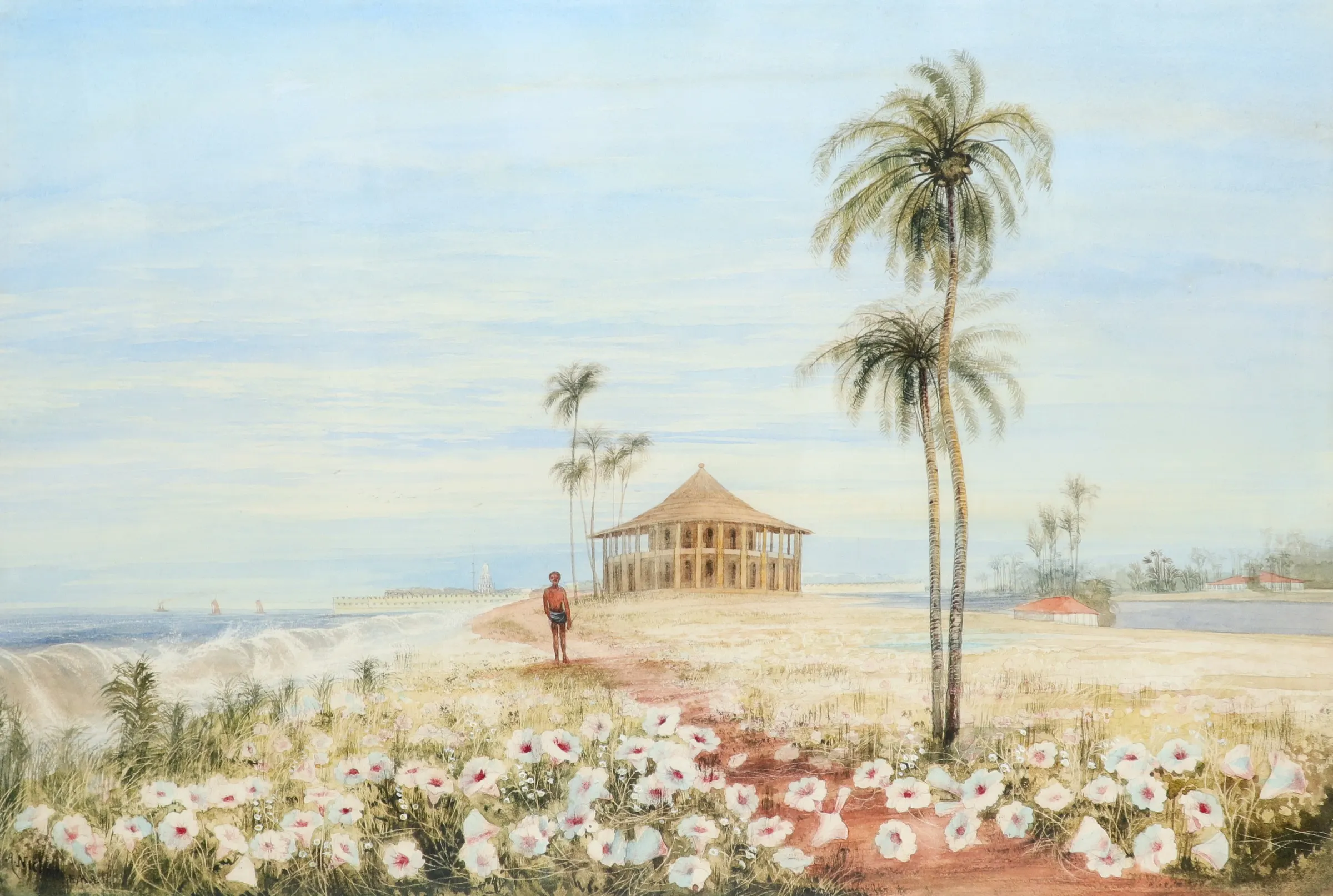
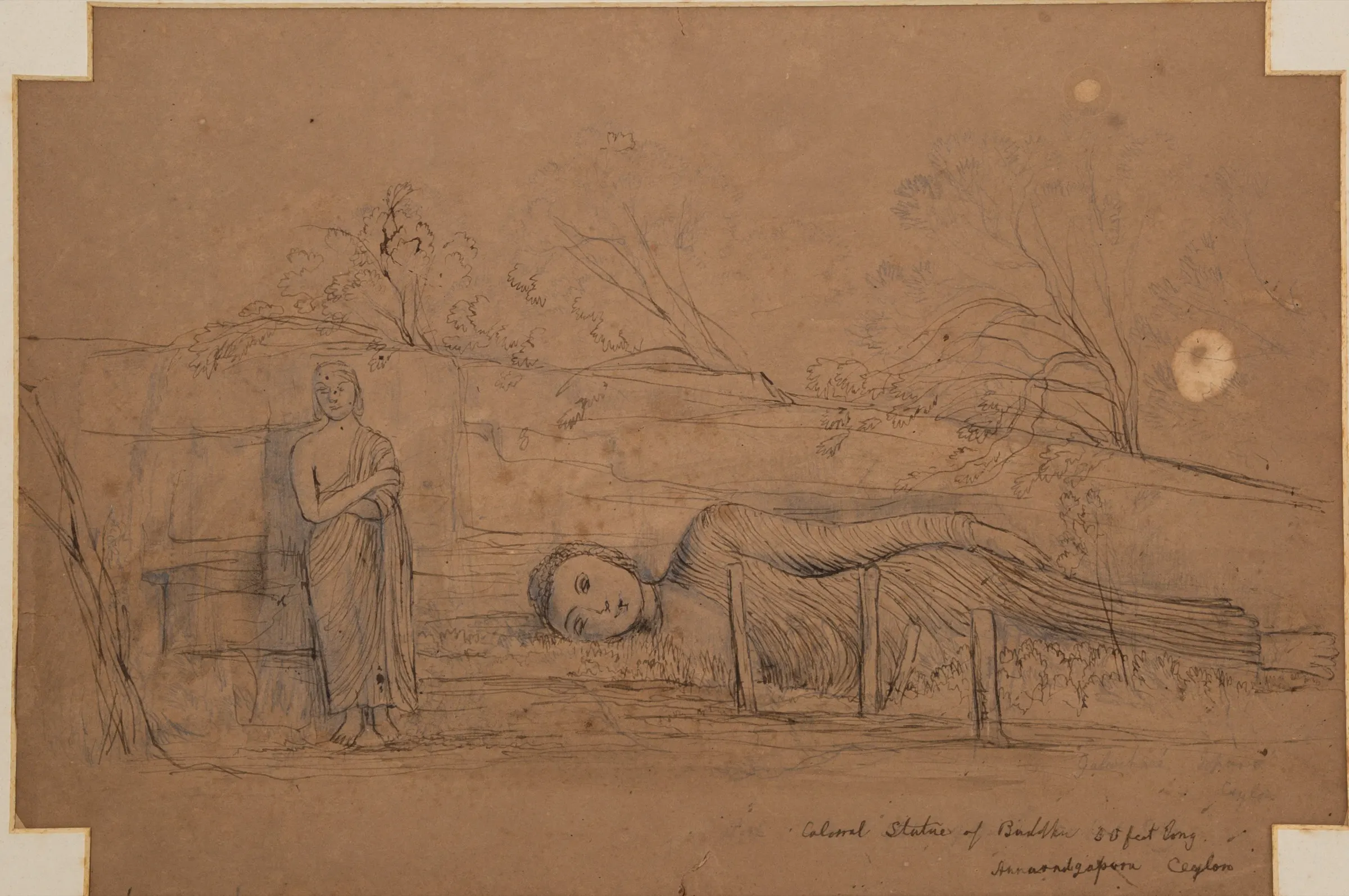
Transitional
Temple painters who took in European perspective and colonial life, and carried the sacred tradition towards the modern. Through the closing decades of the nineteenth century and into the twentieth, the lowland temples fused the old sacred language with European perspective and the dress, theatre and incident of a changing colonial world. The change reached the building as much as the wall, in the pillared and two-storey image houses of the hill country and, on the southern coast, in an ornament that put the European rose in the lotus's place and pressed even the coloniser's coat of arms into Buddhist service. Much of it is anonymous, known by its temples; some carries the first names of the professional painters who took the manner into the Buddhist revival, and on into the art that followed.
See the transitional
Modern
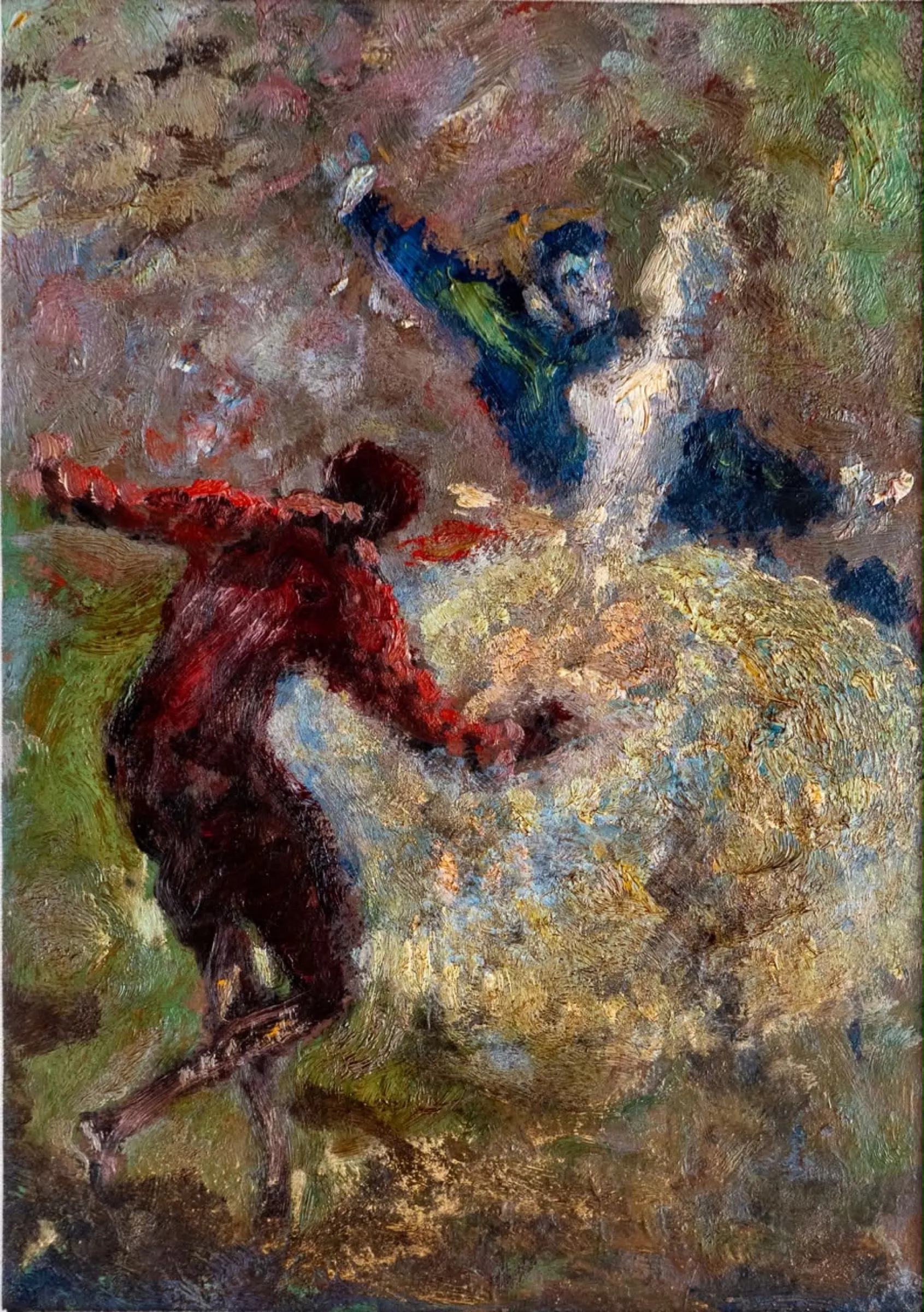
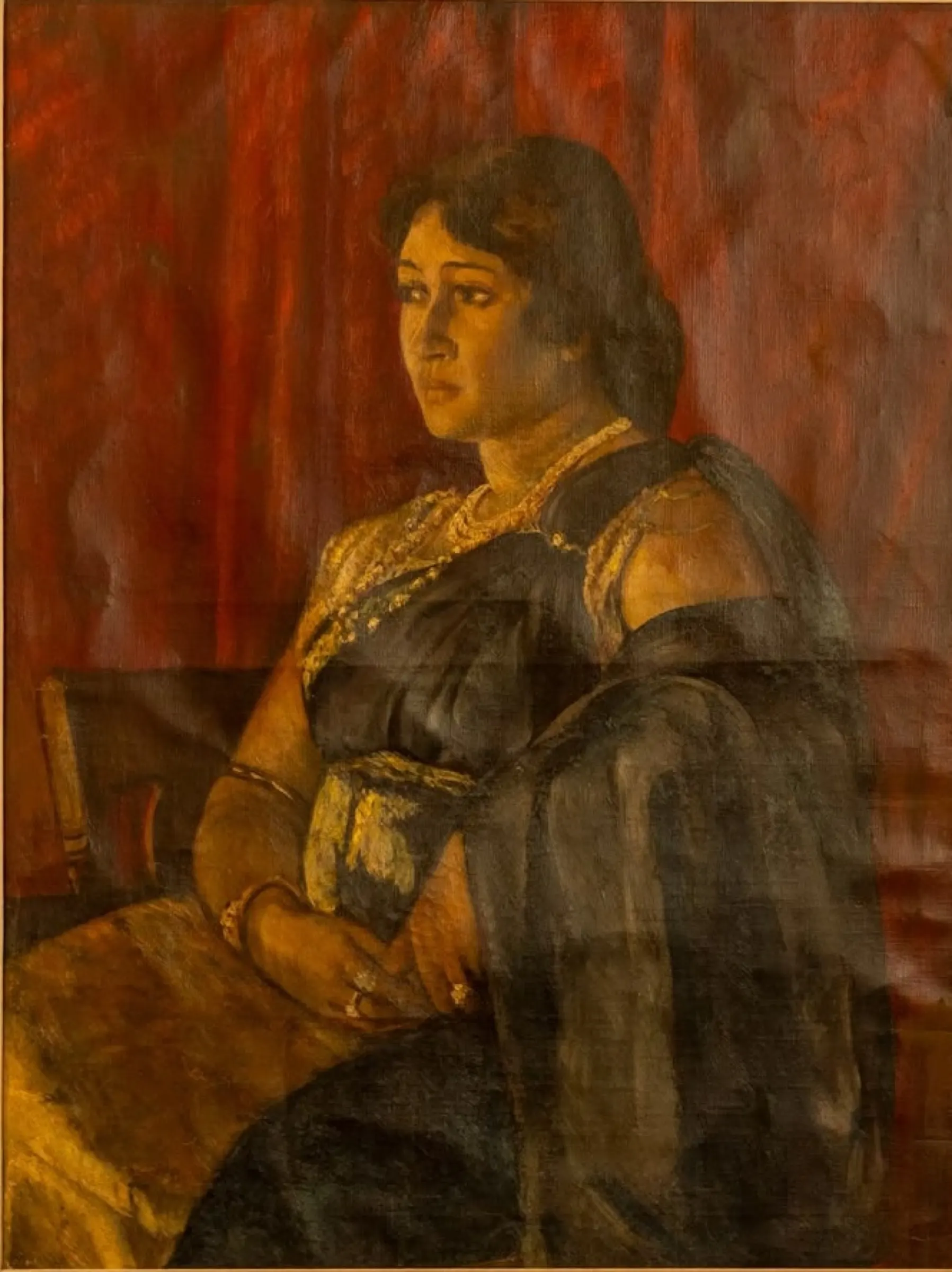
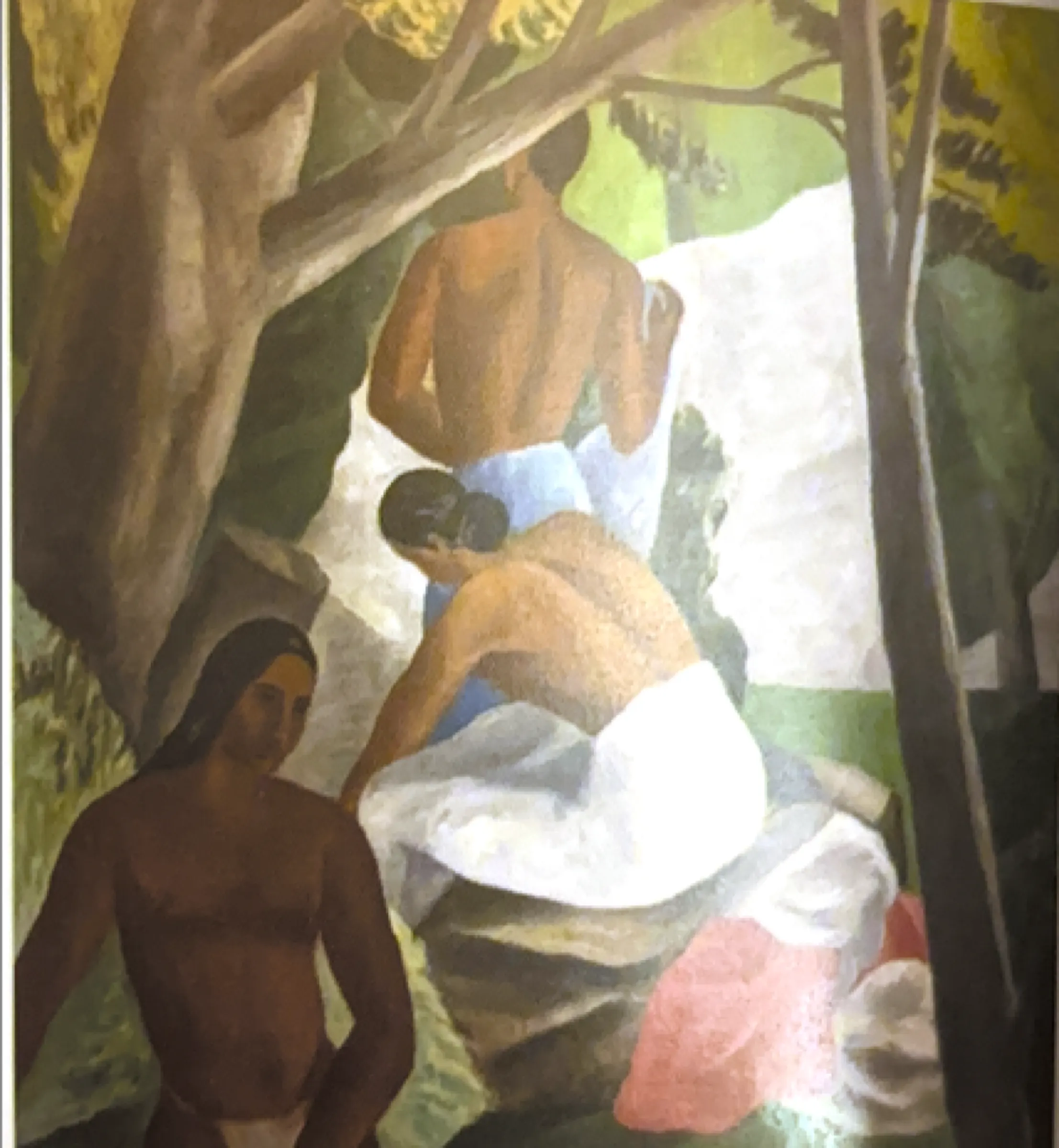
In 1943 a circle of painters broke from Colombo's academic salon and gave European modernism a form entirely of the island. By 1955 it hung at the Venice Biennale. This was the '43 Group, gathered here with the salon masters it broke from and the wider circle of the modern decades.
See the modern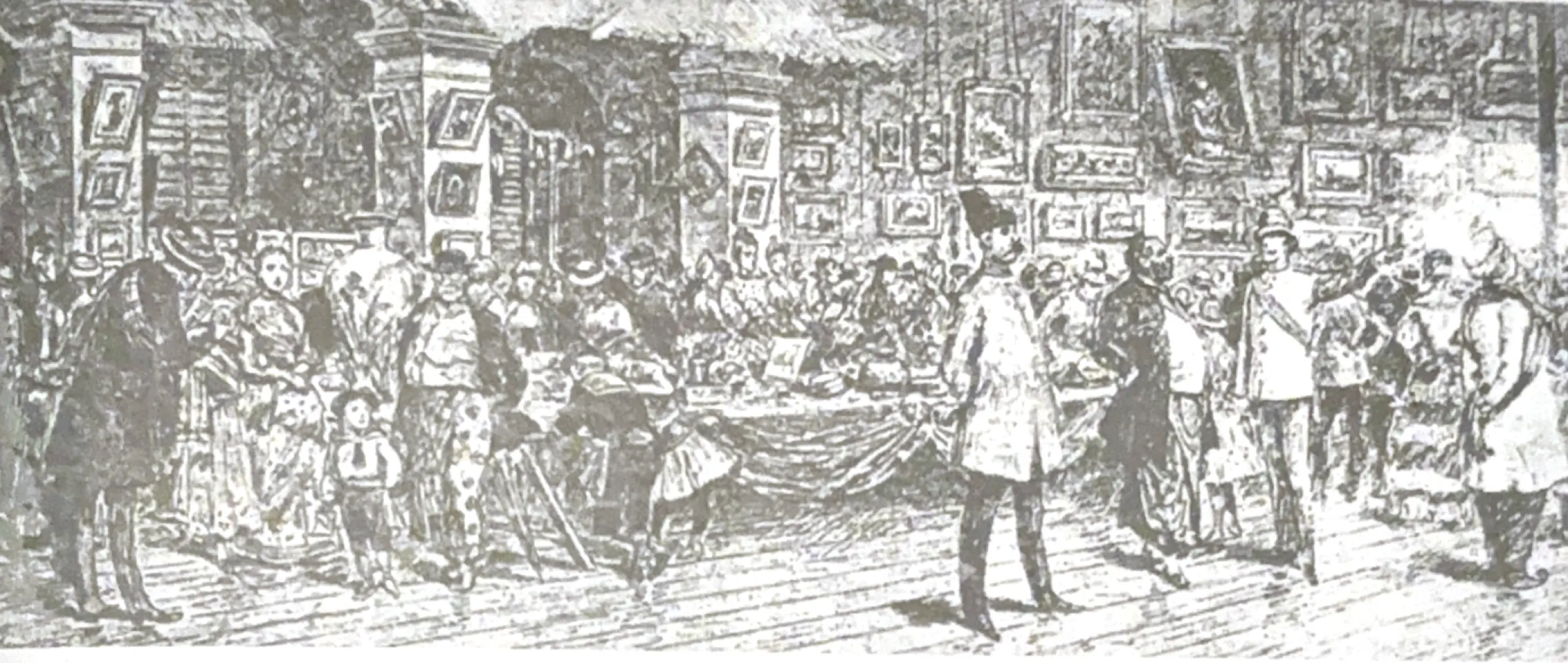
Late Modern
The generation after the '43 Group, each on their own path rather than under a single banner, and the first to bring abstraction to the island. Once the Group's founders had scattered, a wider circle of painters and sculptors carried the modern idea through the decades that followed, some who had shown with it in its last years, some who never touched it.
See the late modern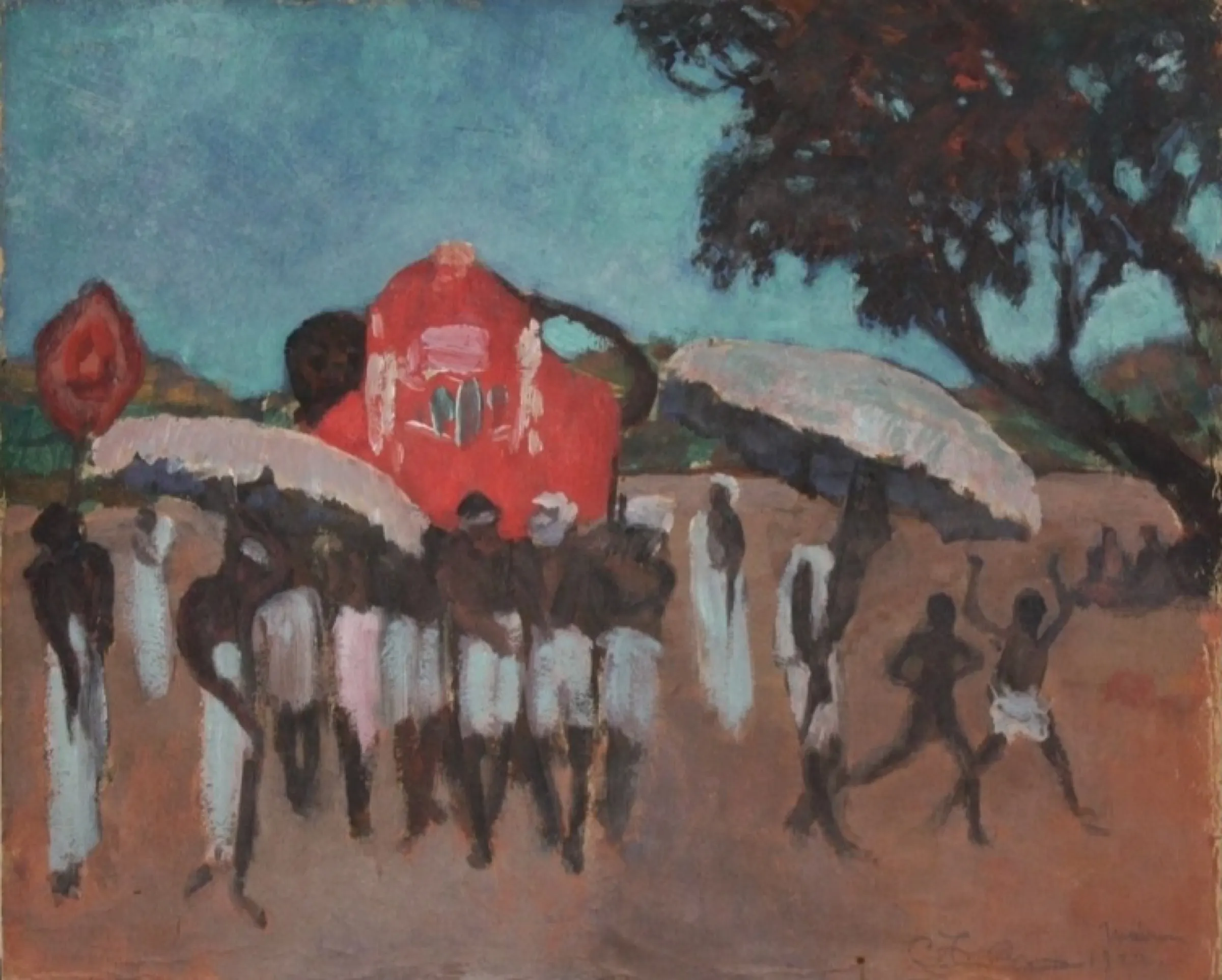
Contemporary
The island's art in the present tense: living artists, working through what a country carries after a long war, and deciding what its art becomes next. Much of it came up through the war years and after, unafraid of politics and open to every medium, alongside senior figures who kept to their own road.
See the contemporary