Pre-modern
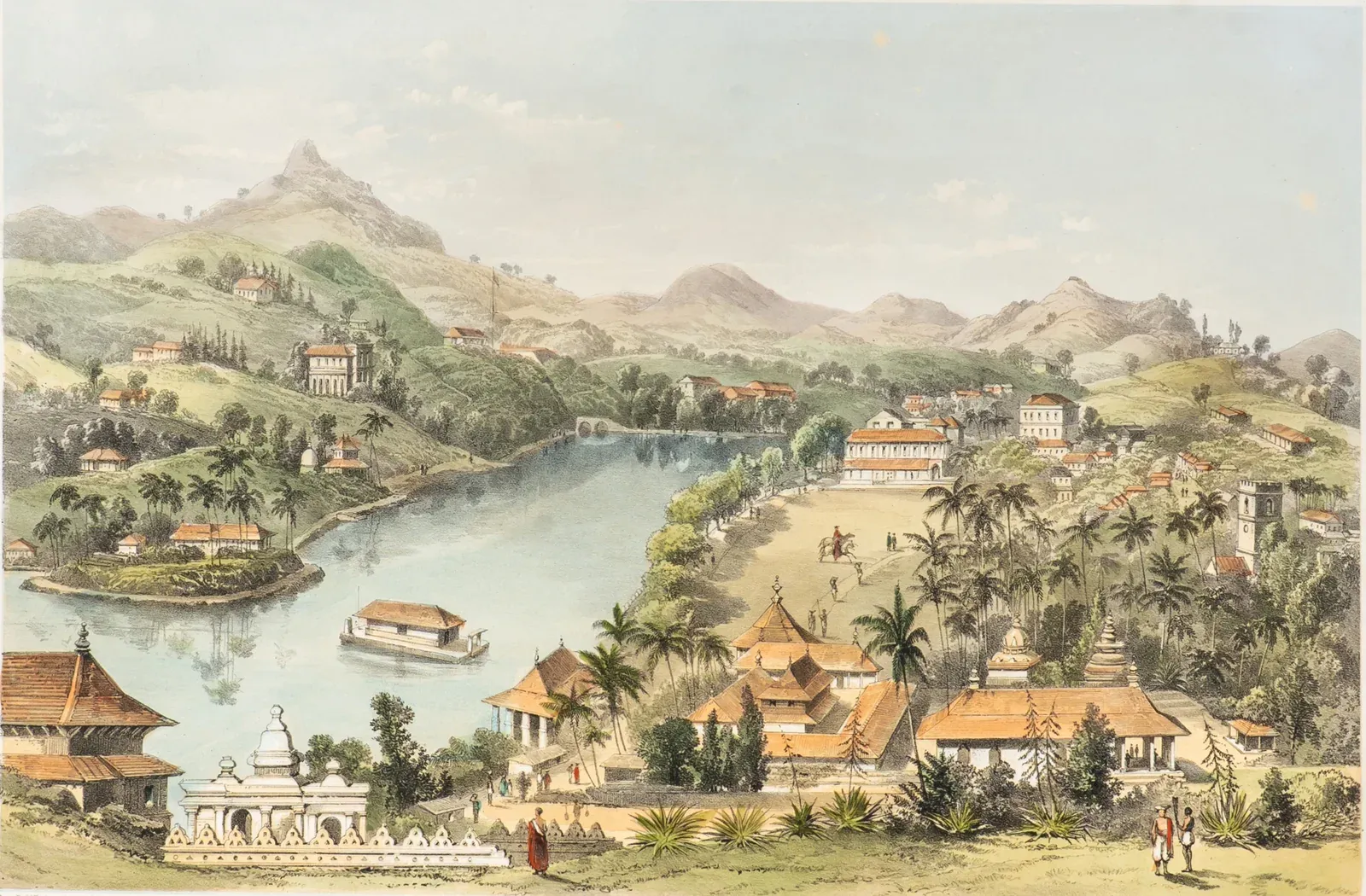
A vanished Ceylon, and for three centuries very largely the one the world knew: the island as its foreign visitors drew it. They were soldiers, officials, travellers and professional painters, working under the Dutch and the British, from the Netherlands, Britain, Ireland and across Europe, with a few who drew it from afar without ever landing, and their work was printed and carried abroad. Beside that record, towards the close of the period, the island's own hand began to picture it from within.
“To know what the ancients did is not enough; we must know what they saw.”
Huang Binhong
The Dutch record
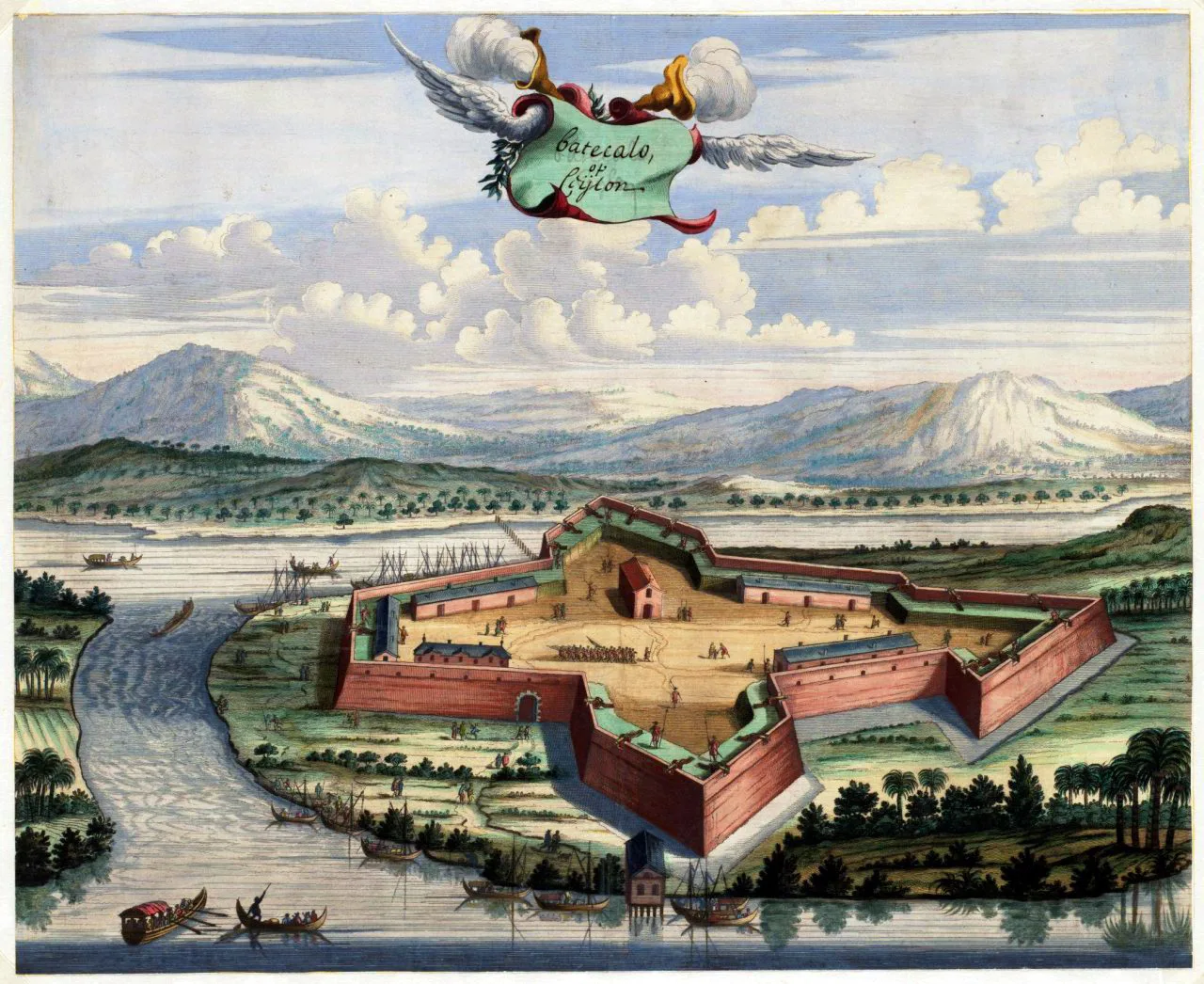
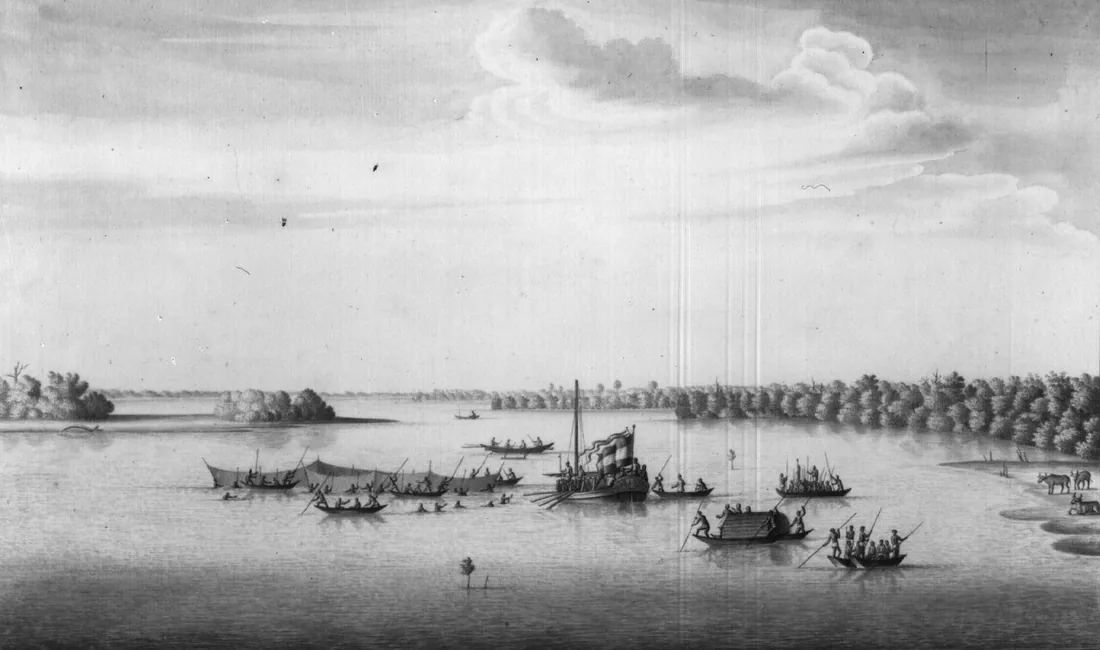
For nearly two centuries the world beyond the island saw it through Dutch eyes. From the first embassy to the court of Kandy in 1602 to the fall of the Dutch possessions in 1796, the record was made almost wholly by the servants of the Dutch East India Company and the travellers who sailed under it: soldiers, surgeons, chaplains, surveyors and the occasional trained painter, whose work was gathered at last into the great folios that carried Ceylon into every library in Europe.
 The Dutch recordIntroduction to this part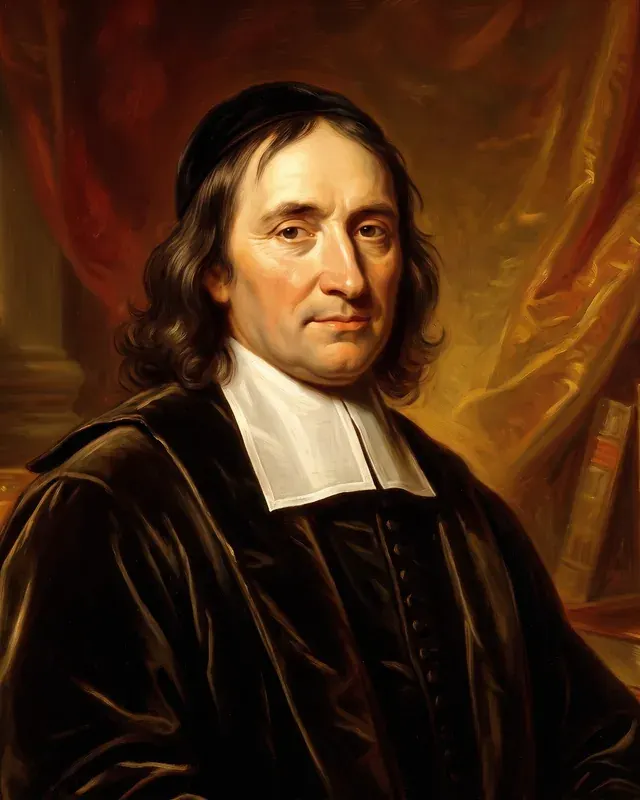
 Pieter Cornelis de Bevere
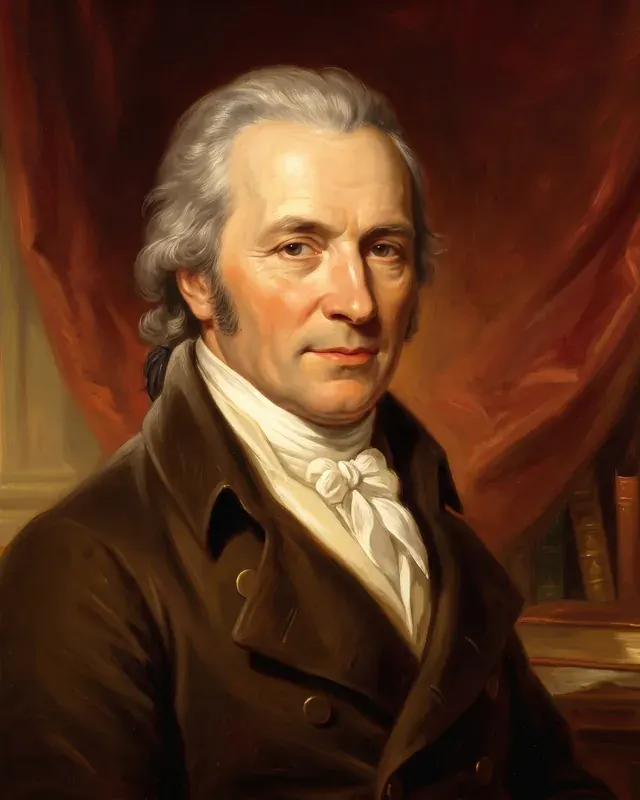
- Albrecht Herport
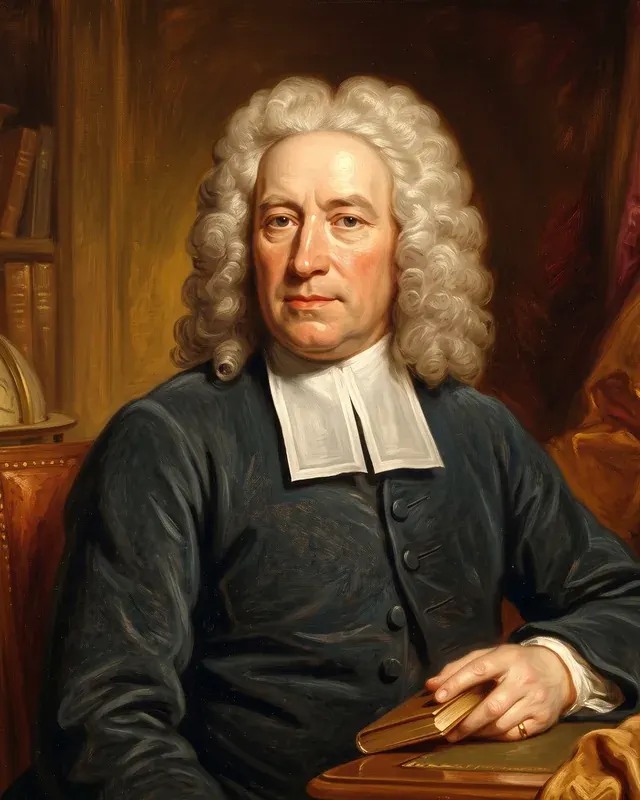
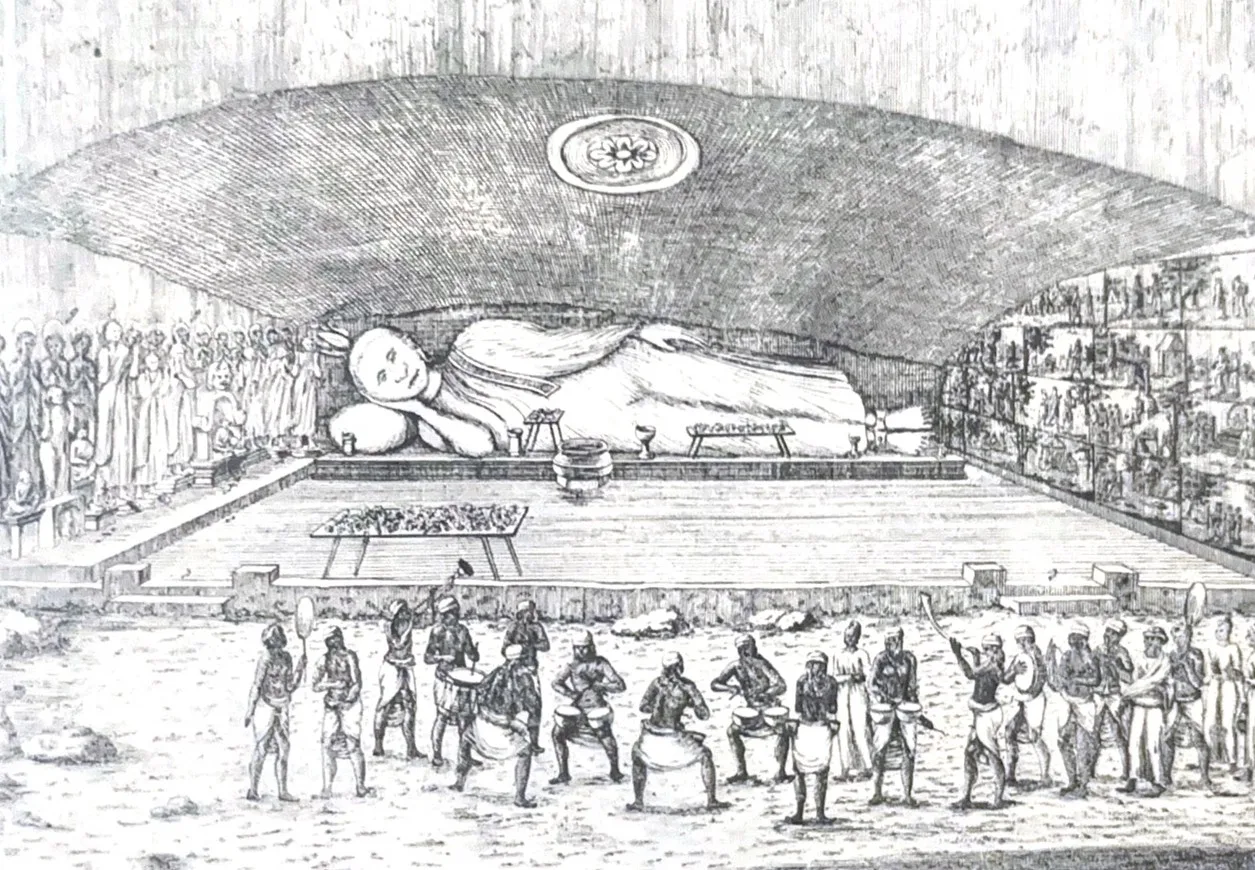 Arent Jansen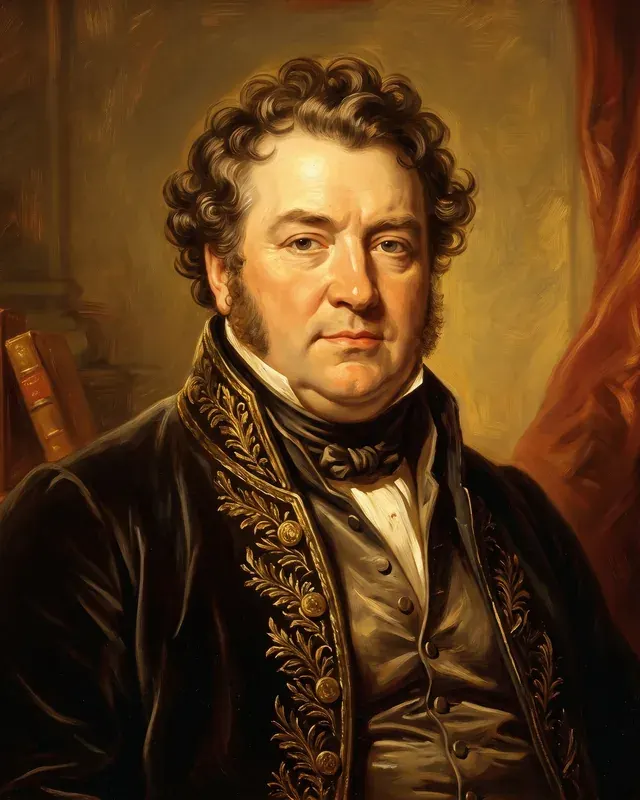
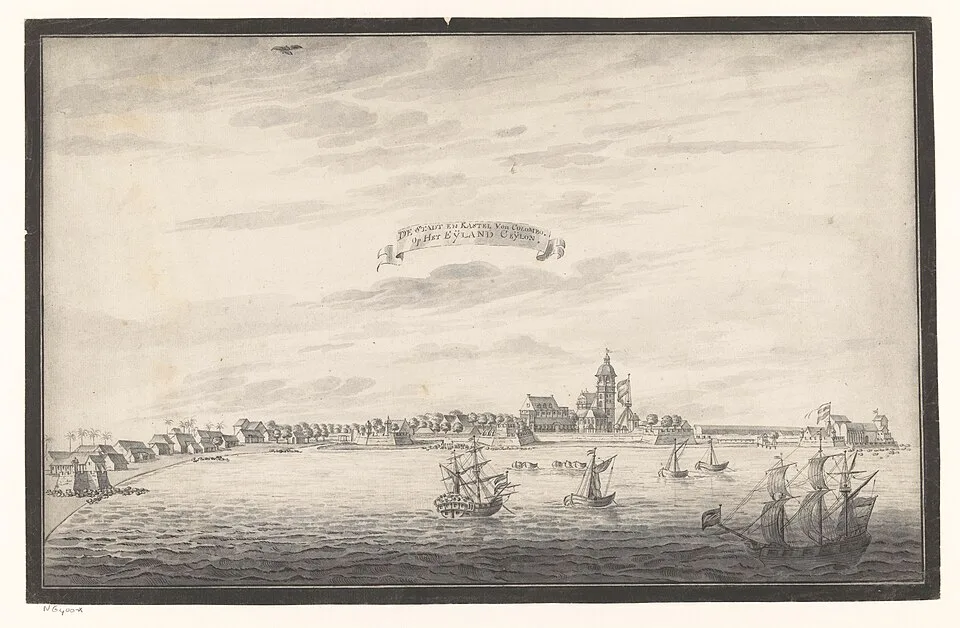 Johannes Rach
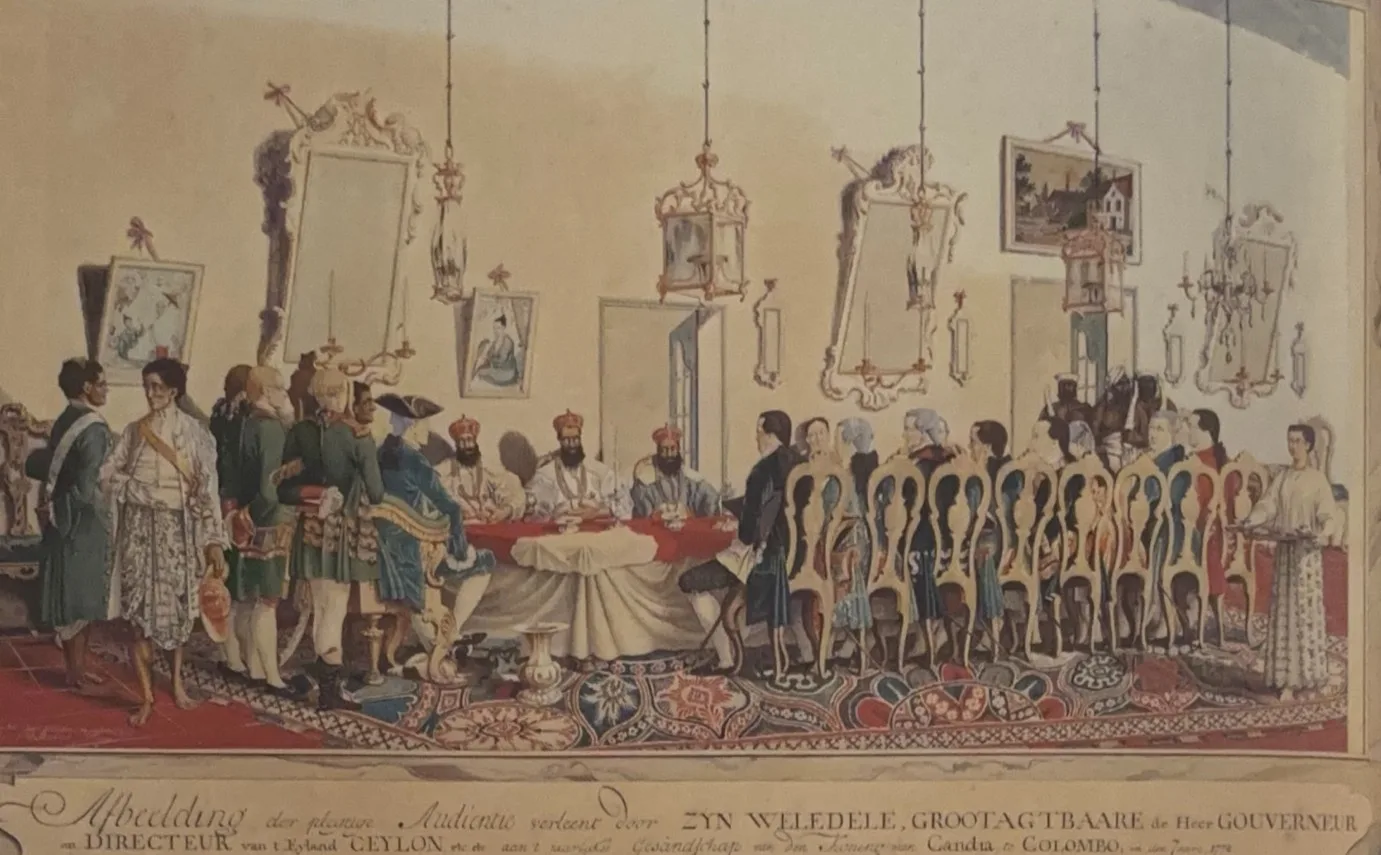 Carl Frederick Reimer
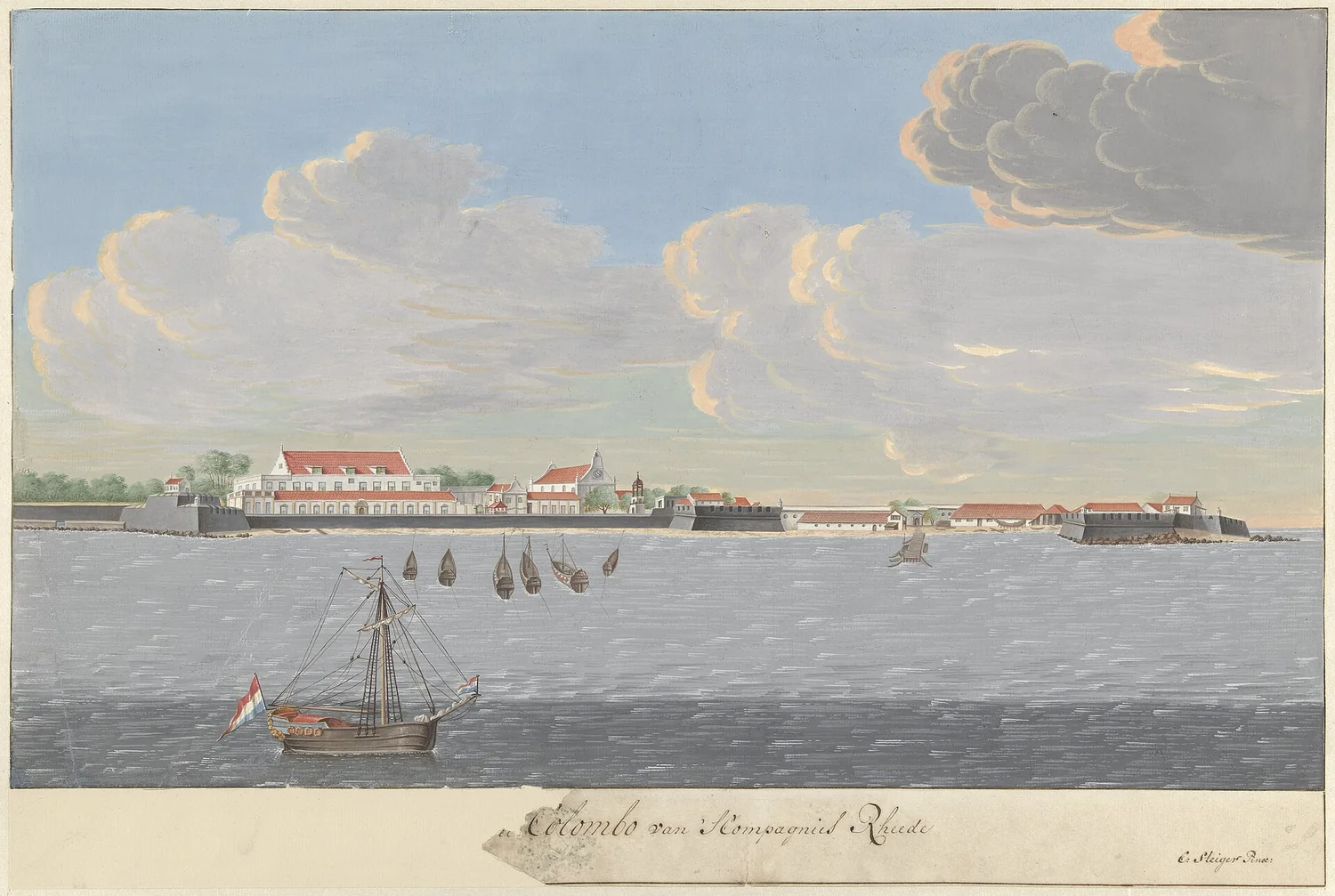 Cornelis Steiger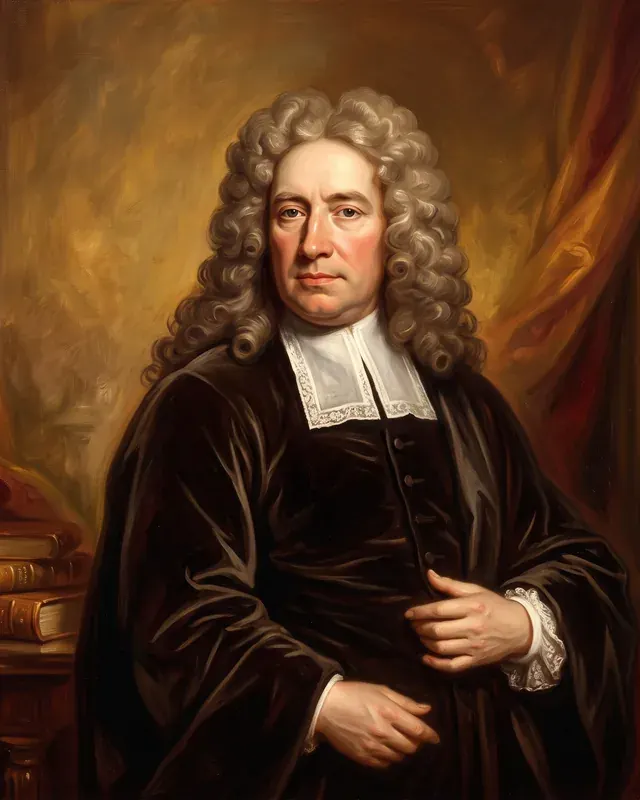
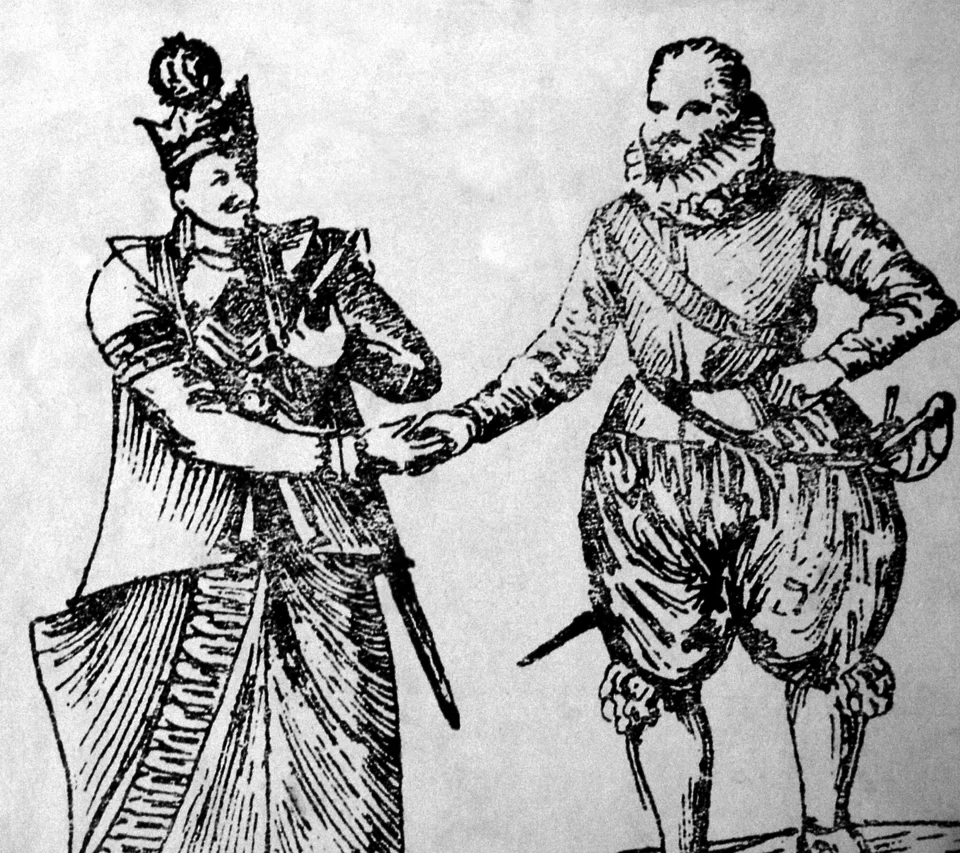 Cornelis Jansz Vennip
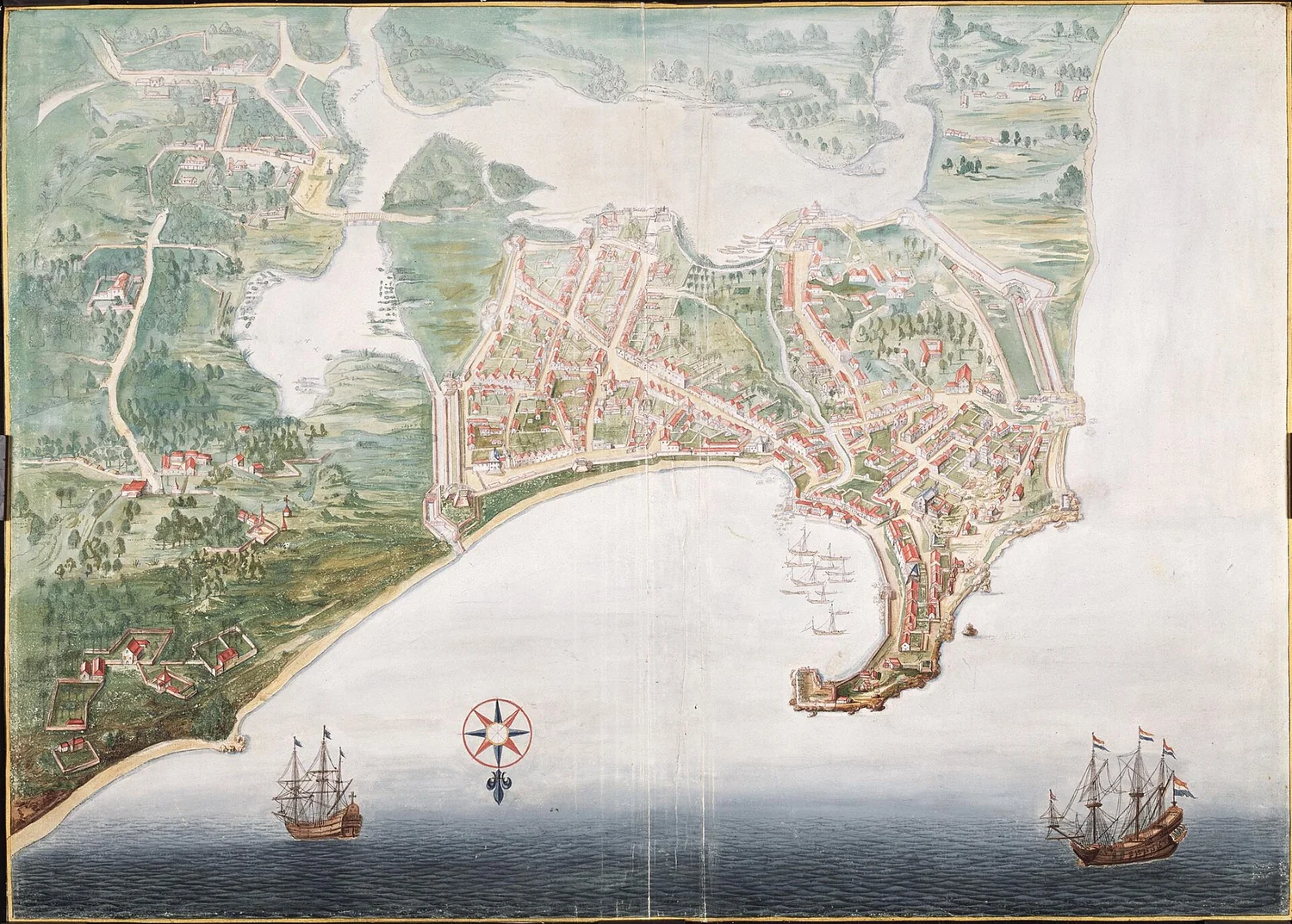 Johannes Vingboons
The British record
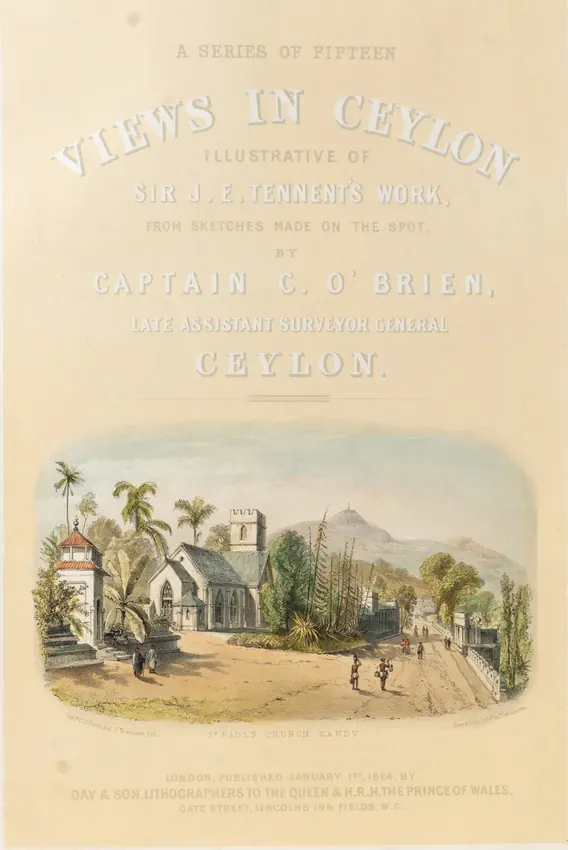
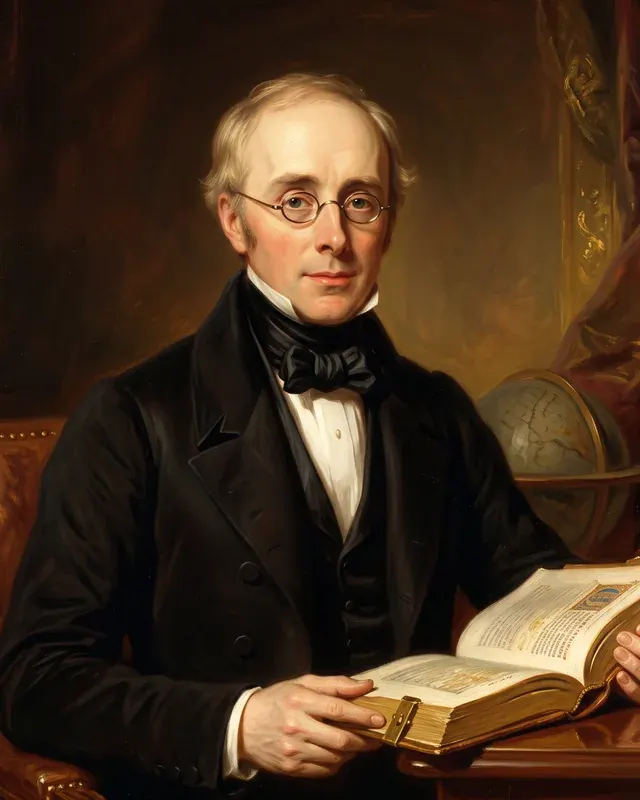
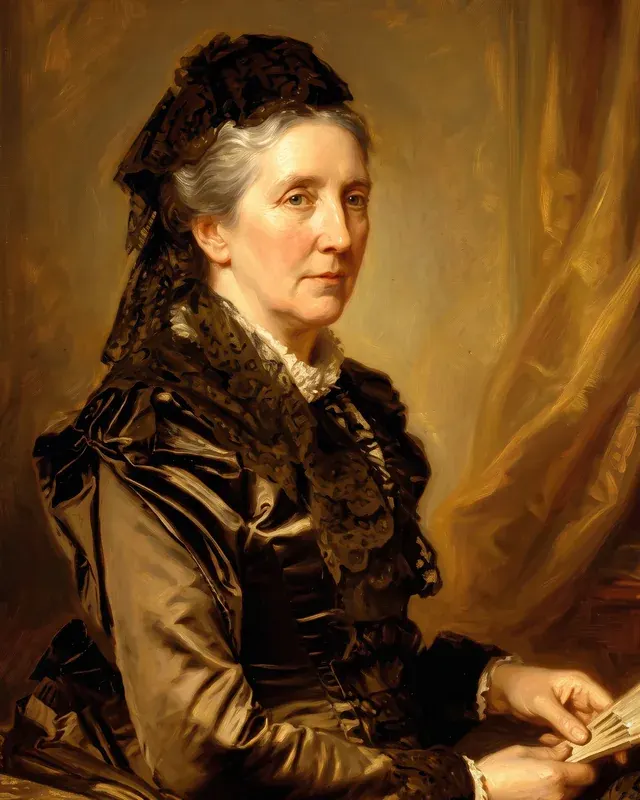
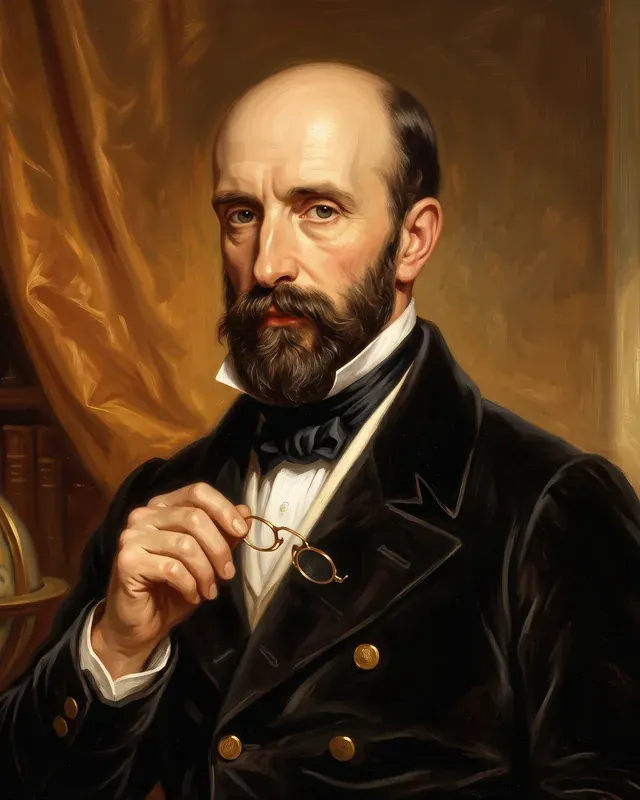
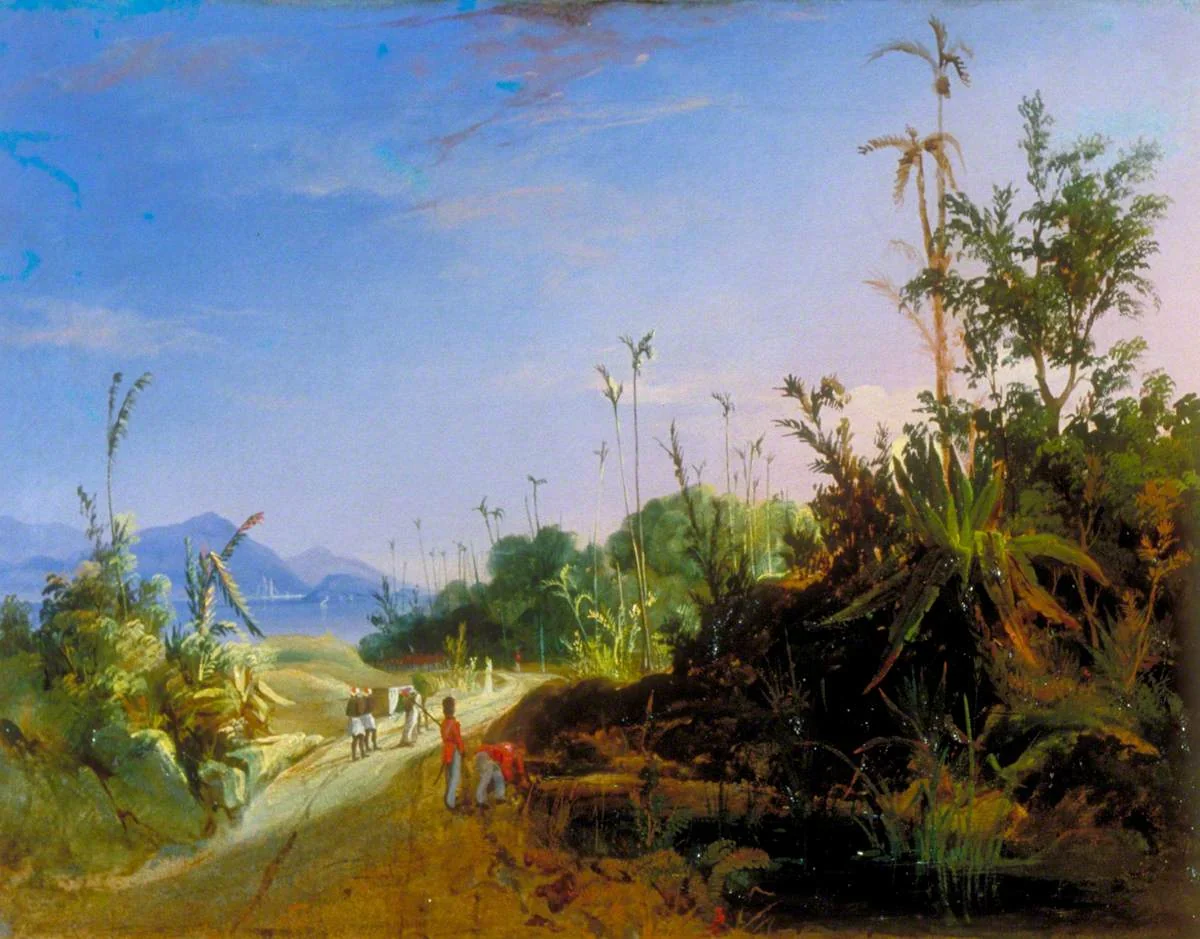
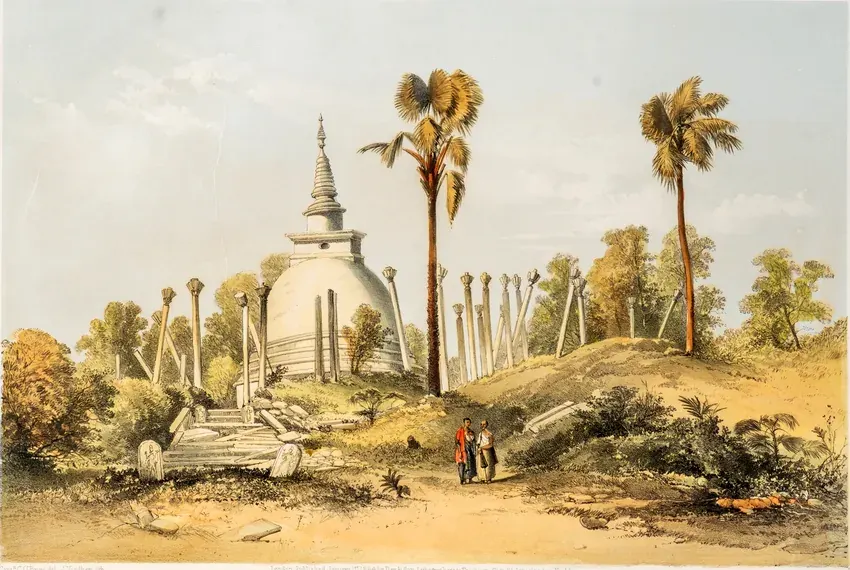
The British record opens with Robert Knox, whose engravings of his long Kandyan captivity were the earliest British images of the island, made more than a century before a trained artist observed it at first hand. After Britain took the maritime provinces from the Dutch in 1796, and the Kandyan interior fell in 1815, an island long closed to Europeans opened to the professional painter. The record that followed, beginning with the drawings of Henry Salt in 1802 and Samuel Daniell in 1805, was the work of soldiers and civil servants, professional painters, and women who travelled and worked alone in the interior, on to its full flowering in the late Victorian age.
 The British recordIntroduction to this part
 John Whitchurch Bennett
- Colombo Apothecaries Company
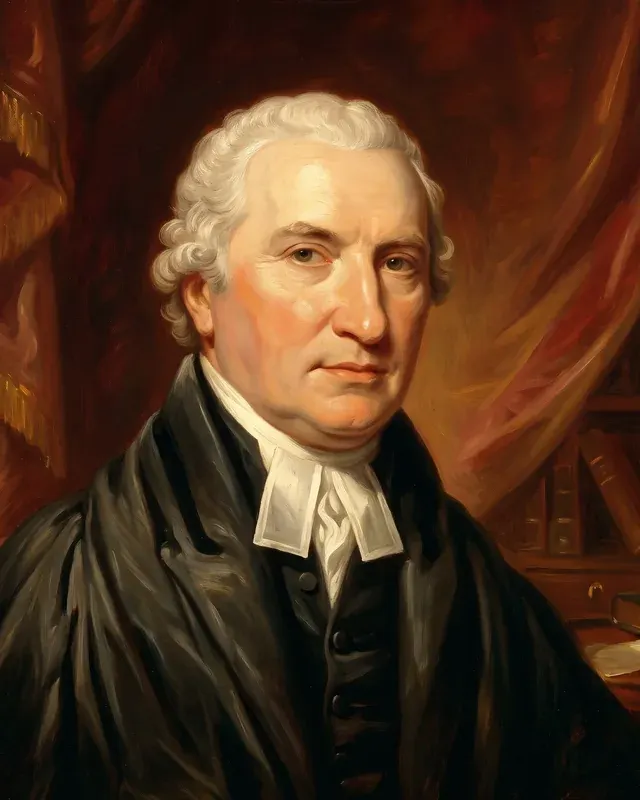
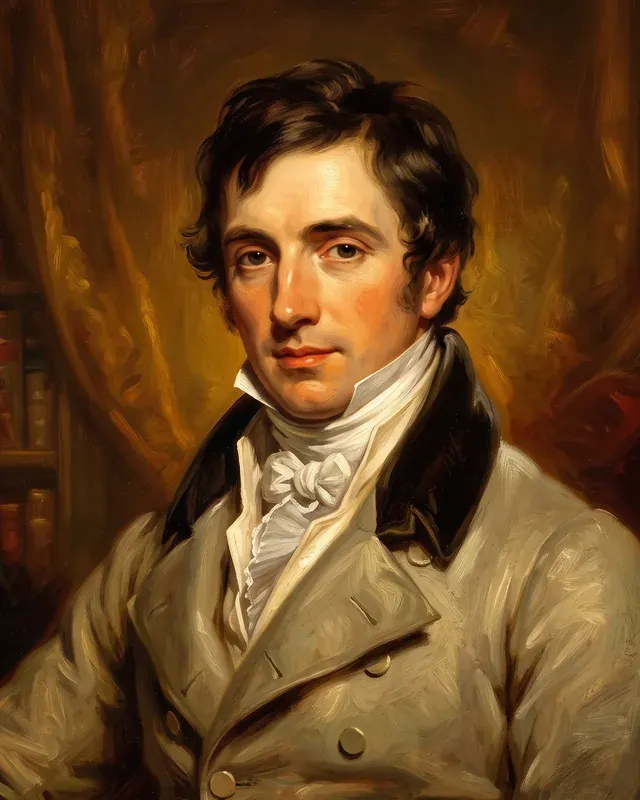
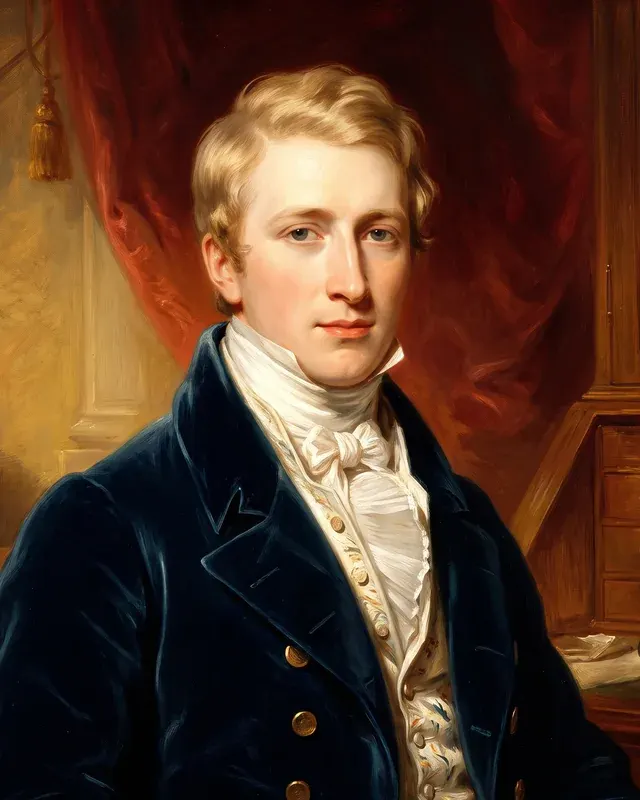
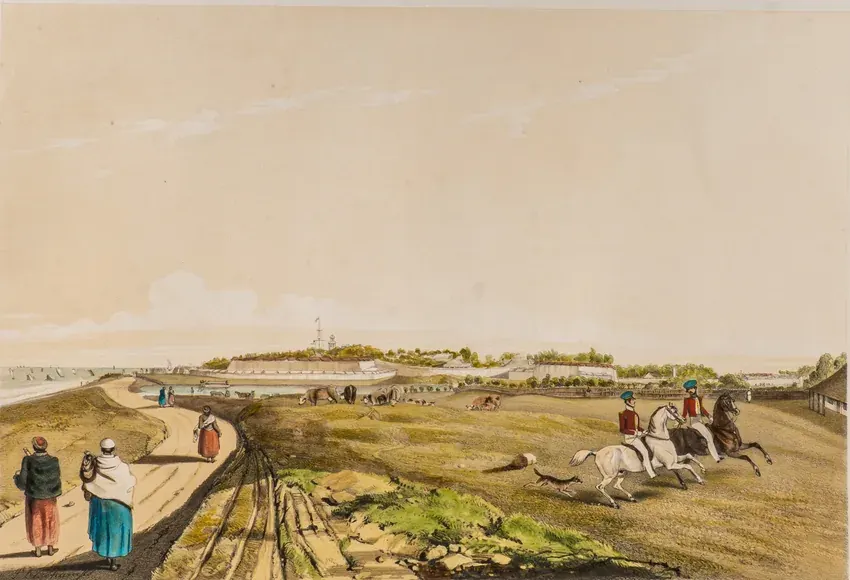
- Thomas Fraser
 James Miller Huggins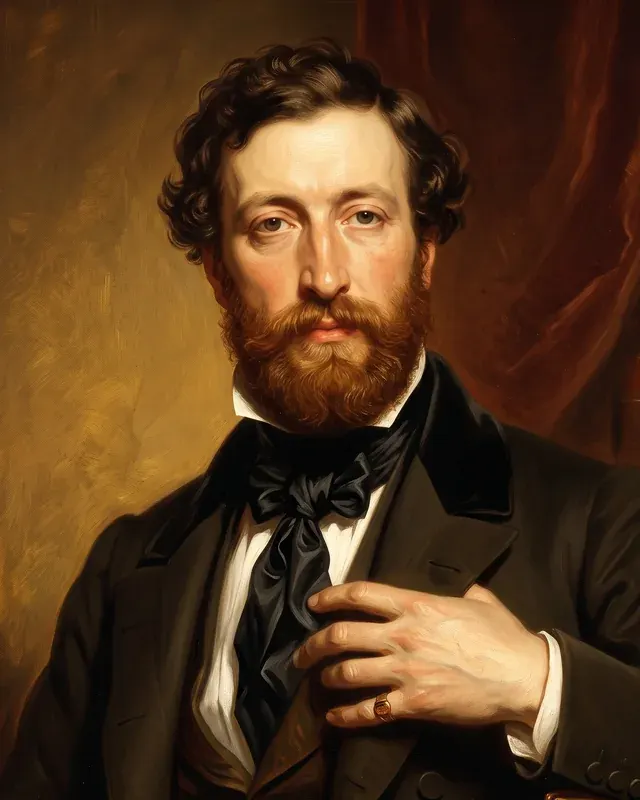
- Joseph Eudelin de Jonville
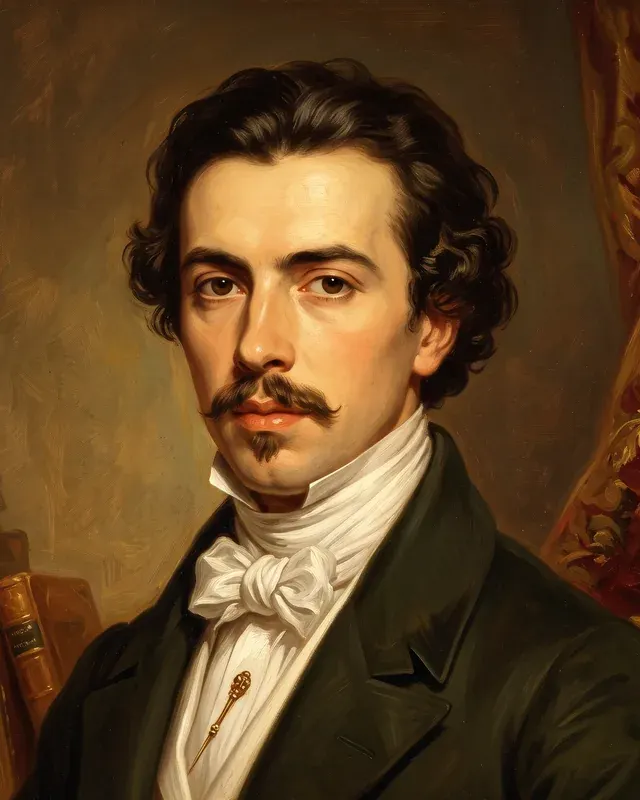
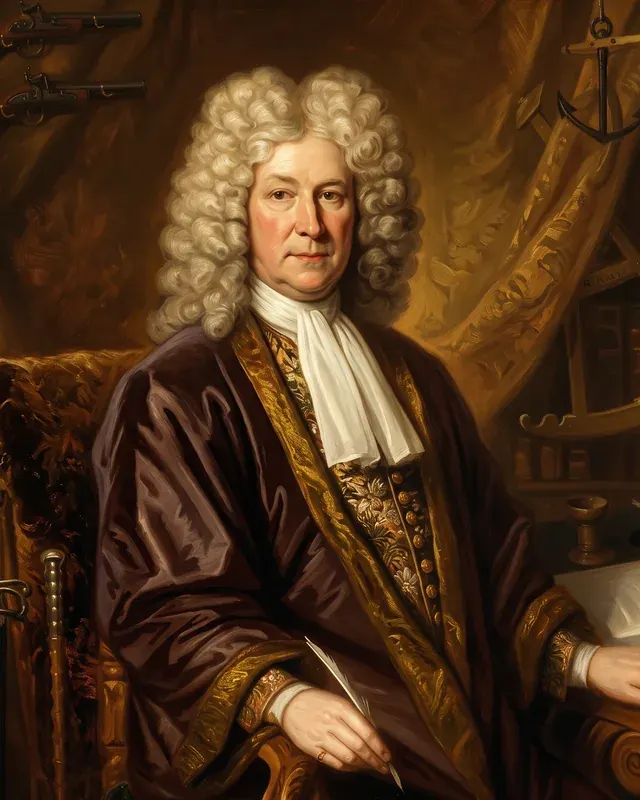
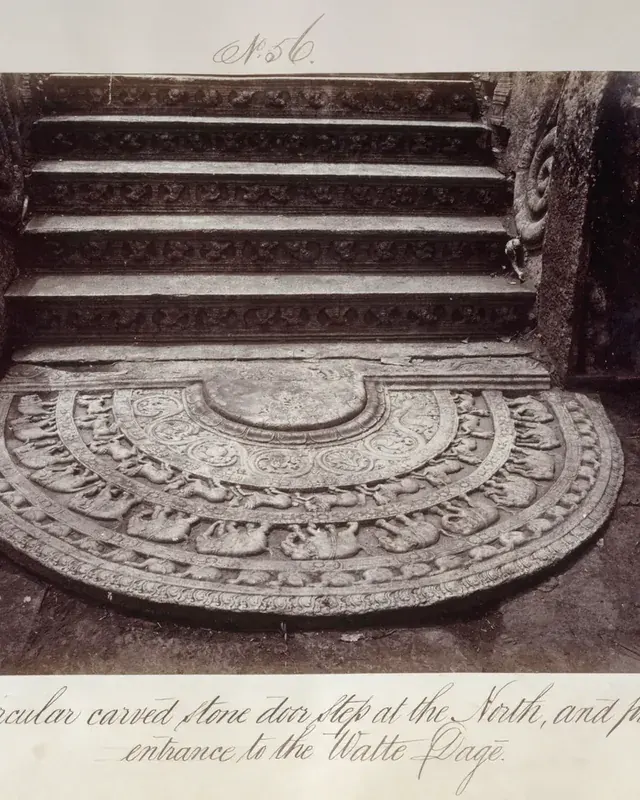
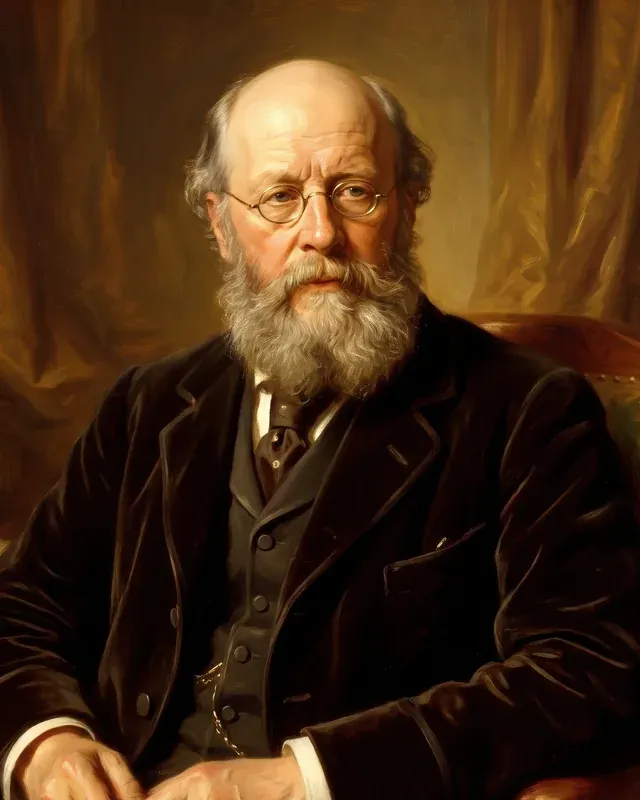
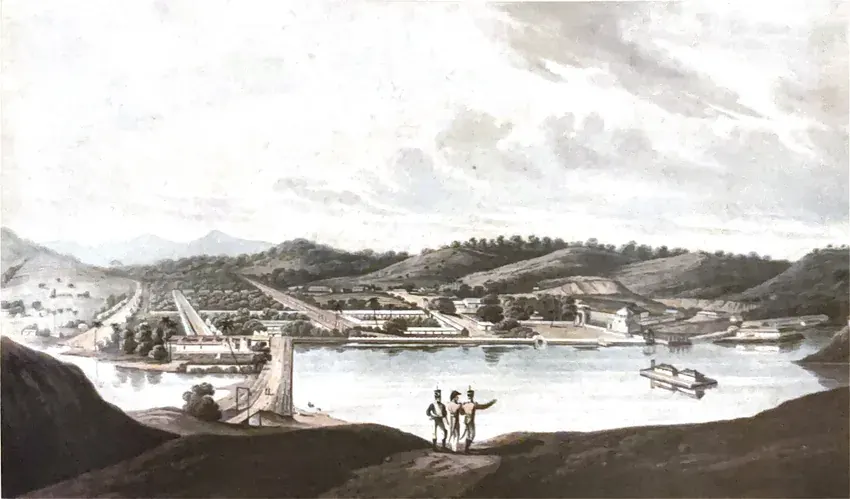
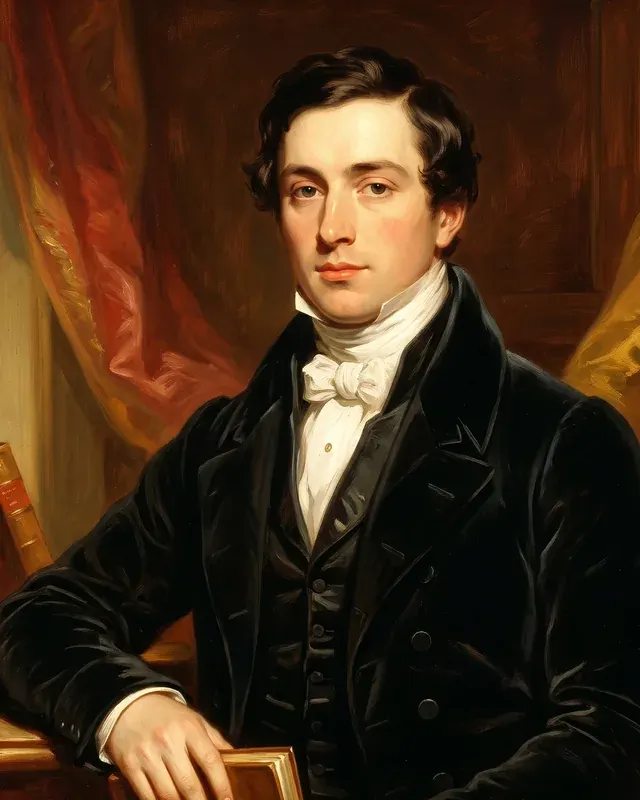
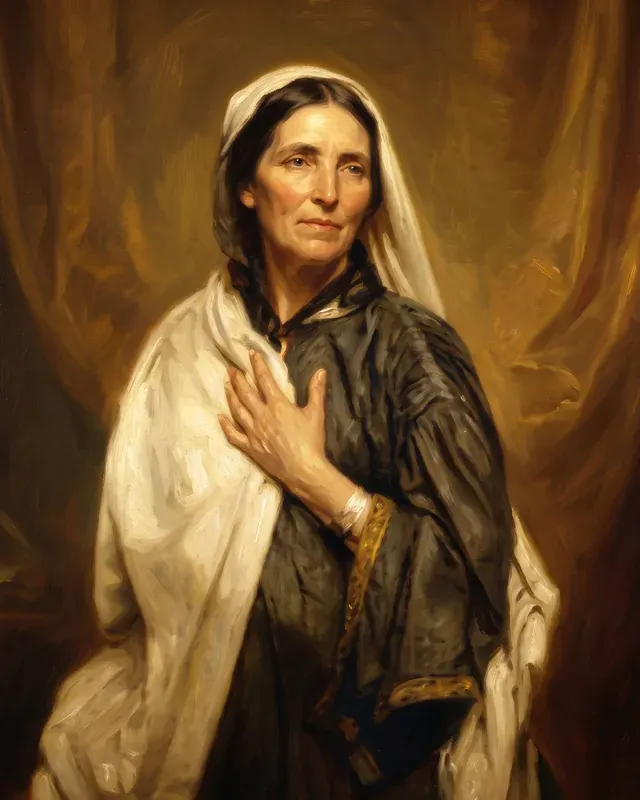
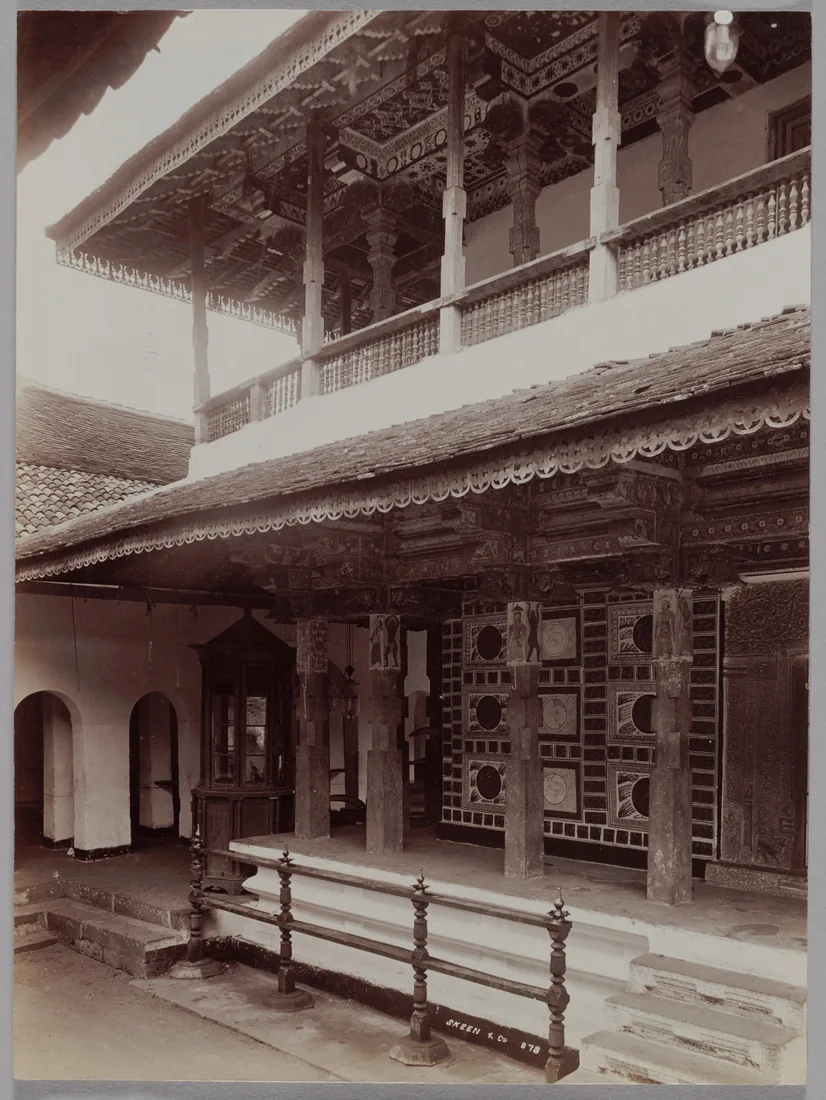 W. L. H. Skeen
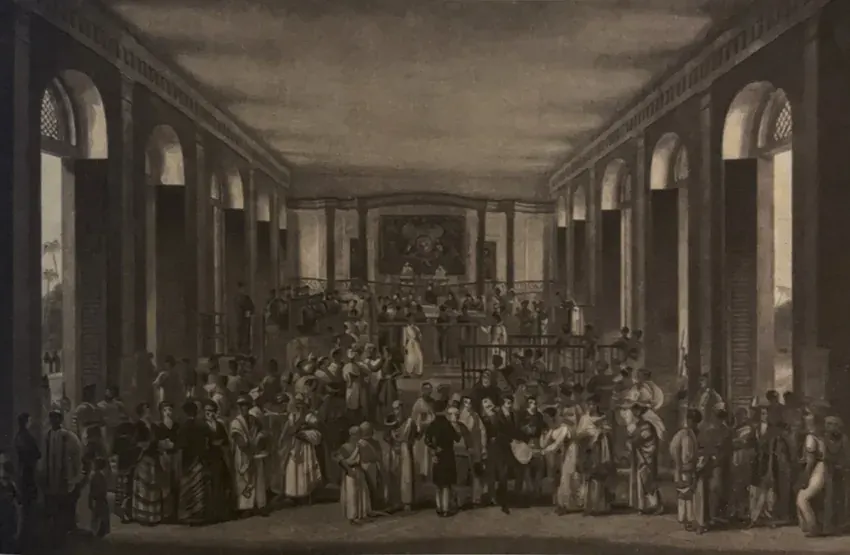
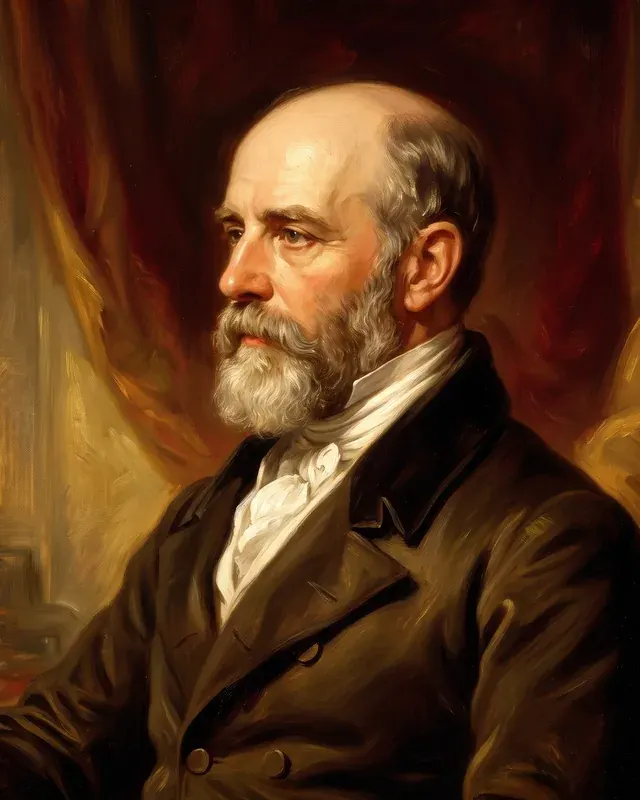
- John Varley the Younger
The island's own hand
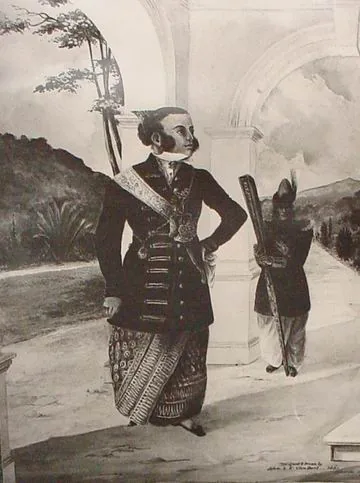
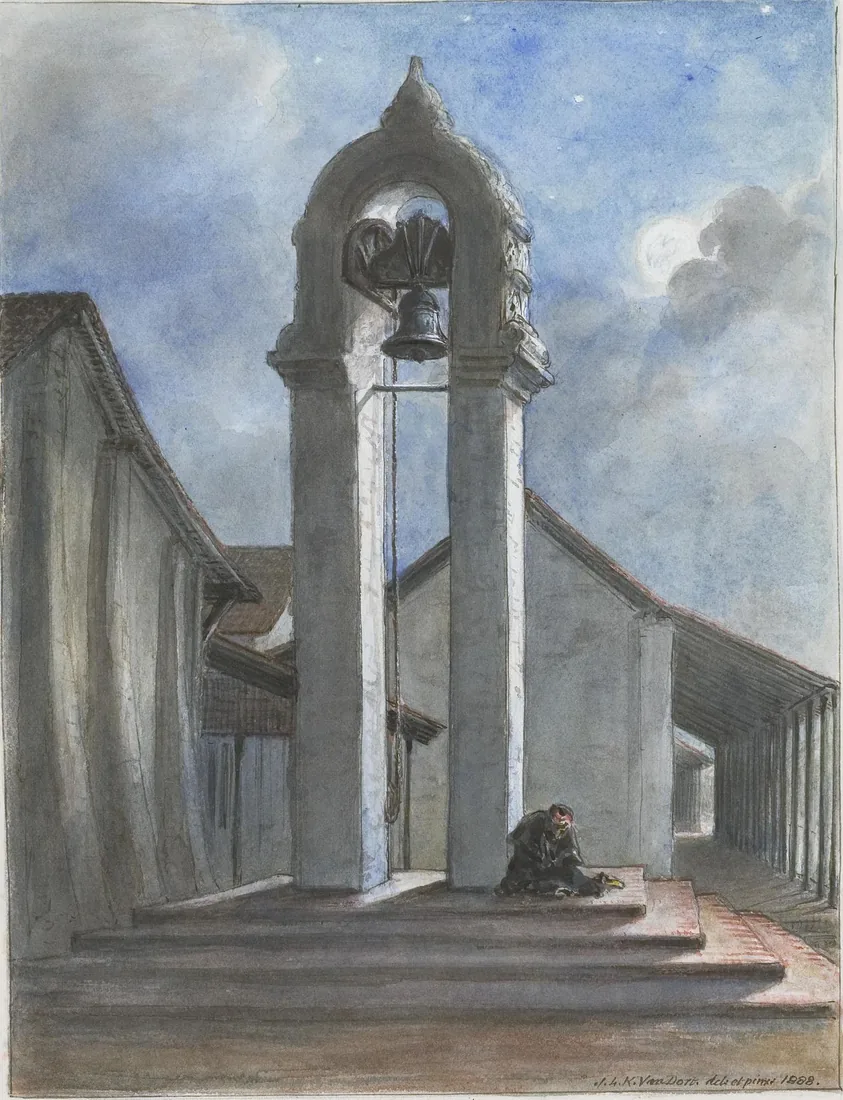
Beside the record made by visitors, the island had begun to picture itself. Its oldest hand was the temple painter; its newest, in the nineteenth century, was a secular one, Ceylonese-born and schooled in the European manner, that turned from the sacred wall to the daily life of the country: the natural-history draughtsmen of the Peradeniya gardens, and, above all, J.L.K. Van Dort, its foremost illustrator of everyday life.
Other nationalities
The record left by artists who came to Ceylon outside the service of either colonial power: a German naturalist, an Armenian painter of its ancient murals, and others who drew or painted the island each on their own account.